

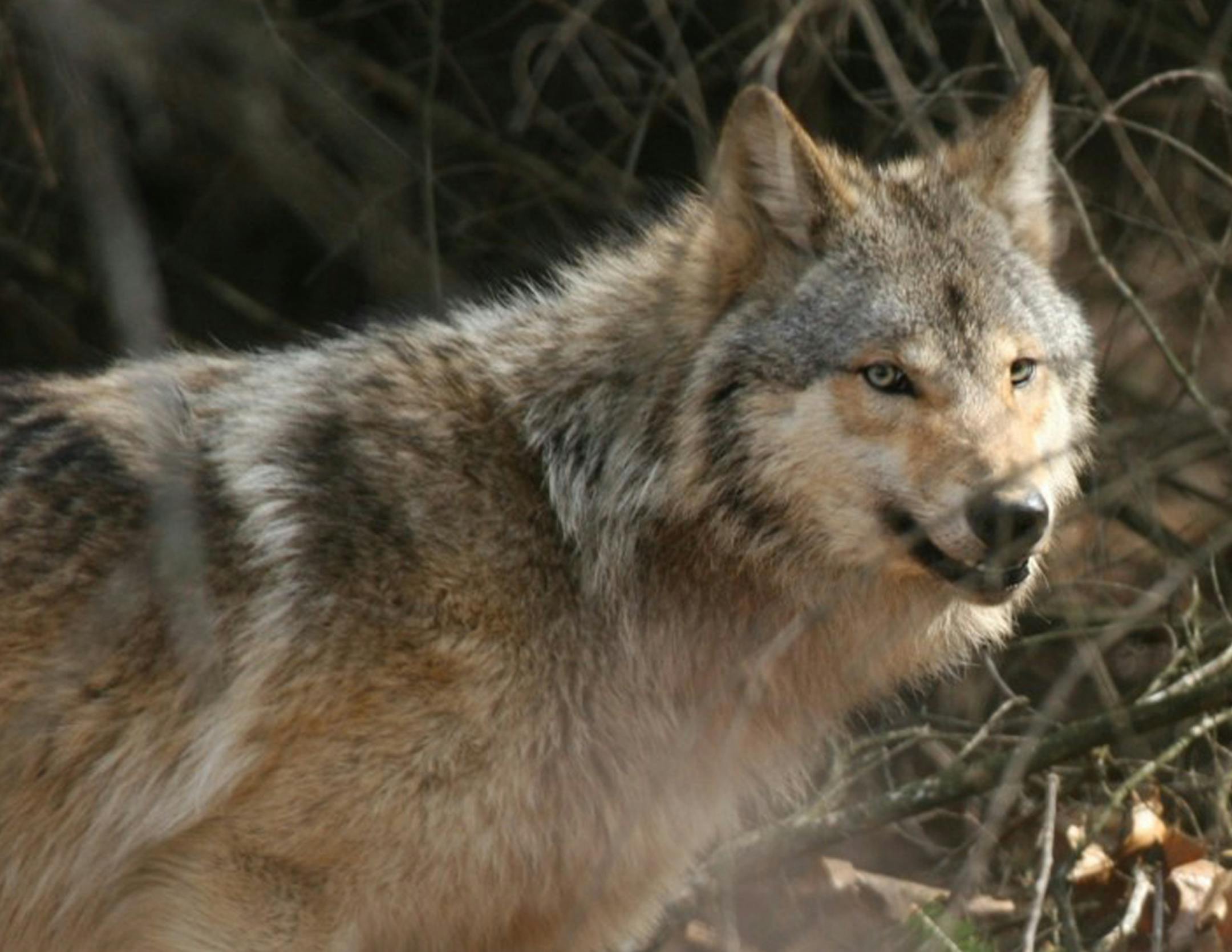
The wolves of Isle Royale may not be on the edge of extinction after all.
Of nine wolves left on the island in Lake Superior, about half are female, according to new DNA analysis of their scat. That's considerably more than the one or two that researchers had believed — a gender imbalance that they theorized could be driving a decline in the population of the famous wolves.
For the moment, National Park Service officials say, the unexpected findings will give them some breathing room to decide whether to embark on a precedent-setting "genetic rescue" of the wolves. That would involve artificially introducing one or more new wolves to the island. That decision to interfere with nature would have far-reaching implications for wildlife management at other national parks as well.While one leading wolf researcher hailed the DNA results as great news, they also raise questions about the family relationships and behavior of wolves — especially these, the longest and most intensely studied of any in the country.
In effect, their problem may be the equivalent of an incest taboo. The wolves, which migrated to the island in the 1950s when an unknown number crossed the frozen lake, are now largely descended from just two animals.
"We are not seeing the courtship behavior that we would expect," said Rolf Peterson, a biologist at Michigan Technilogical University who has tracked the wolf and moose dynamics on the island for decades. "That indicates they are avoiding breeding with close relatives."As far as the researchers could tell, last year there were no pups born on the island — the first time that's happened since 1971, Peterson said. Last year they counted just nine wolves left, the lowest number ever recorded. In the summer, they discovered the carcasses of three that had fallen into an abandoned mine pit and drowned.
However, several of the female wolves are young, born after 2011, and wolves usually don't start mating until they are at least 2 years old. It's possible that as early as this spring they could start reproducing, said Dave Mech, a wolf biologist with the U.S. Geological Survey.
"I've been telling people not to panic," Mech said.
The Isle Royale wolves have always been closely related, he added, and that has not stopped their reproduction before.


