3:53
3:53On Monday, many Minnesota students start the school year. The back-to-school season often means a return to stories about students' lives. When the subject is teen girls, the framing of these stories — by both the media and society — often follows a familiar pattern. In fact, the pattern is at least a century old, according to a provocative new book, "From the Dance Hall to Facebook: Teen Girls, Mass Media, and Moral Panic in the United States, 1905-2010."
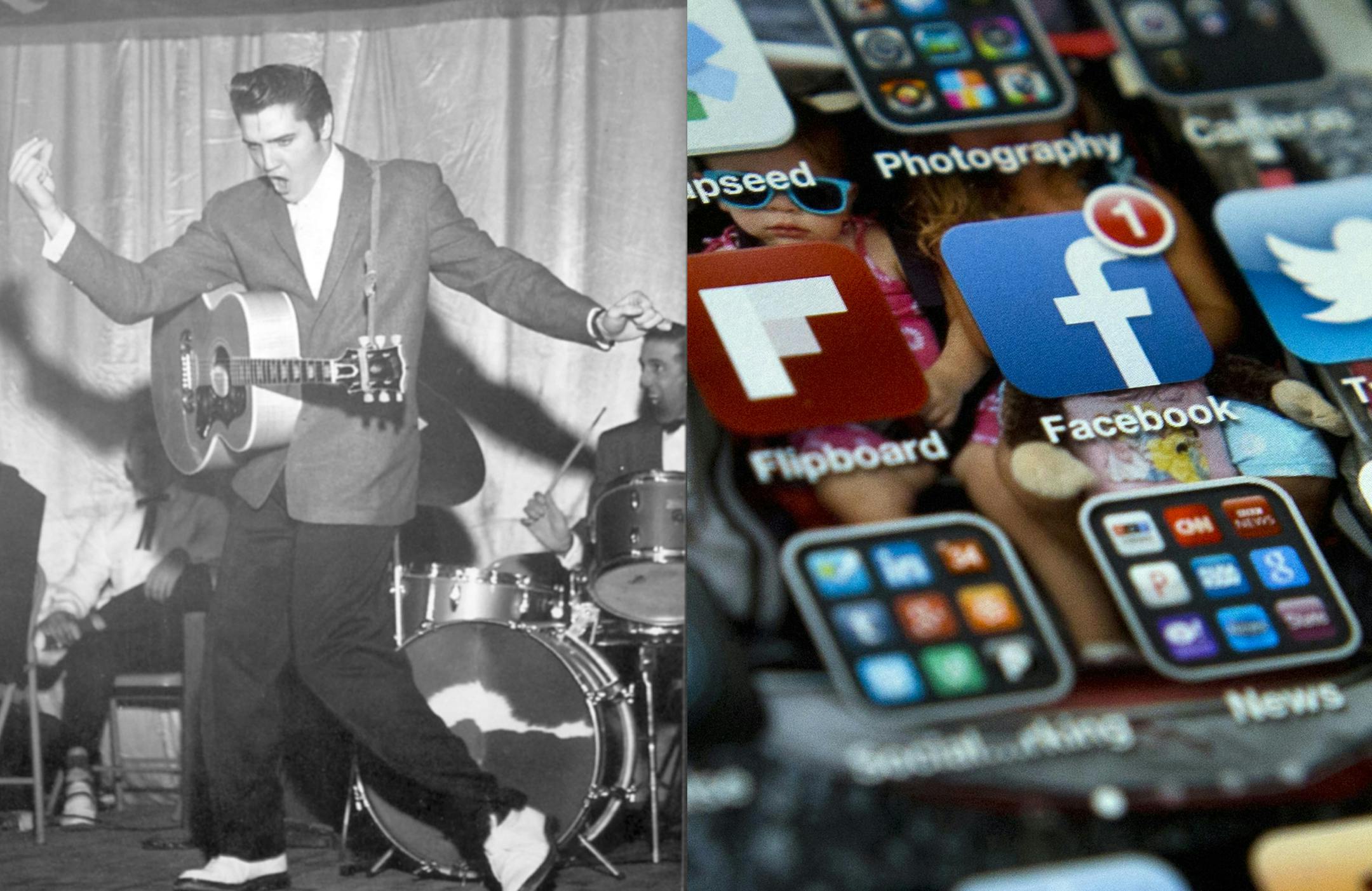
The book examines five flash points — dance halls from 1905 to 1928, a spike in track and field and other "sports of strife" from 1920 to 1940, the late '50s Elvis Presley pop-culture phenomenon, the counterculture of punk rock from 1976 to 1986, and the rise of social media from 2004 to 2010. Analyzing the societal response and media coverage, the book argues that recycled narratives about teen girls have depicted the cohort in a "gendered, exaggerated crisis that depends on certain journalistic devices, and in many cases, the advocacy of experts and authorities whose personal agenda (whether rooted in religion, ethics, politics, economics, personal duty, or occupation) relies on the preservation of the crisis or its elevation to panic."
The authority figures wagging fingers (or "moral entrepreneurs") were originally social progressives, the book's author, Shayla Thiel-Stern, said in an interview. Stern, an associate professor of journalism and mass communications at the University of Minnesota, added that "they were people who took it upon themselves to 'better society.' "
In some cases, they used the press. In others, they were used by the press. "They sold papers, but on the other hand got their message out," Thiel-Stern said.
Many of the accounts in papers, and later other media, of yesteryears' teen girls can now sound hysterical (and funny).
Dance halls, for instance, where working-class girls and young women went to have fun, were often deemed "evil." And active athletics "should not make them [teen girls] appear masculine, nor should it risk their ability to reproduce in the future."
As for pop music, Elvis' female fans rocked postwar conventions of femininity, and punk rock shocked society, particularly when teen girls took part (or dressed the part).
Patriarchy and class structure undergirded each era, Thiel-Stern said.