
FDA rejects petition to ban BPA

What does the science really say about the chemical?

March 31, 2012 at 4:01AM
(The Minnesota Star Tribune)

The Food and Drug Administration rejected a petition from environmentalists that would have banned the hotly debated plastic-hardening chemical bisphenol-A from all food and drink packaging, including plastic bottles and canned food. The agency said that petitioners from the Natural Resources Defense Council did not present compelling scientific evidence to justify new restrictions on the much-debated chemical, commonly known as BPA, though federal scientists continue to study the issue. Some scientists believe exposure to BPA can harm the reproductive and nervous systems, particularly in babies and small children, potentially leading to cancer and other diseases. What does the science really say? The Los Angeles Times examines the issue.
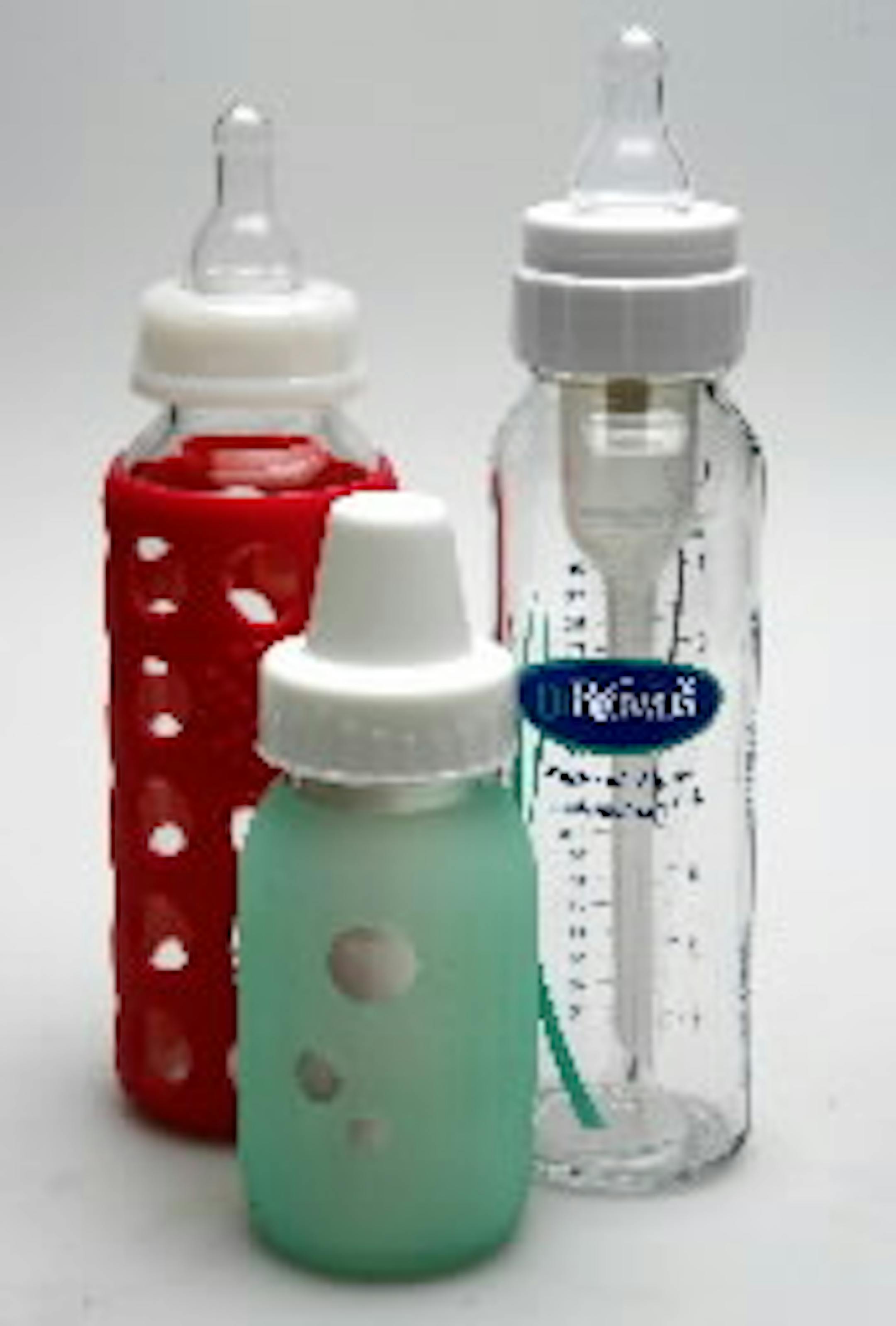
Many parents and stores are ditching baby products that contain the chemical bisphenol-A for alternatives, such as these glass bottles.
Many parents and stores are ditching baby products that contain the chemical bisphenol-A for alternatives, such as these glass bottles. (The Minnesota Star Tribune)
about the writer

about the writer

Courtnay Peifer

Nation/World Editor

Courtnay Peifer is a national editor with a focus on managing the copy desk, national/world wire stories, Science + Health Sunday section, copy editing enterprise and projects for print and digital platforms. 

See Moreicon

More from No Section

See More
FILE -- A rent deposit slot at an apartment complex in Tucker, Ga., on July 21, 2020. As an eviction crisis has seemed increasingly likely this summer, everyone in the housing market has made the same plea to Washington: Send money — lots of it — that would keep renters in their homes and landlords afloat. (Melissa Golden/The New York Times) ORG XMIT: XNYT58
Melissa Golden/The New York Times

It’s too soon to tell how much the immigration crackdown is to blame.