
FDA inspectors back U prof who blew whistle

U's Leigh Turner sought federal inquiry into Texas stem-cell firm.

June 27, 2012 at 2:28PM
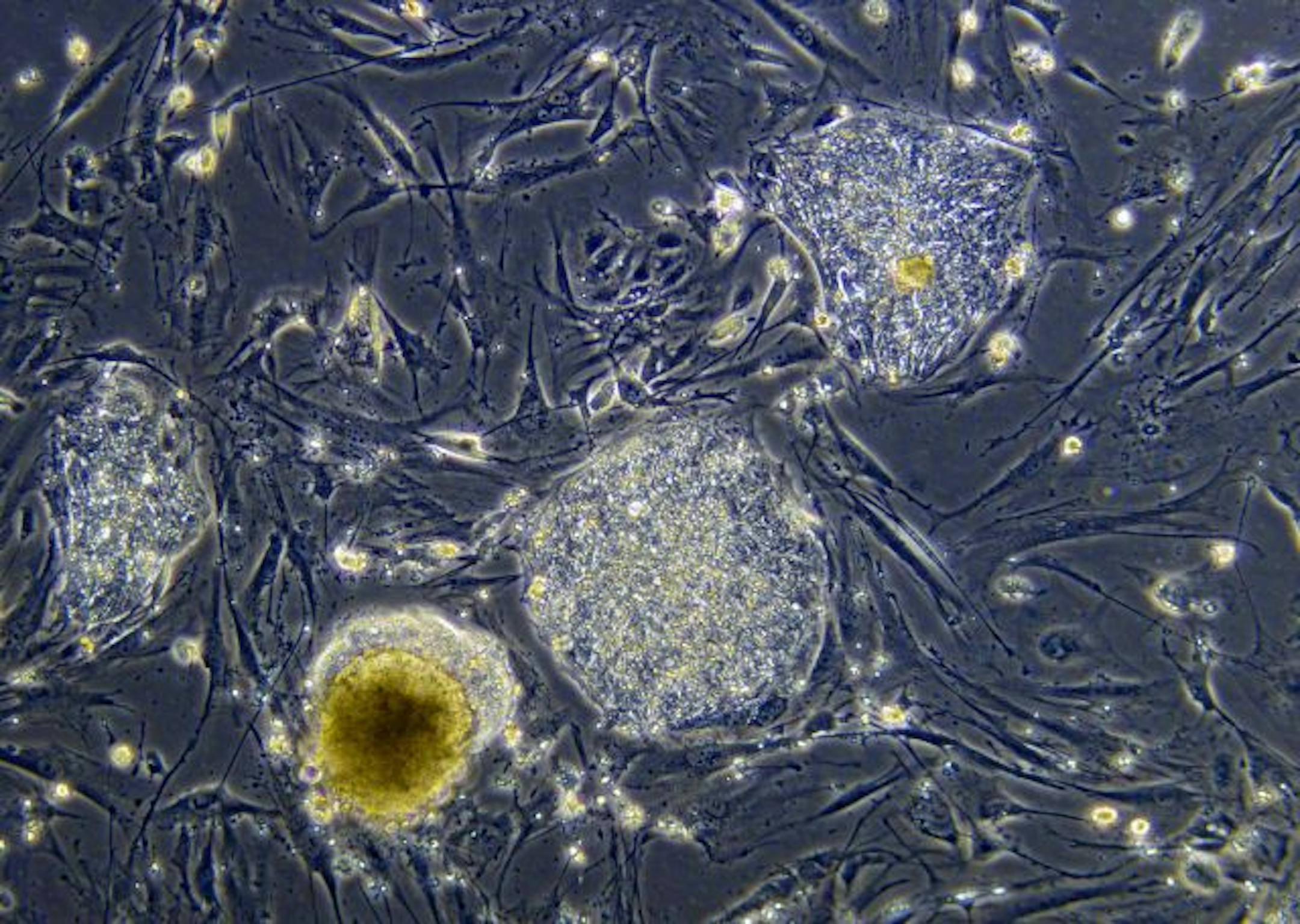
Microscopic 10x view of a colony of undifferentiated human embryonic stems cells being studied in developmental biologist James Thomson's research lab. The embryonic stem cell colonies are the rounded, dense masses of cells. The flat, elongated cells in between the embryonic stem cell colonies are fibroblasts that are used as a "feeder layer" on which the embryonic stem cells are grown. UW-Madison University Communications 608/262-0067 Photo by: University of Wisconsin-Madison Date: 08/01 File#:
Microscopic 10x view of a colony of undifferentiated human embryonic stems cells. (Star Tribune/The Minnesota Star Tribune)

Three months ago, Leigh Turner got into hot water by asking the U.S. Food and Drug Administration to investigate a Texas stem-cell company.

Today, the University of Minnesota medical ethicist is feeling somewhat vindicated.

FDA inspectors found that the company, Celltex Therapeutics, had dozens of safety violations at its facility in Sugarland, Texas, and couldn't even ensure that the stem cells were alive when used to treat patients.

The company's best-known patient is Texas Gov. Rick Perry, who received stem-cell injections last summer for back pain.

"To me, the findings are really important because it says a great deal, I think, about Celltex as an operation," said Turner, an associate professor at the university's Center for Bioethics.

Celltex did not respond to a request for comment, but its CEO, David Eller, issued a statement to the Houston Chronicle, saying it had "resolved many" of the FDA's concerns.

Turner started tussling with the company in February, when he asked the FDA to investigate whether Celltex was selling an unproven -- and unapproved -- treatment.

The company takes stem cells from patients with multiple sclerosis, Parkinson's disease and other conditions, and modifies the cells in its lab. The treatment, administered by a doctor, reportedly costs $25,000 or more.

In March, Celltex accused Turner of making false allegations to the FDA. In a letter to U President Eric Kaler, it demanded to know if his actions were "authorized by the university." Then the incident hit the Internet, fueled with speculation that Celltex was trying to silence critics.

The university defended Turner, saying he was protected by academic freedom.

Turner said this week that he's not sure if he triggered the FDA inspection, which took place in April. It stopped short of addressing his central concern: whether Celltex has been violating federal law by selling the treatment without FDA approval. The FDA report (available at www.startribune.com/a1437), which he obtained through the Freedom of Information Act, lists nine pages of violations. They include failing to protect stem cells and equipment from contamination; missing records; and processing stem cells with products labeled "for research purposes only."

Turner said he does not know if the FDA intends further action.

Maura Lerner • 612-673-7384

about the writer

about the writer

Maura Lerner

See Moreicon

More from No Section

See More
FILE -- A rent deposit slot at an apartment complex in Tucker, Ga., on July 21, 2020. As an eviction crisis has seemed increasingly likely this summer, everyone in the housing market has made the same plea to Washington: Send money — lots of it — that would keep renters in their homes and landlords afloat. (Melissa Golden/The New York Times) ORG XMIT: XNYT58
Melissa Golden/The New York Times

It’s too soon to tell how much the immigration crackdown is to blame.