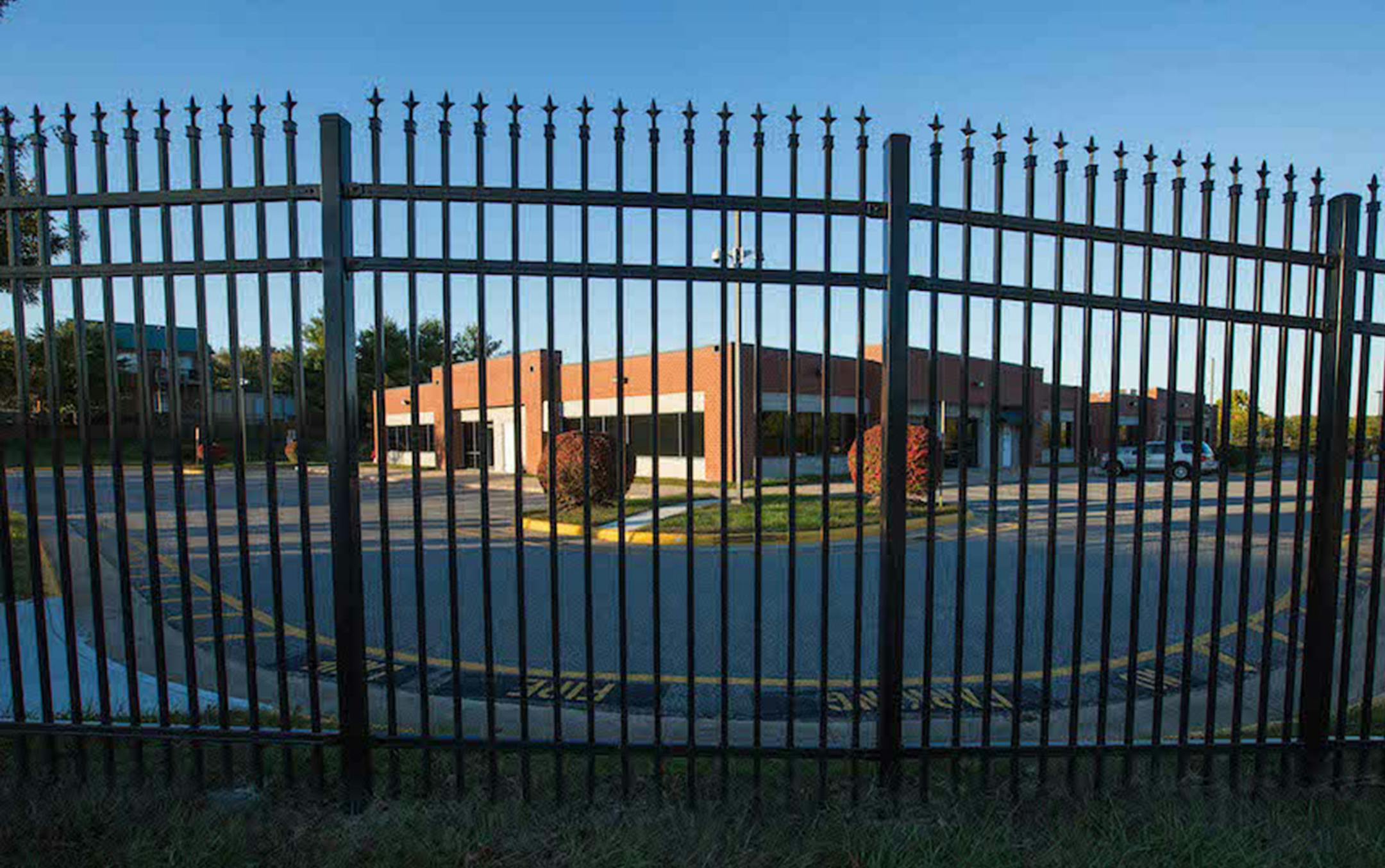
WASHINGTON – Nestled against townhouses and beside a busy 7-Eleven in Fredericksburg, Va., the emerging front lines in the FBI's war on "going dark" are quietly taking shape.
There are no signs identifying the National Domestic Communications Assistance Center (NDCAC). Tall black gates surround the heavily secured structure. Dozens of cameras watch over the space outside. The entrance has no windows, and visitors must check cellphones in lockers.
The facility opened in March 2013 to help the 18,000 federal, state and local law enforcement agencies across the U.S. investigate crimes as more and more evidence is buried in suspects' digital devices or stored in technology companies' computers. That mission soon encountered new hurdles for law enforcement when three months later Edward Snowden revealed the National Security Agency was collecting bulk data about Americans, without a warrant.
After the revelations, tech companies such as Apple and Google introduced new security measures on their cellphone operating systems that allow only people who know the user's password to unlock the phone and view its contents. The companies themselves claim they no longer have the ability to do so, and the technology they created now prohibits access to encrypted information during criminal investigations — even when there's a search warrant.
As a result, police say their legal efforts to investigate serious crimes of pressing public interest are being undermined, so finding other ways to track criminal suspects has become even more important. That's where NDCAC comes in.
"If those smartphones are made inaccessible to law enforcement, despite having a warrant, then we no longer have the ability to get" incriminating evidence, said Amy Hess, assistant FBI director of science and technology.
Calls by the FBI for police to have special access to unlock encrypted evidence have been rejected by lawmakers. FBI Director James Comey said that the White House doesn't support a change.
He pledged, however, that his agency would pursue "technological and other methods" to keep up with criminals. Much of the work will be at the NDCAC.