

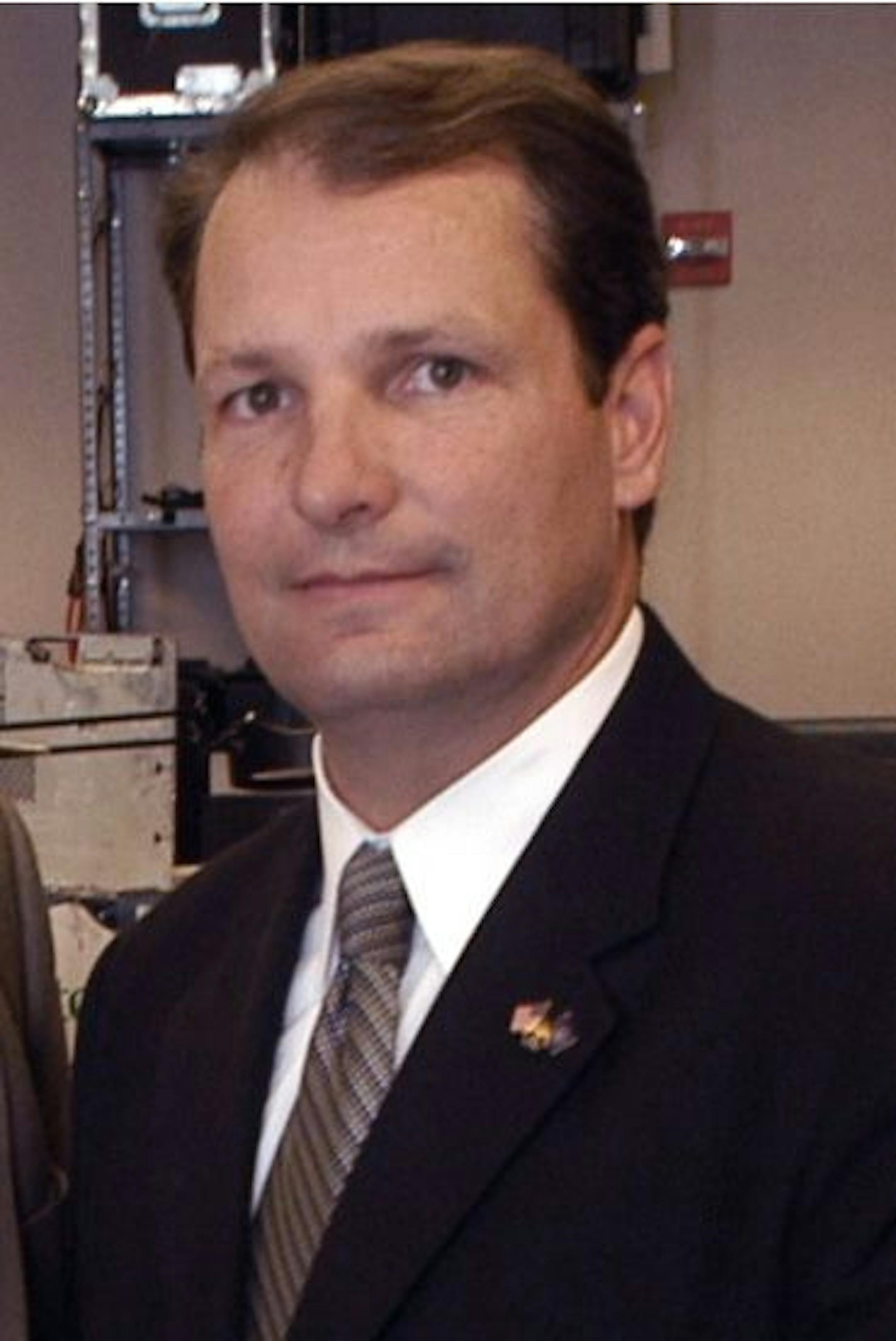
Several years ago, I finally persuaded FBI agent Paul McCabe to meet me for a beer. Another reporter and I arrived at Runyon's in Minneapolis first. A few minutes later, McCabe showed up and shook our hands. Then he stood uncomfortably for a couple of minutes until we asked him to sit down.
"Uh, can I sit where you are sitting?" he asked.
It took me a moment to realize why: McCabe never sits with his back to the door.
It's a logical instinct for someone who has gone undercover to catch dangerous criminals, chased serial sex offenders, supervised investigations into terrorism and responded to school massacres. McCabe has learned there are a lot of bad guys out there, plenty of whom don't like him much, and he wants to see them first.
Since McCabe arrived in Minneapolis in 1990, he has led or supervised some of the state's biggest criminal investigations, and his several-year stint as the media contact made him the face of an agency that previously preferred to be faceless and often worked in the shadows.
Yet McCabe has declined reporters' attempts to profile him, always saying he doesn't feel it's fair to be the focus of an article when he's surrounded by agents just as diligent as he is. McCabe is leaving for a special assignment after 21 years in Minnesota, and while he again declined to sit down with me, he agreed to let me tell the story he told me off the record many years ago. I also found more than a few fans.
What many don't know is that McCabe almost never came to be an FBI agent in Minnesota, even though his family is from Alexandria. While he was working out of the St. Louis bureau on some dangerous undercover assignments, McCabe's first wife was killed in a car accident.
Three weeks later, his FBI partner and best friend was killed in a shootout.


