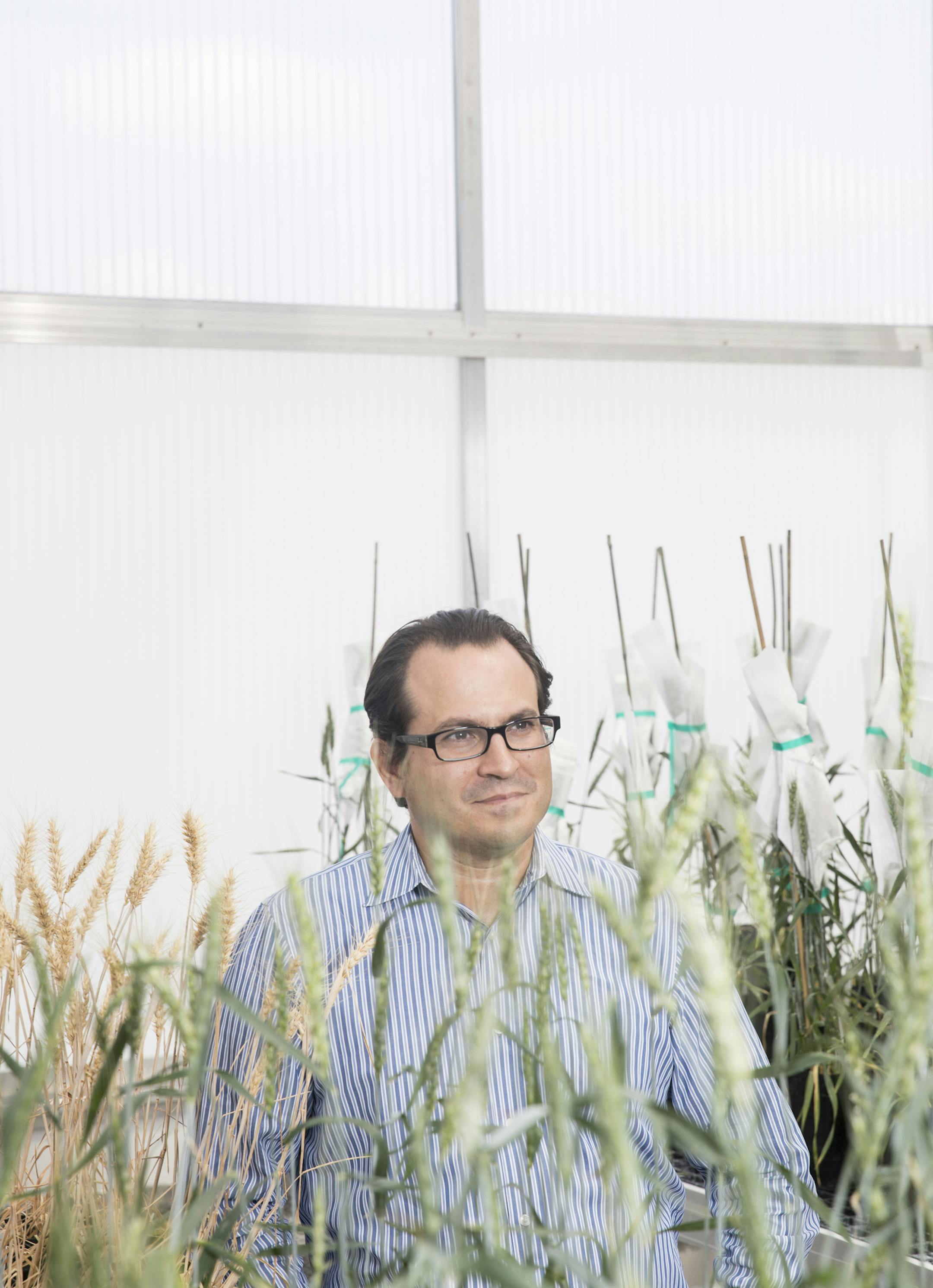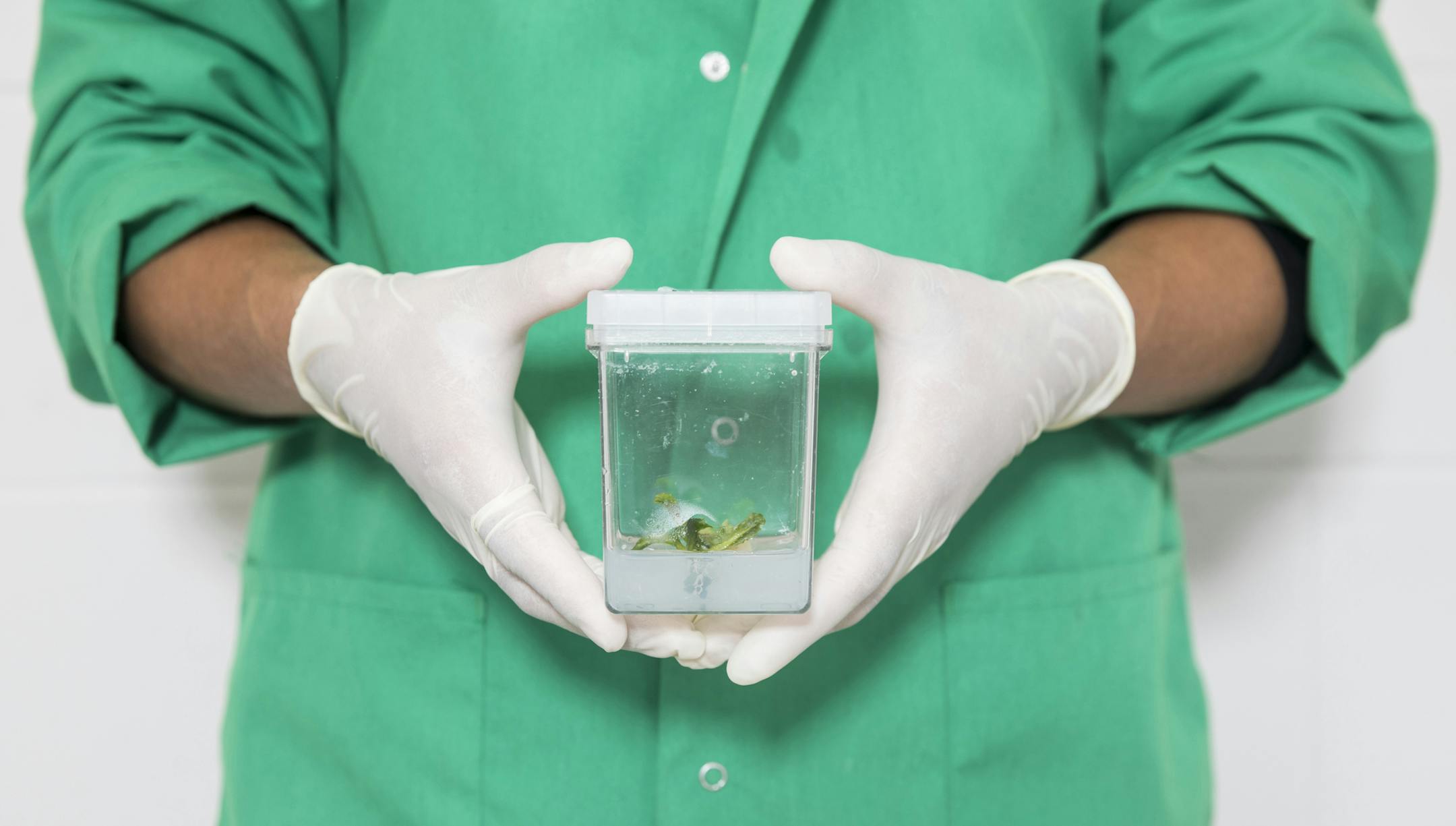
ROSEVILLE, Minn. – In a gleaming laboratory hidden from the highway by a Hampton Inn and a Denny's restaurant, a researcher with the biotech firm Calyxt works the controls of a boxy robot.
The robot whirs like an arcade claw machine, dropping blips of DNA into tubes with pipettes. It's building an enzyme that rewrites DNA — and transforming food and agriculture in the process.
Thanks to a cutting-edge technology called gene editing, scientists can now turn plant genes "on" and "off" almost as easily as scientists flip a switch to illuminate the rows of tender soybean plants growing in their lab. Calyxt's "healthier" soybean, the industry's first true gene-edited food, could make its way into products such as chips, salad dressings and baked goods by the end of this year.
Unlike older genetic modification methods, the new techniques are precise, fast and inexpensive, and companies hope they will avoid the negative reputation and regulatory hurdles that hobbled the first generation of genetically modified foods.
But the speed of change has startled consumer and environmental groups, who say the new technology has not been adequately vetted, and they have petitioned regulators to add safety reviews.
Advocates and critics alike agree that the 30-year-old legal framework for vetting genetically modified crops has failed to keep pace with innovations. Under current rules, the Agriculture Department does not require field tests or environmental assessments for many of these crops because most of the gene-edited crops to date do not contain foreign genetic material and were not made using the bacteria or viruses that scientists employed in first-generation GMOs.
"This is hard stuff," said Federico Tripodi, Calyxt's chief executive. "Consumers accept that technology is good in many aspects of their lives, but technology and food has been something scary. We need to figure out how to engage in that conversation."
Calyxt's soybean is the first of 23 gene-edited crops the Agriculture Department has recognized.