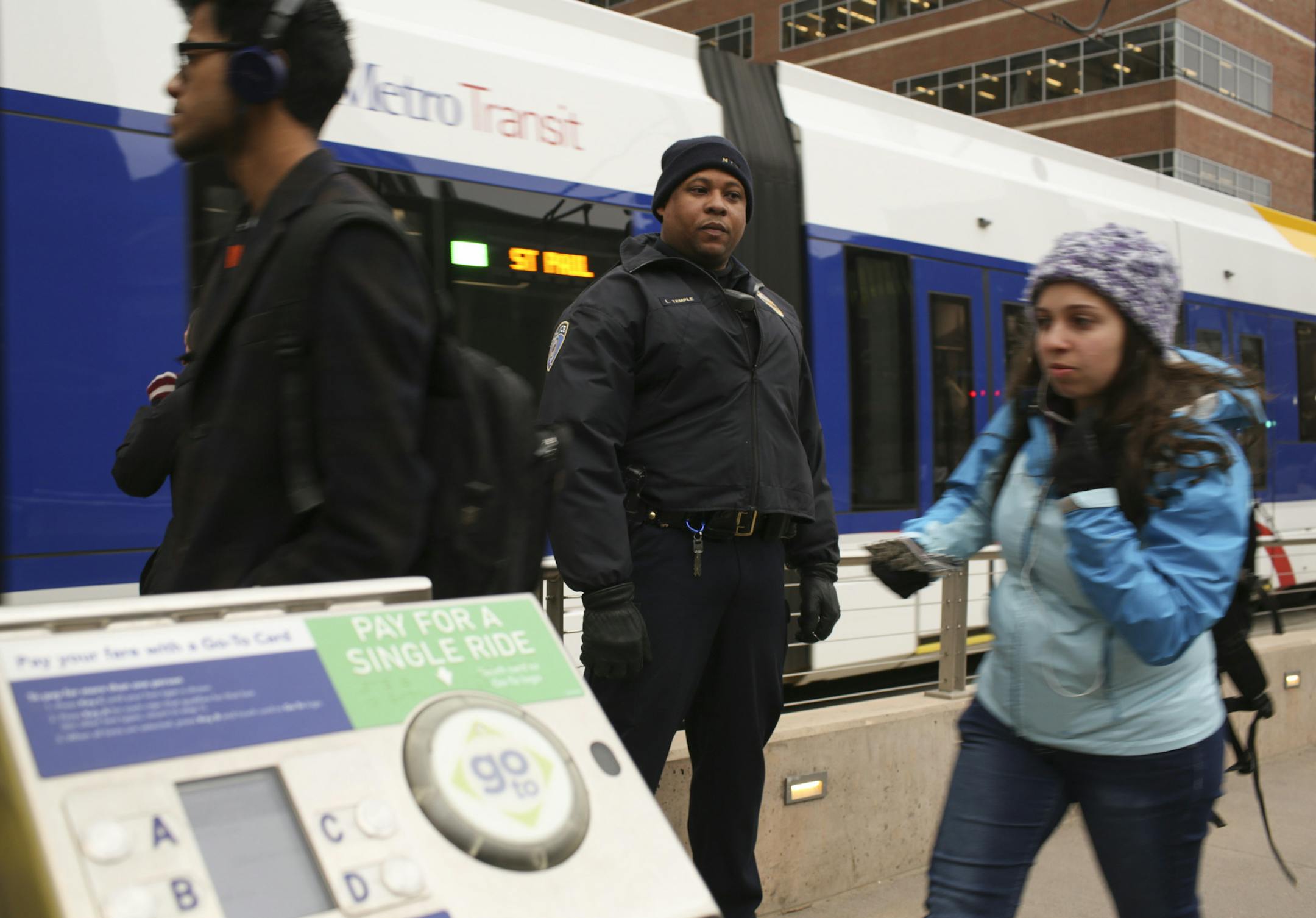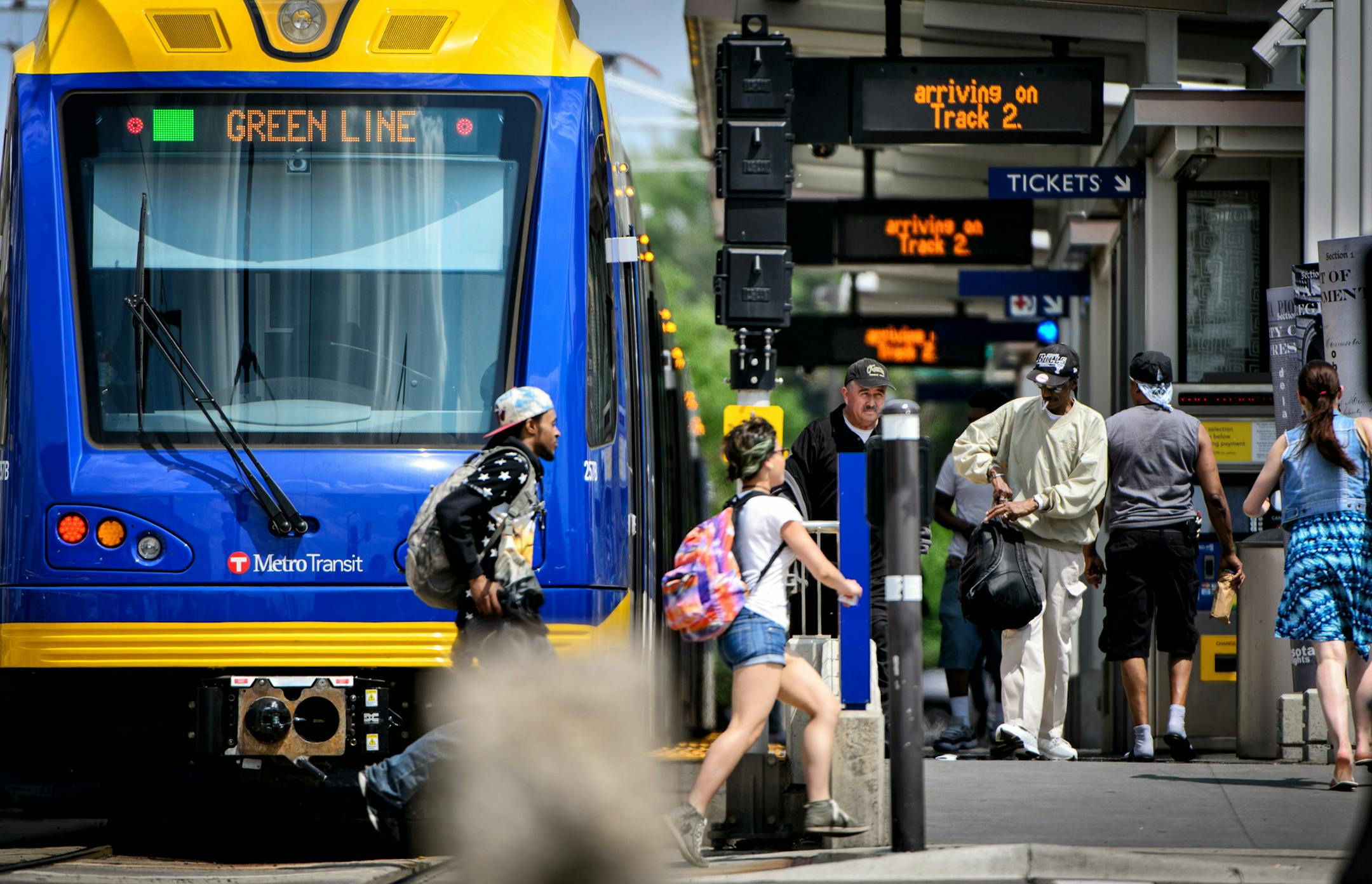
With ridership higher than expected on the Metro Green Line, the amount of money needed to subsidize the nearly year-old light-rail line is down.
Passengers dropped more than $6.21 million into fare boxes during the first six months Green Line trains ran between downtown Minneapolis and St. Paul, covering nearly 36 percent of the $17.36 million that Metro Transit spent to operate the 11-mile line that opened last June.
The farebox recovery ratio refers to the percentage of operation expenses that are covered by fares. The Green Line has a slightly higher recovery ratio than the national average of 31 percent for light-rail lines, said Virginia Miller of the American Public Transportation Association.
Among similarly sized cities, the farebox recovery ratio for Seattle is 28.1 percent; 56.7 percent for Denver; 59.3 percent for Boston and 41.8 percent for Salt Lake City, according to 2013 data from the National Transit Database.
"The Green Line had a strong showing," said Metropolitan Council Chairman Adam Duininck.
The numbers, released this week by Metro Transit, have not been audited, but spokesman Howie Padilla said he doesn't expect them to change.
Ridership had been predicted to be 27,000 to 30,000 a day on weekdays by the end of 2015, but has been closer to 34,000 to 40,000 per day, according to recent data. With more fare-paying customers, revenue has exceeded forecasts, meaning less money is needed to subsidize each ride.
The Green Line's performance could have been higher if all riders had paid. A report released earlier this year found that 4.6 to 9 percent of Green Line riders rode without paying. That translated into $11,100 to $21,800 in lost revenue a week, or $1.1 million a year.