

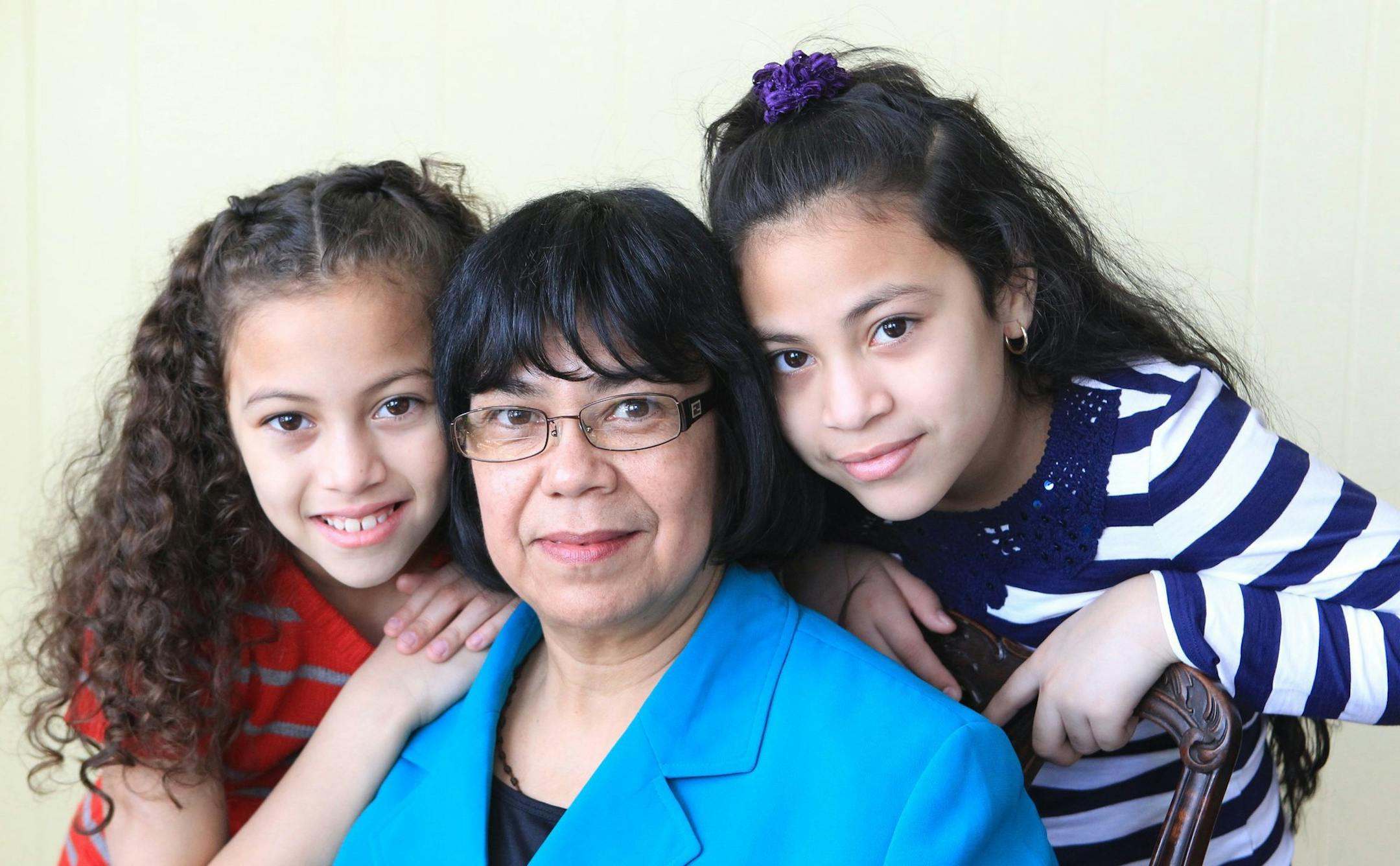
PHILADELPHIA – For Sara Navarro, being undocumented used to feel a lot like being hunted.
That changed in 2012, with the implementation of Deferred Action for Childhood Arrivals (DACA), which gave temporary protection to certain immigrants who were brought here illegally by their parents before age 16.
"It definitely feels different," said Navarro, who was 11 when she emigrated from Honduras to Pennsylvania. "Now, we don't have to watch our backs. We can live with our parents, and they can't deport us."
But it was a bittersweet victory. While Navarro, now 23, and her younger sister, Raquel, were lucky, their four older siblings were not. They had all missed the DACA deadline, one by less than a year.
Navarro's family is one big, messy example of the lucky and the unlucky, the documented and the undocumented. The siblings, parents, grandchildren and spouses represent a pastiche of at least five immigration statuses, ranging from citizenship to temporary protected status, undocumented-and-under-the-radar and direct violation of deportation orders.
While Washington focuses on the politics of comprehensive immigration reform, Navarro's family is a study of struggle in the system.
The story began in the Honduran countryside. As subsistence farmers and small-time shopkeepers, her parents lacked the money to send their children to school. So the couple left their six children, ages 2 to 14, with family and paid $3,000 to be led across the Mexican border in 1994.
"[My husband and I] were going to come to the U.S. for just two years, save some money, and go home," said Maria Turcios, 52, speaking through an interpreter at the New Sanctuary Movement of Philadelphia, an interfaith immigrant rights group. But earning just $3.50 per hour as a seamstress, she could not pay back the $3,000 after two years, so they didn't leave.


