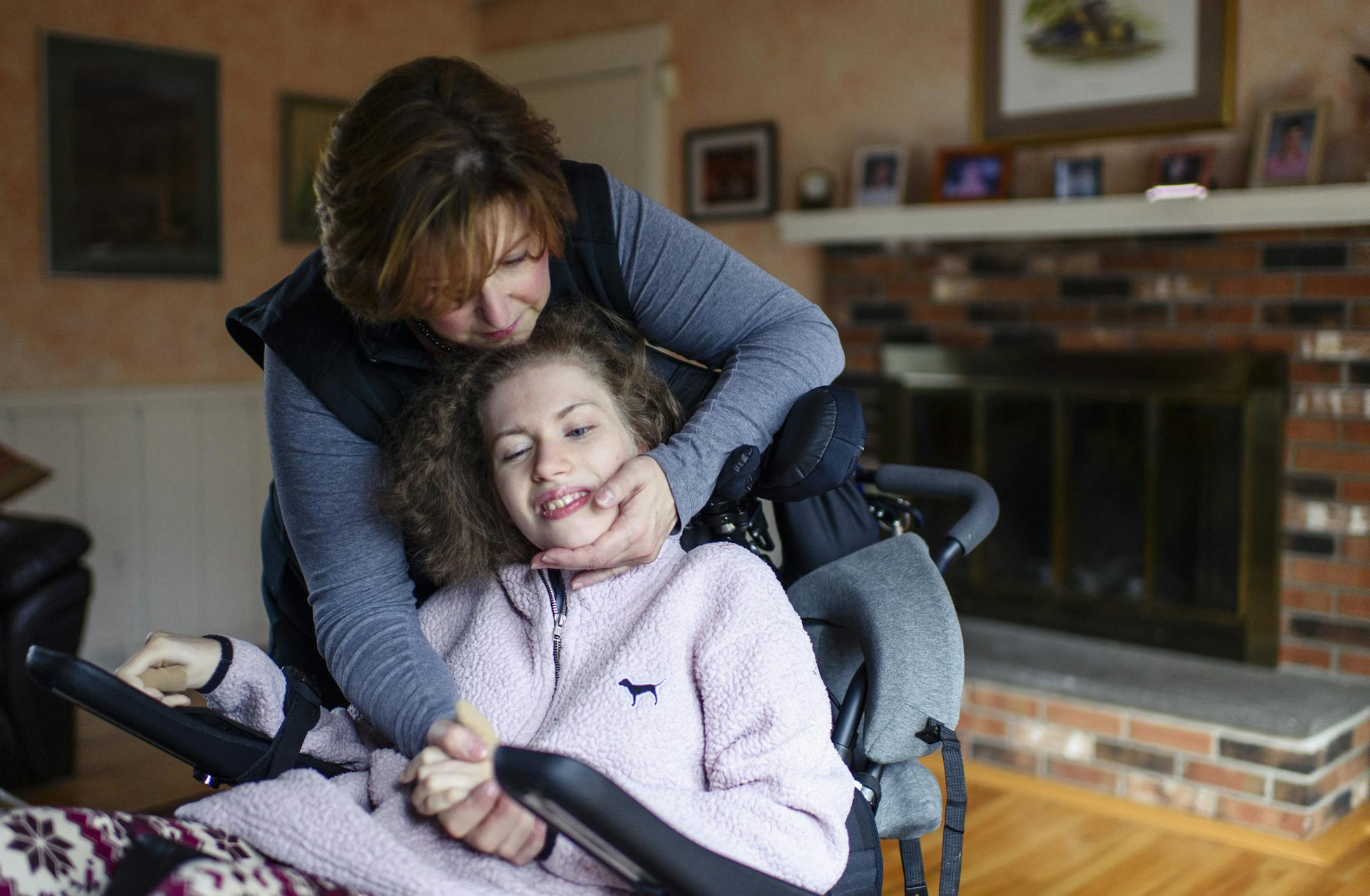
Monica Coenraads had a terrible feeling something was wrong with her 14-month-old baby, Chelsea. She had not learned to walk. She had one word, "duck," and then lost it.
Coenraads was determined to find out why. It What happened upended her life. Chelsea, it turned out, had Rett syndrome.
It's one of about 7,000 rare or orphan diseases — defined as an illness that affects fewer than 200,000 people nationwide. Ninety-five percent of them have no known therapies. They are overlooked by most scientists, and some illnesses may be untreatable, even if they are understood.
Coenraads, 57, who lives in Trumbull, Conn., has encouraged research into Rett syndrome where there had been none. When frantic parents of children with other rare disorders call, Coenraads recognizes the fear in their voices. "We have no choice," she said. "We are desperate parents. We have children with horrible diseases."
What follows are the stories of the Coenraads and three people who have succeeded against the odds in promoting research on rare diseases.
The Coenraads had never heard of Rett syndrome when they received Chelsea's diagnosis at age 2. It is a neurological disorder caused by a mutated gene that destroys a child's abilities to walk, talk, eat and even breathe easily. There was no treatment, no cure.
Coenraads started the Rett syndrome Research Trust, raising $70 million. But money was not enough.
"You have to get up to speed on the science," she said. "You have to learn the basics of drug development and how to recruit scientists and companies to work on your disease."