SAN DIEGO – Shirley Parrello knows that her youngest boy believed in his mission in Iraq. But as she watches Iraqi government forces try to retake the hard-won city of Fallujah from Al-Qaida-linked fighters, she can't help wondering if it was worth Marine Lance Cpl. Brian Parrello's sacrifice.
"I'm starting to feel that his death was in vain," the West Milford, N.J., woman said of her 19-year-old son, who died in an explosion there on Jan. 1, 2005. "I'm hoping that I'm wrong."
The 2004 image of two charred American bodies hanging from a bridge seared the city's name into the American psyche. The brutal house-to-house battle to tame the Iraqi insurgent stronghold west of Baghdad cemented its place in U.S. military history.
Some see a brief reversal
While many are disheartened at Fallujah's recent fall to Islamist forces, others try to put it in the context of Iraq's history of internal struggle since the ouster of dictator Saddam Hussein in 2003.
"I'm very disappointed right now, very frustrated," said retired Marine Col. Mike Shupp, who commanded the combat team that secured the city in late 2004. "But this is part of this long war, and this is just another fight, another battle in this long struggle against terrorism and oppression."
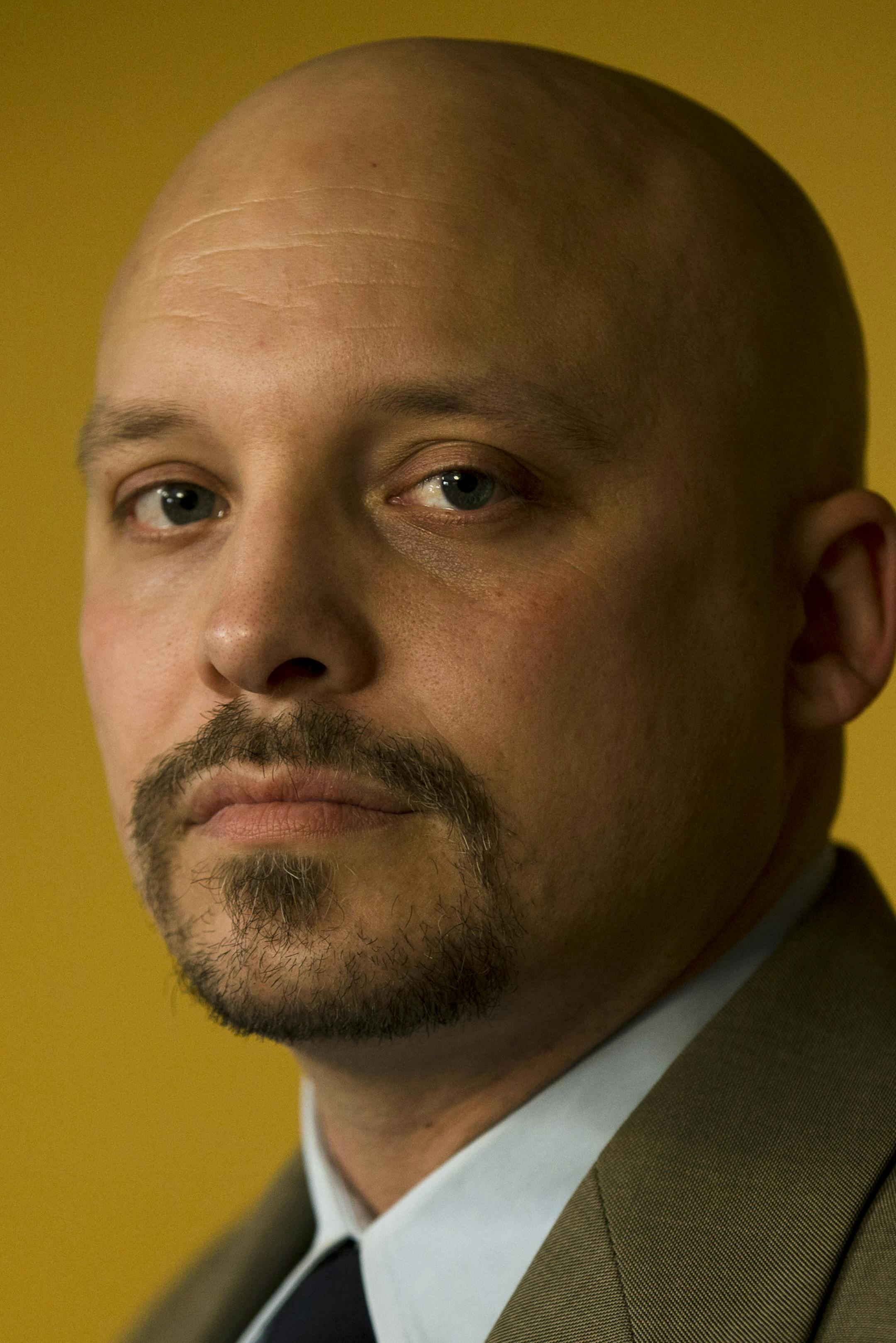
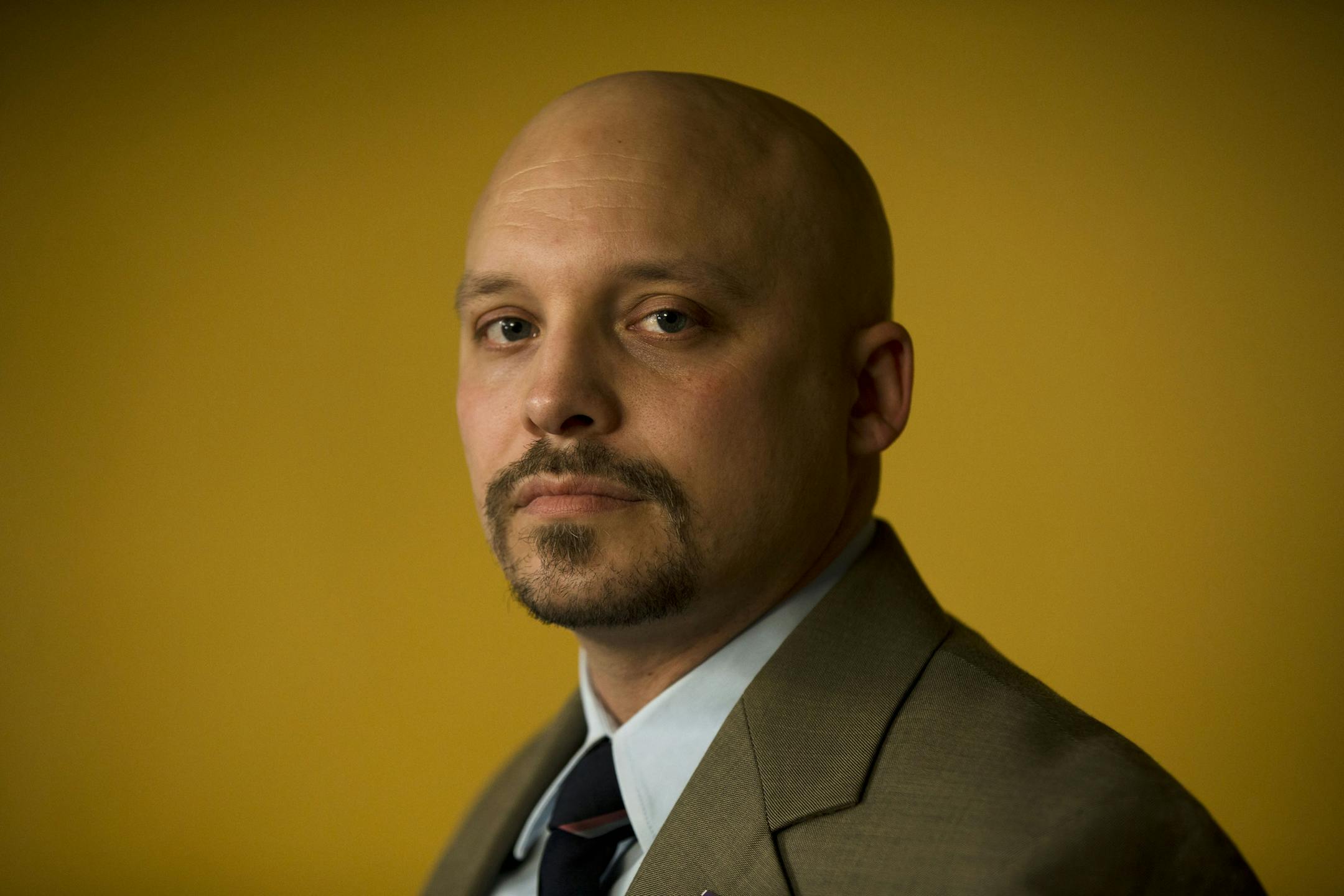
Former scout sniper Earl J. Catagnus Jr. fought and bled in the taking of the ancient city. Now a military historian, Catagnus feels the battle has taken on an almost disproportionate importance in the American mind.
"That is the battle that really made a warrior a warrior," said the Purple Heart recipient.
In the annals of the Marine Corps, the battle for Fallujah looms large.