

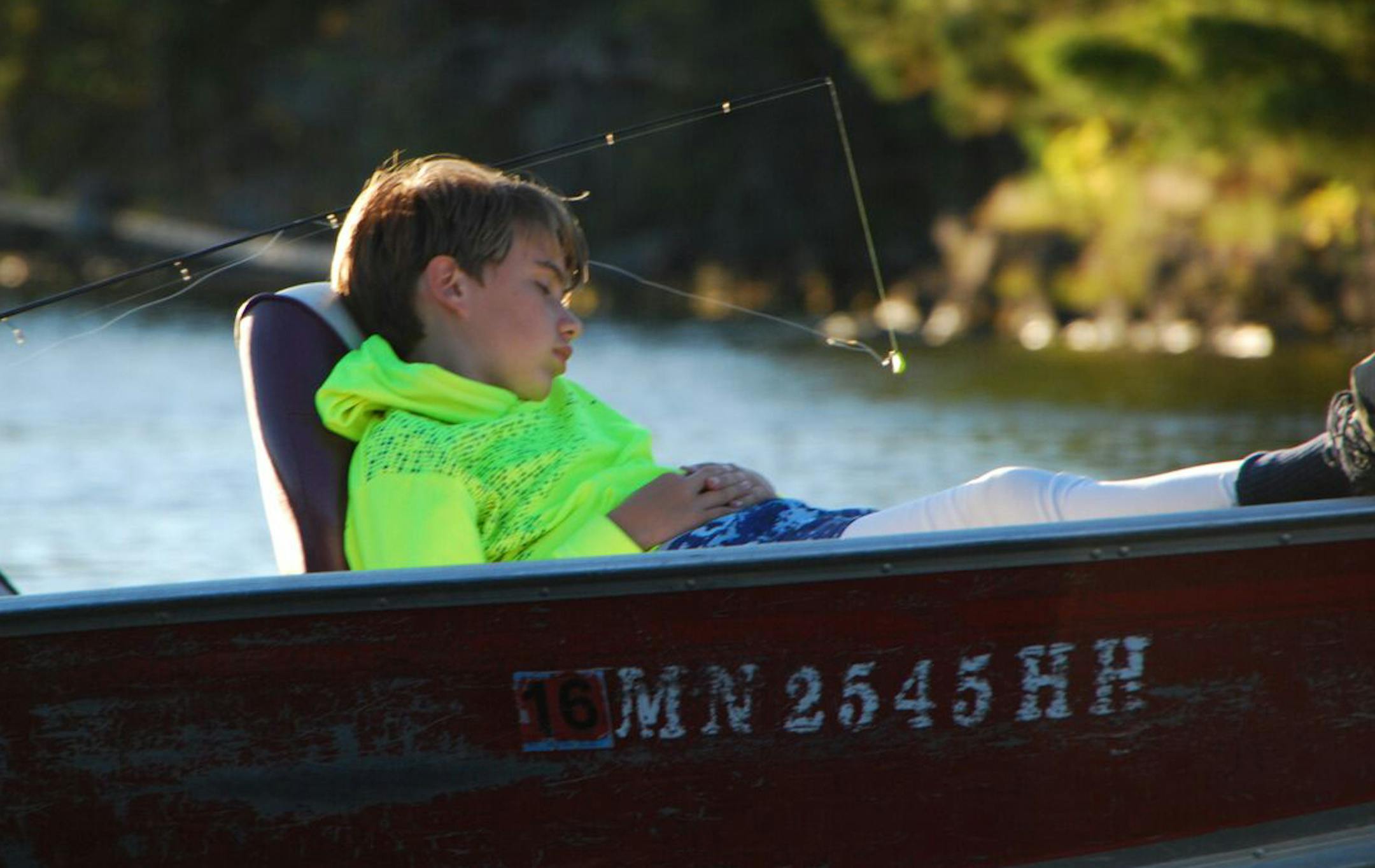
VOYAGEURS NATIONAL PARK – The rutted dirt road leading to Crane Lake was flush with rainwater as we launched our fishing boat beneath swirling, dark clouds.
Up to 4 inches of rain had fallen in a downpour that we were led to believe might actually help the walleye bite. The consensus among local anglers, bait shop operators and resort hands was that it couldn't hurt.
"It's been tough,'' said Jerry Pohlman, owner of Nelson's Resort on Crane Lake, about the fishing. "With this rain, look for spots with running water.''
As we motored 16 miles north toward our reserved, backcountry campsite near the top of Sand Point Lake, which adjoins Crane Lake, that's about all the local counsel we possessed to aid our mission of hooking enough walleyes to enjoy a few fish dinners during the next four days.
Our annual fall fishing and camping trip is normally spent in the Boundary Waters Canoe Area Wilderness. But this year's expedition among eight friends and family members was dedicated to motorboats, camping comforts and new scenery on a different set of Canadian border lakes.
Extended camping and fishing outings after Labor Day aren't overly popular in northern Minnesota, and Voyageurs National Park was no exception. We cruised past an abundance of empty campsites along the park's rocky shores, only to learn later that Voyageurs' three visitor centers experience a 65 percent drop in tourist traffic in September. For us, of course, the scarcity of campers was part of the attraction, paired with hopes of crisp weather, fall colors, clear night skies and few flying insects.
Long before we arrived, Scott Ward and Tim McBride had packed gear into every available square foot of Ward's 18.5-foot-long aluminum boat that spearheaded our group. The three of us were the advance team. The others would arrive the next morning to a deluxe setup of propane burners, individual sleeping tents, a community screen tent and coolers of food and beverage. The expansive site included two sturdy docks, picnic tables and a trio of bear-proof food lockers — infrastructure unheard of in the more primitive BWCA.
Walleyes tapped our lines the next day in 28 feet of water on the leeward side of a small rock island. It was a spot near our campsite where a lone fisherman had parked the previous evening while we were unloading.


