

HOUSTON – The Atlanta Falcons have an atypical arrangement at the top of their football operation. Apparently, it works.
How is the question.
How, in a cutthroat league with too many outsized egos jostling for control, did the Falcons know that stripping final-say power from their experienced general manager and giving it to their new, unproven head coach would work so well so quickly?
Communication, humility and two-way understanding that two heads are better than one, just so long as the head with final say doesn't get too big.
"If you're at odds or loggerheads on a certain player, it's not productive to proceed with that player unless the coach and the general manager can't come to a decision," said Falcons General Manager Thomas Dimitroff, whose team will play the New England Patriots in Super Bowl LI at NRG Stadium on Sunday. "When you start having those disagreements and someone slaps down a contract on the table and claims to have final say on the 53-man roster, I think you're well on your way to having massive issues within an organization. So we haven't done that here."
It's common sense. But not always common practice in the NFL.
In 2006, coach Marty Schottenheimer and General Manager A.J. Smith built the San Diego Chargers into a league-best 14-2 team. They lost to the Patriots in the playoffs. Schottenheimer was fired a month later because he and Smith had overdeveloped egos that couldn't coexist any longer.
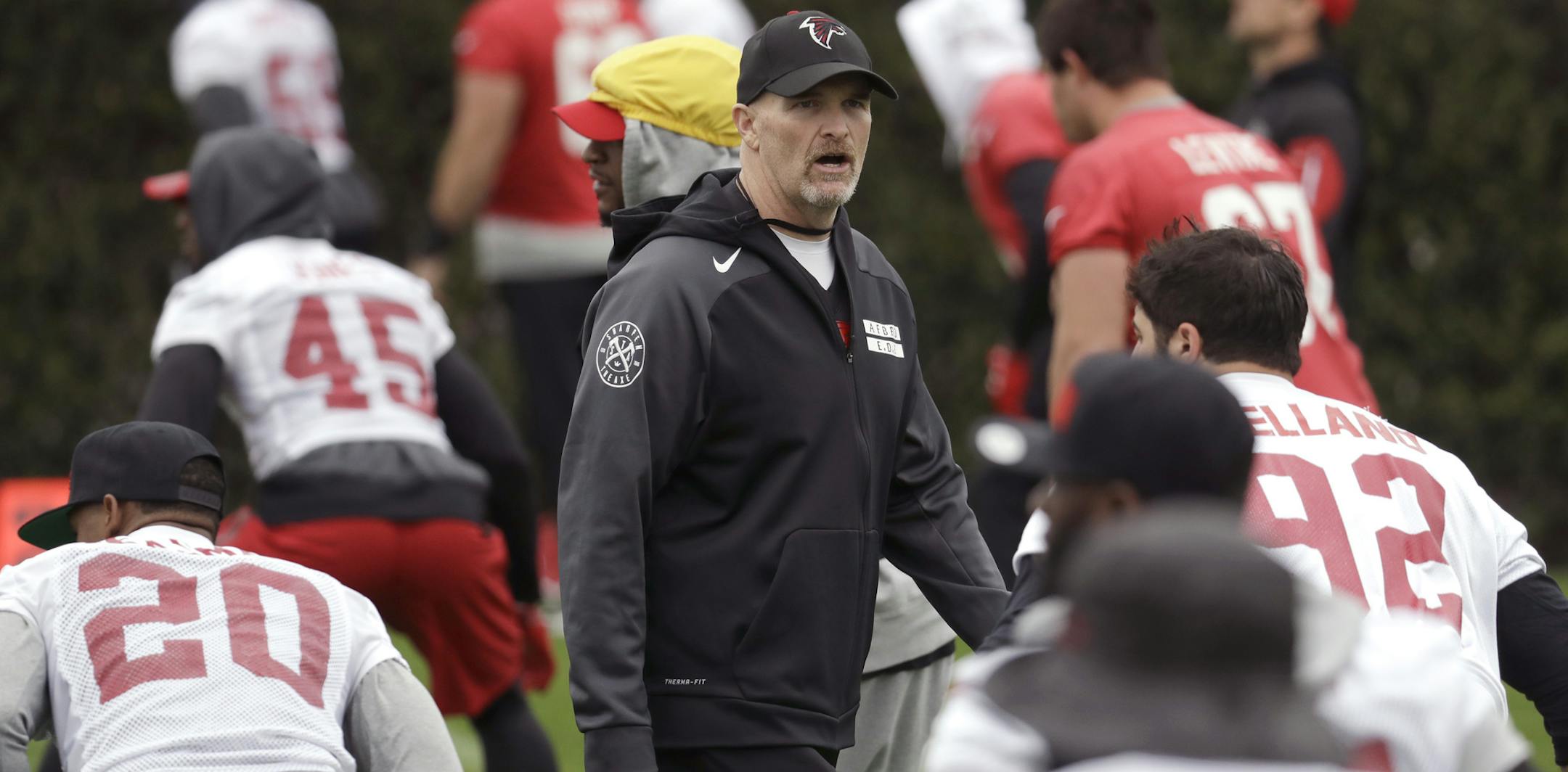
Things can change quickly in this business, but right now neither Dimitroff nor Falcons coach Dan Quinn appear to be in any danger of butting egos. Quinn oozes positivity and declared this week that his goal was to have the best coach-general manager relationship in all of sports. Meanwhile, Dimitroff already proved his unusual humility by accepting less power once he got to know Quinn during the hiring process in 2015.


