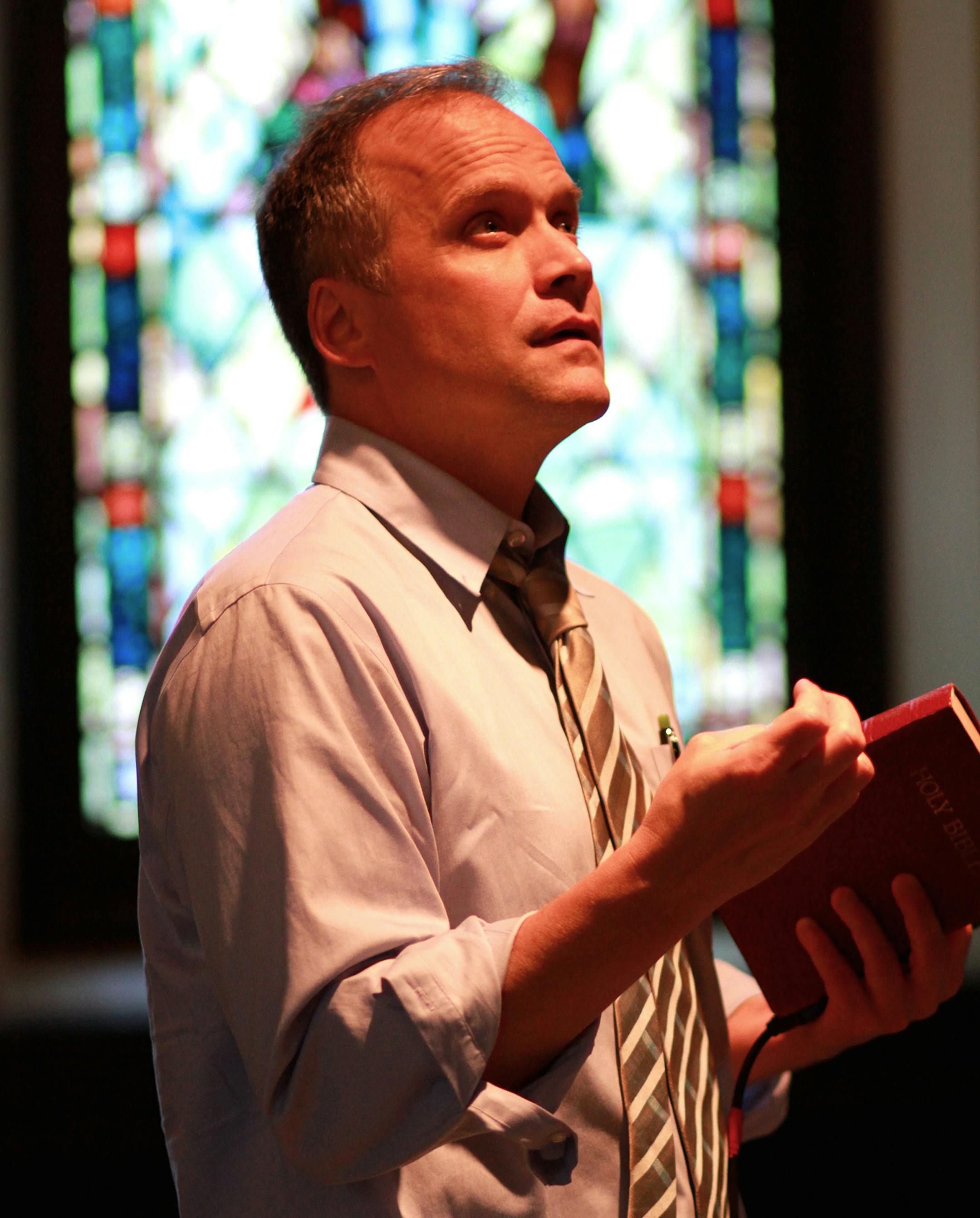
Director Amy Rummenie remembers she was "scared out of my wits" as her Walking Shadow Theatre Company opened a production of "The Christians" last spring. After all, playwright Lucas Hnath's deeply personal and religious play held the potential to offend audiences on both ends of the spectrum.
"I remember people coming to that play saying, 'I'm nervous that I'm going to be preached at,' and others said, 'I'm nervous that my beliefs are going to be made fun of,' " Rummenie said.
The subject of religion can cause that kind of anxiety. Beliefs and ideologies strike close to our personal identity, particularly when it comes to how we are perceived by others. As Sarah Bellamy, Penumbra Theatre's co-artistic director, aptly put it, "there is a lot of drama when we talk about religion."
Rummenie's fears were allayed as Walking Shadow's staging respected the earnest sincerity of a faith community while also wrestling with the troublesome ambiguity of dogma. The play is about the conservative pastor of a megachurch who has come to question a central tenet of orthodox Christian doctrine — that heaven is reserved only for those who profess the belief that Jesus Christ died for our sins. It was a penetrating juxtaposition of credal belief and real-life experience. Given the stakes, Rummenie was right to be nervous about making a misstep.
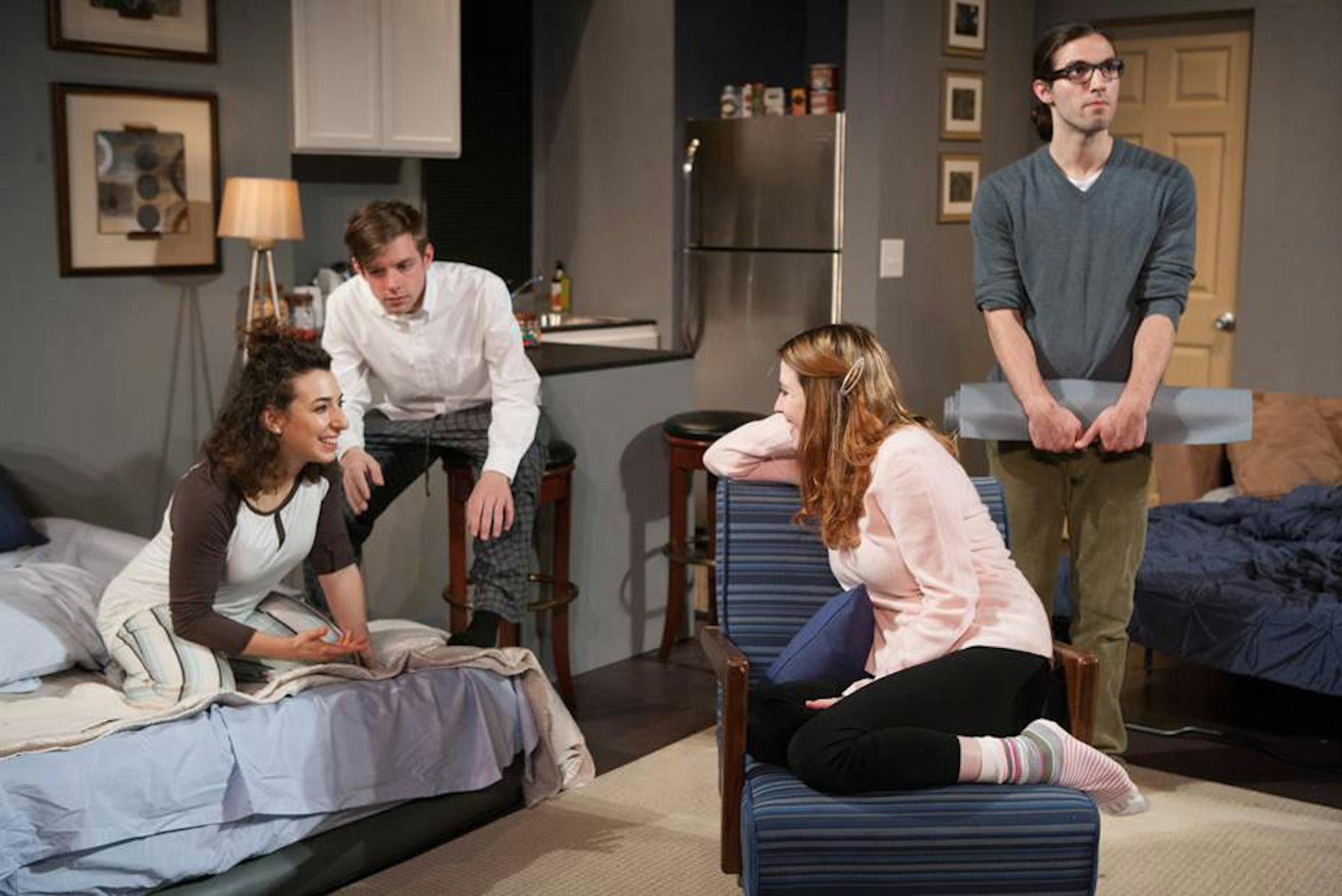
"The Christians" is among a recent flurry of plays on Twin Cities area stages that deal with religion. The Jungle just opened "The Oldest Boy," Sarah Ruhl's story of a boy who is seen by Tibetan Buddhist monks as a reincarnated lama. Minnesota Jewish Theatre Company staged a sharp analysis of the divide in religious and cultural understandings of the faith in "Bad Jews" this spring.
In "Disgraced," which played at the Guthrie this summer, playwright Ayad Akhtar created a searing portrait of a Muslim man whose complex relationship with his primal, cultural identity is his undoing. In the Jungle's recent "Bars and Measures," Islam became more of a political football, but it was religion that redeemed and then condemned an individual who had made bad choices.
"The arts affect our souls in a unique way," said Jewish Theatre artistic director Barbara Brooks, speaking about the powerful way that theater can manifest a spiritual subject.
Partners in spiritual experience
Bellamy notes that theatrical forms were used centuries before the Greeks began to shape the forms of Western drama. In both cases, performance was a form of religious ritual.