

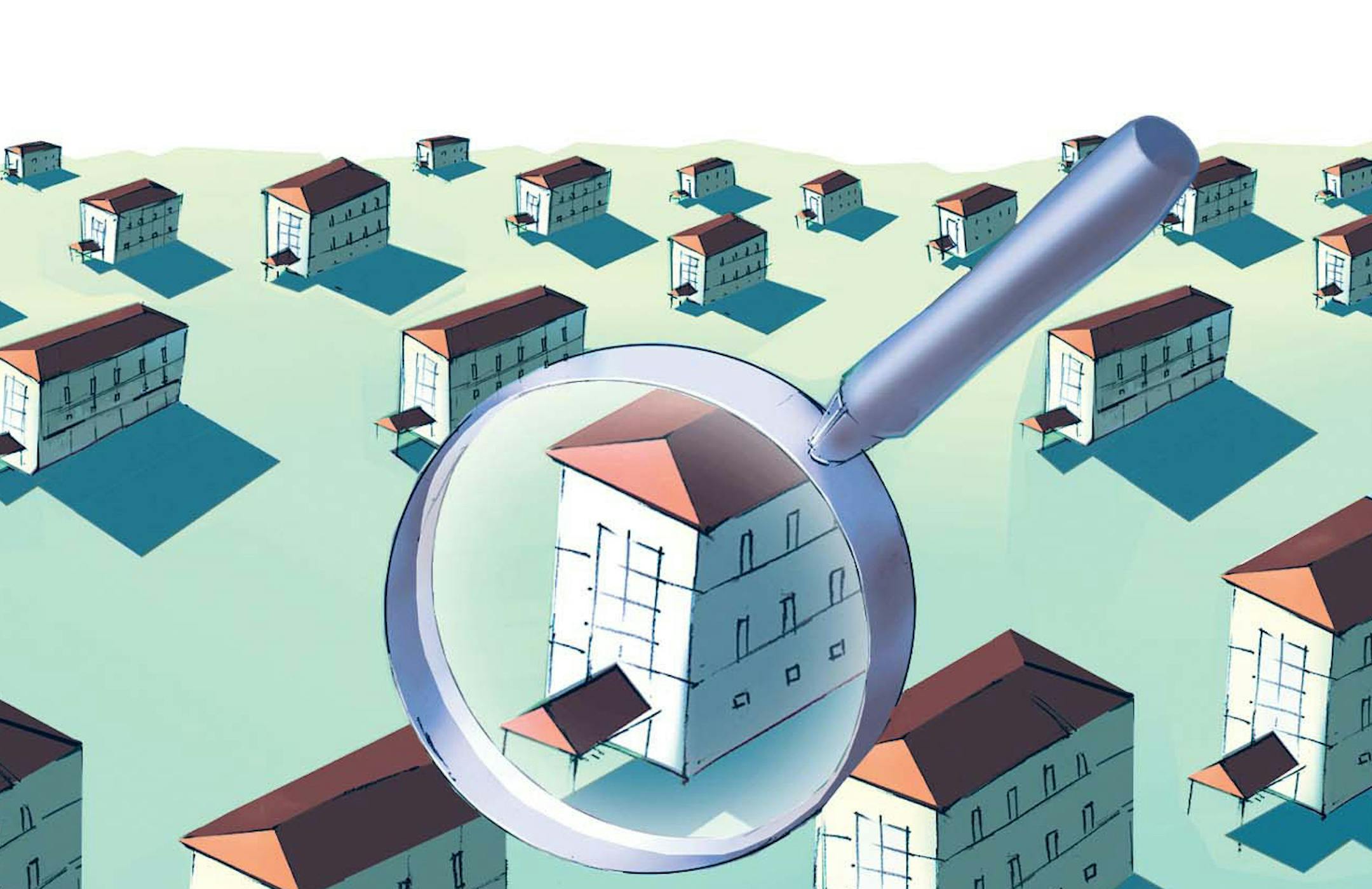
As the Metropolitan Council updates its affordable housing allocation formula, it should be guided by this question: What will it take to spread lower-cost housing throughout the region.
Last week, the council began working on the difficult task of reallocating how much low- and moderate-priced housing each Twin Cities community should provide. It's a tough assignment because the needs are so great — and the resistance to meeting those needs can also be great.
Still, the council should stand up to that resistance. Regional government housing policies should use public dollars to create mixed-income, desegregated communities. Ultimately, having more of those types of neighborhoods — and fewer large concentrations of poverty — will build an economically stronger, more vibrant metropolitan area.
In the next 10 years, an estimated 52,000 new homes and apartments will be needed for low- and moderate-income residents in the metro area. The housing need extends beyond the homeless and the poorest of the poor. As Twin Cities rents and mortgage payments have increased, affordable housing is necessary for many entry-level, younger and moderate-wage workers.
State law requires cities to plan for their fair share of regional affordable housing. The Met Council — the regional planning body whose members are appointed by the governor — is facing the once-in-a-decade process armed with new U.S. census data. To its credit, this time the agency says it will revise its allotment formula with more input from the public.
Affordable housing formulas were last computed in 2006 and were designed to cover the years from 2010 to 2020. Those formulas considered population and household growth and were adjusted for three criteria — the ratio of low-wage jobs vs. low-wage workers, a community's existing affordable-housing stock and access to transit. The new formula is likely to consider the first two in some way, council officials said.
The Met Council cannot force the allocations on cities. But the council does set general metro planning priorities and can tie meeting housing goals to distributing some regional resources.
Determining each city's share has become controversial, sparking accusations of racist decisions designed to concentrate poor people of color in certain communities and keep them out of more affluent white areas. Those concerns led to a federal fair-housing complaint filed by communities that believe the council formula calls for them to do more than their fair share.


