

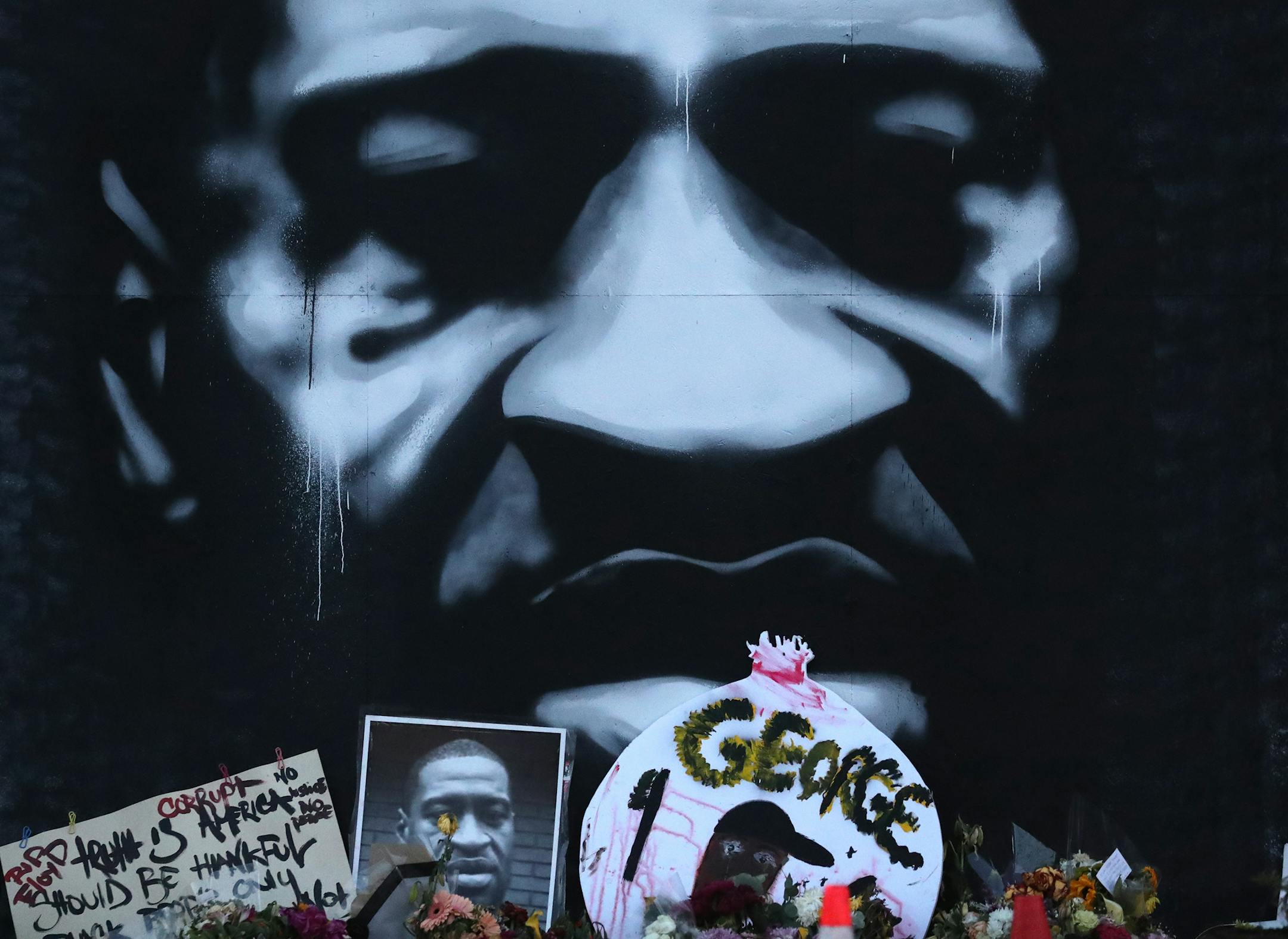
Since George Floyd's death, the need to address racism and white privilege in Minnesota has come to the forefront.
Knowing that adults struggle to discuss these subjects among themselves, much less with young kids, the Minnesota Children's Museum is hosting a virtual discussion with four child development experts on Wednesday on how parents can talk to their kids about race and racial inequity.
Panelist Dianne Haulcy is a senior VP at Think Small, a St. Paul nonprofit promoting early childhood education, and host of Minnesota Public Radio's new podcast "Early Risers: Waking up to equity in early childhood." She shared why it's important to start these conversations early — and what to say.
Q: Why is it so important to talk to kids about race?
A: One of the reasons why we struggle with the issue of racism so much in our country — and in particular in Minnesota, where we have some of the worst opportunity and achievement gaps between white people and people of color — is because we cannot talk about it. I can't tell you how many times I have been in meetings with very smart, high-level people, and the minute I say something about racism, the room gets quiet. Nobody has anything to say.
Because we can't talk about it to each other, we can't talk about it to our children, either. But when we don't talk about it with our children, all they're left with is to learn implicitly through our biases.
Q: At what age should these conversations start?
A: When a child begins to ask a question about race, then they're ready to talk about it. A child's implicit biases are pretty set by the time they're 5 years old and they're starting to learn these biases at about age 2 and 3.


