

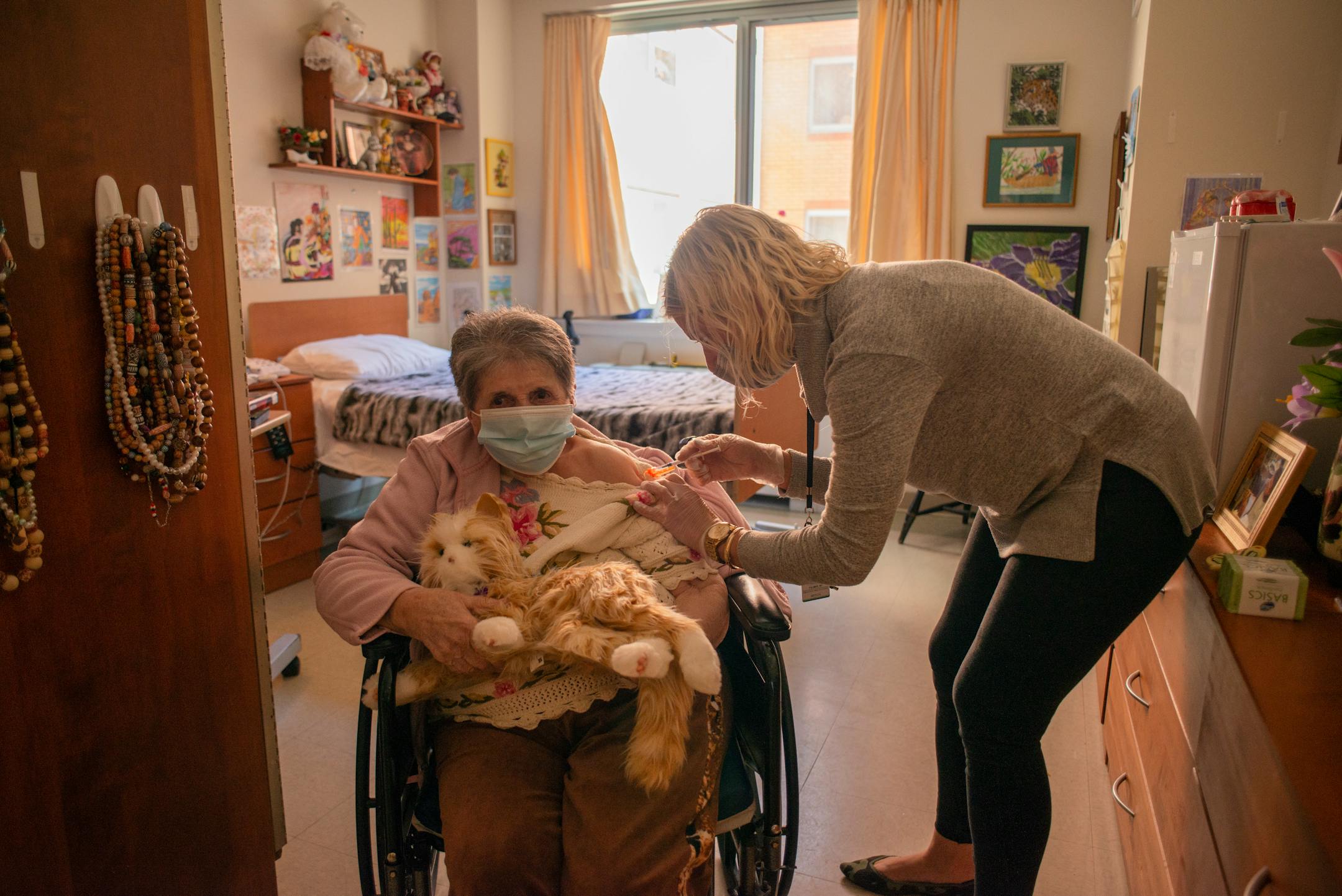
A lot went wrong during the coronavirus pandemic as the virus tore through a polarized nation and public health leaders, policymakers and elected officials struggled to respond.
Chronic underinvestment in public health at the federal, state and local levels only made things worse. All told, more than 1.1 million people have died of COVID-19 in the United States, and more than 1,000 are still dying each week.
More than three years after the Trump administration declared the virus a public health emergency in January 2020, the government's pandemic response is now entering a new phase. On Thursday, the Biden administration will allow the emergency declaration to expire, offering a moment to take stock of how the nation responded to the worst public health crisis in a century.
Here are some lessons from the country's fight against the virus.
Get the messaging right.
Public health experts say that when managing an infectious disease outbreak, communication is not part of the response. It is the response.
The coronavirus pandemic showed that confusing messaging can worsen the spread of disease and erode faith in public health institutions. But messaging during a pandemic is a tricky business. The science is often changing, sometimes day by day, and instructions from public health officials — to mask or not to mask? — must change as well, which can create confusion and a lack of trust.
The key, experts say, is for public health leaders to bring their audience along with them by explaining that the guidance they are giving today may change tomorrow — and then acknowledging that what they said yesterday might have been wrong.


