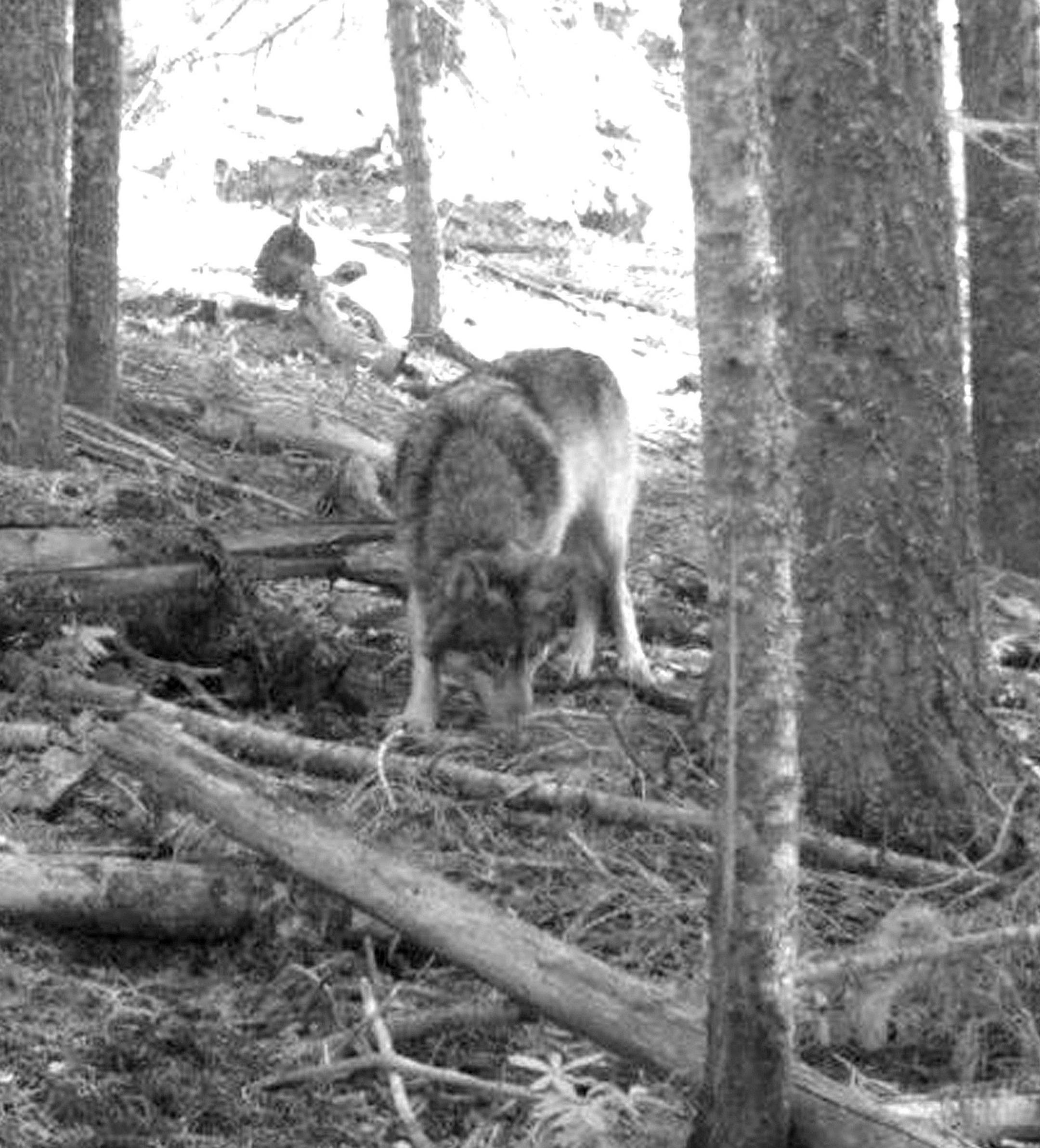
GRANTS PASS, Ore. – Wildlife advocates are preparing to retrace the 1,200-mile path of a wandering wolf whose trek in 2011 across Oregon and California attracted worldwide attention. They hope their upcoming journey will help build greater acceptance of wolves as they reclaim lost territories across the West.
The wolf, dubbed OR-7 and wearing a GPS-equipped collar, became famous at 2 years old after leaving a pack in northeastern Oregon in 2011, just days after the state issued a kill order for his father and a sibling for preying on livestock.
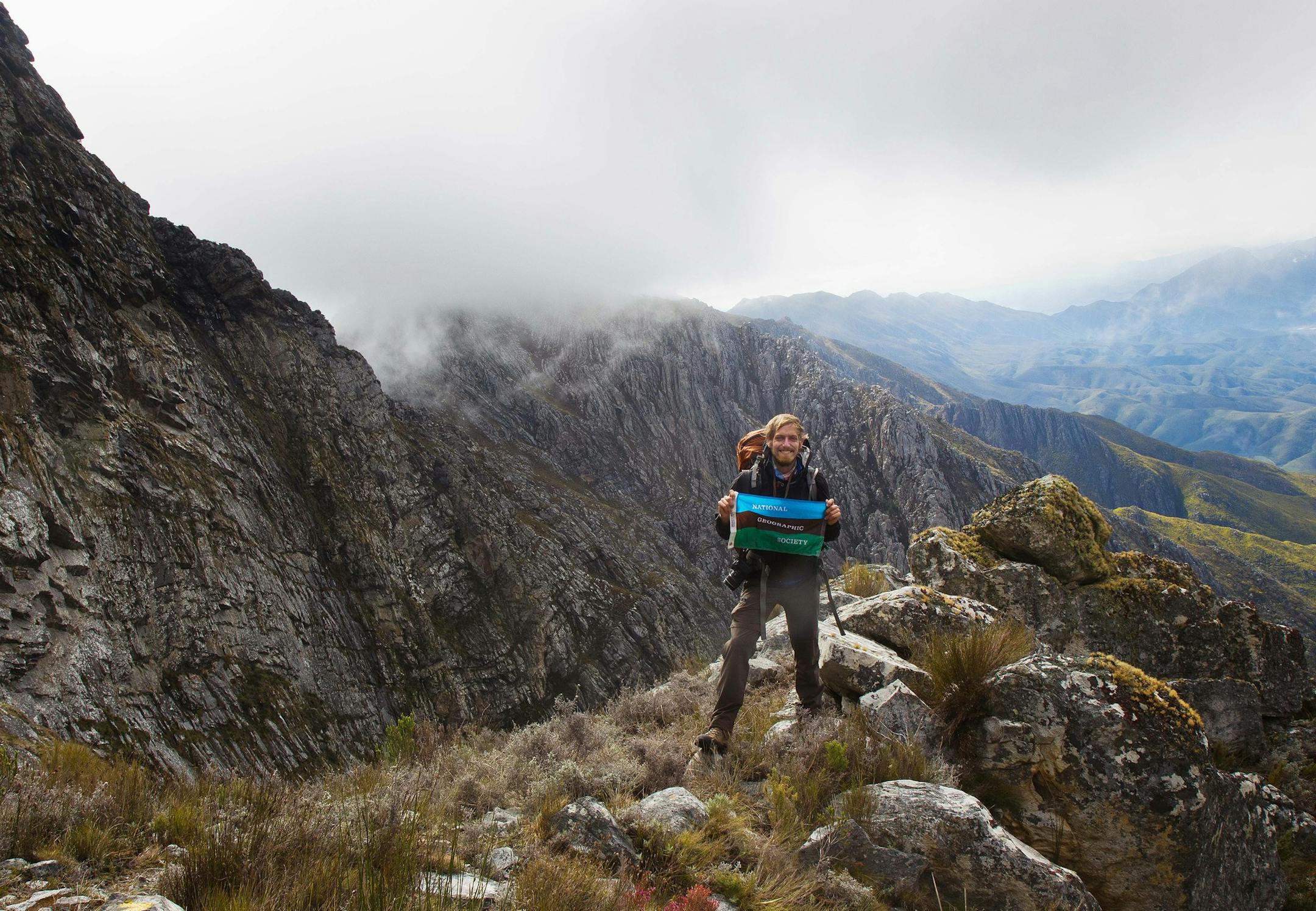
"It is only through walking it that anyone can truly understand that journey," said Jay Simpson, who plans daily blog posts of photos and interviews with people the Wolf OR-7 Expedition contacts along the way. "It's not a thing you can understand on Google Earth."
Using traditional storytelling, real-time multimedia blogging, time-lapse photography and a documentary film, the team hopes to offer new insights into what the spread of wolves across the West means for the people who live here, inspire new attitudes that ease conflicts in ranch country and recognize conservationists working to protect wolves.
OR-7 passed by the spot where the last Oregon wolf was killed by a hunter in 1946, and where the last known California wolf was killed in 1924.
Wolf tells a new story
OR-7's trek is standard procedure for young wolves trying to establish new territories. That's how wolves came to Oregon in the late 1990s from Idaho, where they were re-established as part of a federal endangered species program.
"OR-7 is really a pioneer," said David Moskowitz, a wildlife biologist, tracker and photographer. "He is offering a first glimpse of the new story unfolding about what it is going to be like for wolves returning" to a changed landscape.
Unlike five Oregon wolves that migrated east to Idaho, OR-7 has not been shot, noted Amaroq Weiss of the conservation group Center for Biological Diversity. Idaho has allowed wolf hunting since Endangered Species Act protection was lifted in 2011.