

Opinion editor’s note: Editorials represent the opinions of the Star Tribune Editorial Board, which operates independently from the newsroom.
•••
It’s just part of our culture, whether it’s driving to see family or friends, making trips to the cabin, BWCA or North Shore — or just exploring all that the Upper Midwest has to offer. Minnesotans love to hit the road.
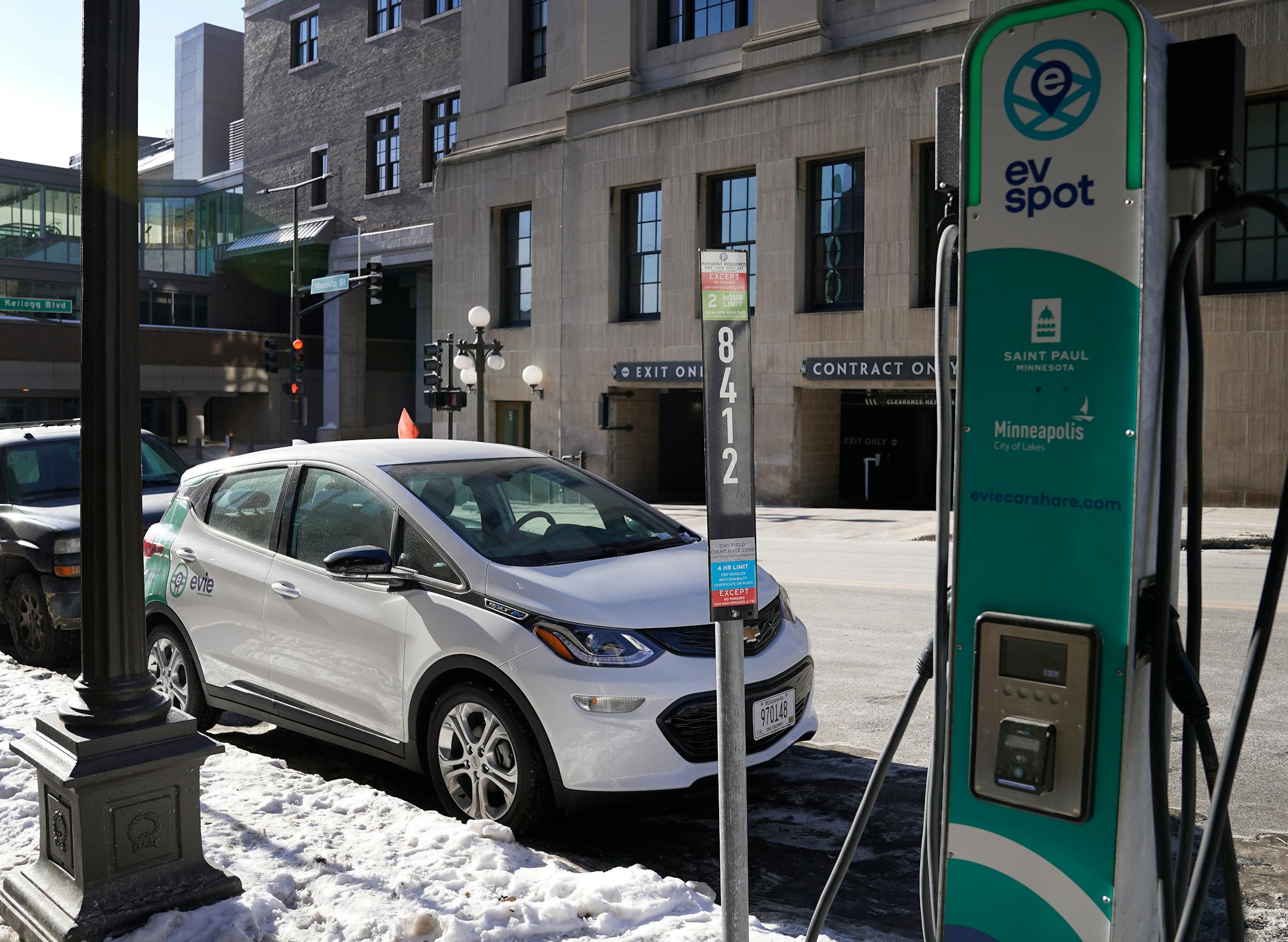
While taking those trips, drivers need to know that they can get fueled up along the way. That’s why when it comes to considering electric vehicles (EVs), many buyers hesitate based on what’s known as “range anxiety.” They fear the kind of problems that Star Tribune reporter Christopher Vondracek described last fall when he couldn’t charge his EV between the Twin Cities and Alexandria.
That’s why it’s welcome news that a Minnesota state agency plans to build more fast-charging stations for EVs on highways around the state. The Minnesota Pollution Control Agency (MPCA) recently announced its plan to spend $14 million — the last of the $47 million in Volkswagen settlement money the state received after the car company was caught cheating on federal emission standards.
The MPCA wisely expects to spend $2 million of the $14 million on about 13 the new charging stations in greater Minnesota. That investment is expected to expand the statewide charging network by more than 2,500 miles. Most of the remaining money will go toward helping school districts replace about 50 school buses and companies replace dozens of diesel trucks and other heavy equipment.
The MPCA Volkswagen settlement is one of two major funding sources for Minnesota’s EV public plug-in network. A second is the $68 million infusion of federal funds from the 2021 Infrastructure Investment and Jobs Act — funds that will be used over the next five years to build charging corridors along Interstate 94 from Wisconsin to North Dakota and Interstate 35 from Iowa to Duluth before expanding to other highways.
That’s part of the $5 billion the Biden administration is putting into a national EV charging network through the National Electric Vehicle Infrastructure (NEVI) Formula Program. Once complete, it’s expected that the charging network will service about 75,000 highway miles across the U.S.


