
Excitement is part of NFL mind game

January 27, 2014 at 4:52AM
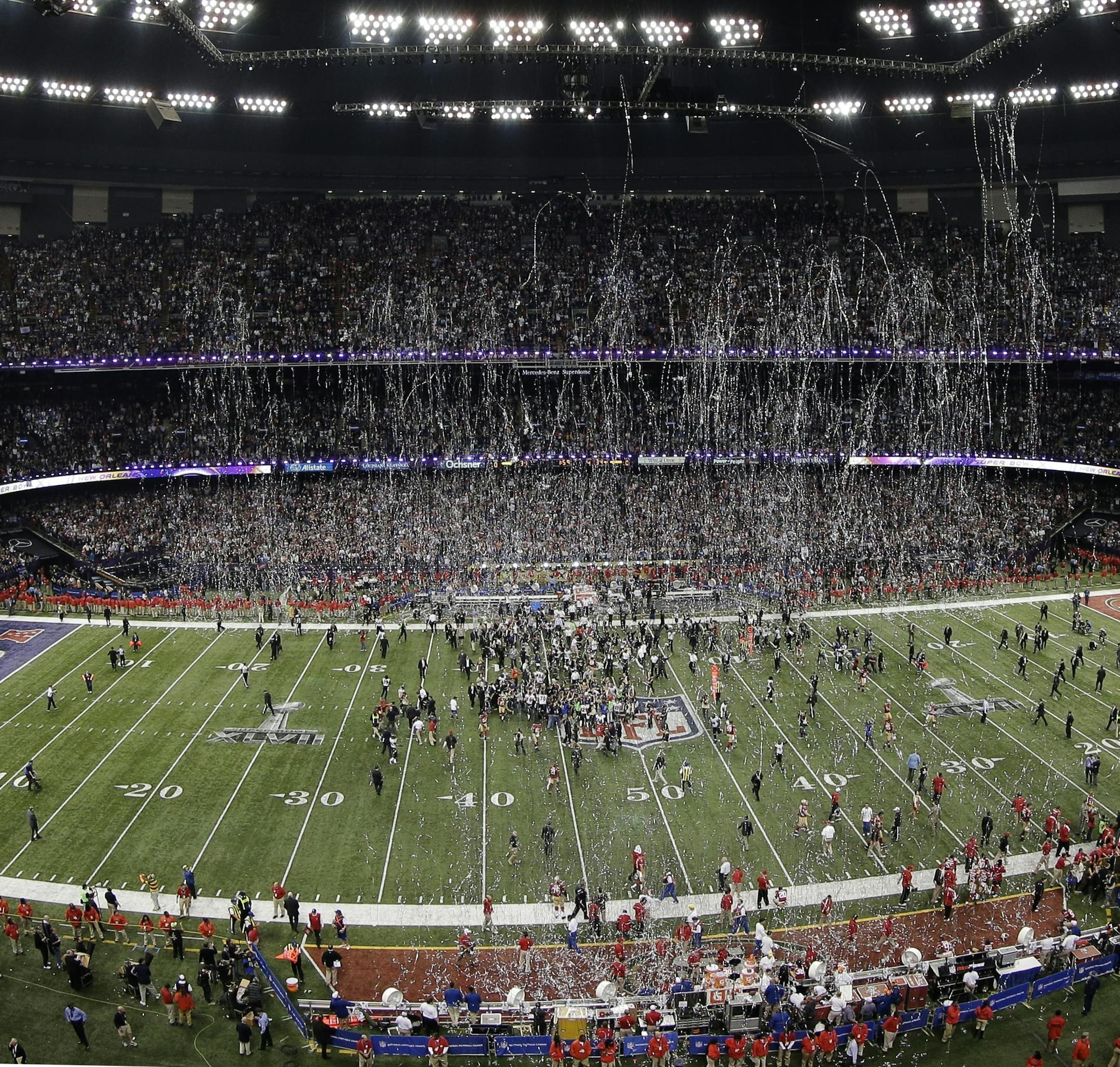
FILE - In this Feb. 3, 2013, file photo, Streamers and confetti fall after the Baltimore Ravens won the NFL Super Bowl XLVII football game 34-31 over the San Francisco 49ers in New Orleans. When a record New Orleans Bowl crowd of well over 50,000 files into the Superdome on Saturday night, Dec. 21, it will mark the latest success of an institution created a quarter century ago with the hope of making the Big Easy a premier sports tourism destination. The Greater New Orleans Sports Foundation thi
It has been 51 weeks since Super Bowl confetti fell for the Baltimore Ravens in the Superdome. It has been much longer than that since Major League Baseball challenged pro football for the title of fan favorite. (The Minnesota Star Tribune)

When the first Harris Poll asking Americans what their favorite sport was came out in 1985, it was a neck-and-neck fight between the NFL and Major League Baseball (the poll differentiates college vs. pro as separate "sports").

The NFL was on top, with 24 percent of respondents saying they preferred that league. MLB was right behind at 23 percent.

That's a snapshot of where things stood in the sports pecking order almost three decades ago … and a reminder of just how much has changed.

The latest Harris Poll came out recently. While the NFL and MLB still rank 1-2, the gap is startlingly wider. A full 35 percent of Americans call the NFL their favorite sport now; 14 percent say MLB.

From pretty much a dead heat to a 2.5-to-1 advantage. What happened?

Certainly, numerous factors are in play. Our society, as a whole, seems to have shifted to the point that a hard-hitting sport like football more accurately reflects the national psyche, while baseball was the pastime of choice in milder times. And there's no denying the impact of fantasy football and the NFL draft, which help keep fans wrapped up in the game year-round.

But we'd say the primary factor is the perception the NFL has created that there is perpetual action and something is always about to happen, when NFL games actually have less action and last longer than MLB games.

Certainly baseball could benefit by speeding itself up. The average length of games has famously climbed from around 2 hours, 30 minutes in the 1970s to almost 3 hours now. Hitters stepping in and out of the batter's box to adjust gloves, pitchers stalking around the mound — it can be maddening.

But while many complain about the steady climb in baseball game lengths, nobody seems to gripe about NFL games — which were about 2 hours 59 minutes in 1992, according to Elias, and were averaging a little more than 3:10 late in the 2013 season, according to sportsonearth.com.

Also, those who complain about inactivity during MLB games should note: Studies show there is 18 minutes of actual action during a baseball game … and just 11 minutes of action during an NFL game.

You could argue that both are colossal wastes of time (they're not if you love sports, but still). The larger point is this: The NFL has convinced us that something is always happening, even though it isn't. So baseball, the sport that is shorter and has more action, gets labeled as boring, while football, the sport that is longer and has less action, gets tagged as exciting.

MICHAEL RAND

about the writer

about the writer

More from No Section

See More
FILE -- A rent deposit slot at an apartment complex in Tucker, Ga., on July 21, 2020. As an eviction crisis has seemed increasingly likely this summer, everyone in the housing market has made the same plea to Washington: Send money — lots of it — that would keep renters in their homes and landlords afloat. (Melissa Golden/The New York Times) ORG XMIT: XNYT58
Melissa Golden/The New York Times

It’s too soon to tell how much the immigration crackdown is to blame.