

There are two kinds of wetlands in Minnesota.
There are the really great ones in the northeast part of the state, mostly untouched by humans and home to diverse plants and wildlife. And then there are wetlands in rest of the state, mostly contaminated and full of invasive cattails that only a red-winged blackbird could love.
That's the contrast detailed in two of the most comprehensive wetland surveys ever conducted by the state. The surveys, released Thursday by the Minnesota Pollution Control Agency, are part of an effort to document the number and health of Minnesota's wetlands, which scientists regard as important ecological assets because they cleanse water, help control floods and provide a home to birds, frogs, turtles and fish.
The findings raise questions about whether long-standing rules that allow farmers and developers to destroy wetlands while replacing them elsewhere have worked as well as intended, said Mike Bourdaghs, the PCA scientist who led the research.
The overall number is holding steady. Between 2007 and 2012 the number of wetlands — which includes marshes, bogs and potholes — remained largely unchanged, and total about 15,625 square miles across the state. That's about half as much as there used to be before settlers moved in and drained them for farmland. About 80 percent of them are in the largely undeveloped forested land in the northeast, and those are in good shape.
But the difference in quality tells a story. Wetlands in the rest of the state are largely degraded. Many are polluted with nutrients from fertilizer in the agricultural areas and by chloride from road salt in urban areas. Others have been plowed under, and allowed to return. And others have been installed to replace wetlands elsewhere that were drained for parking lots, roads and farms. Each year, on average, 300 to 500 acres of wetlands in the state are destroyed and then replaced.
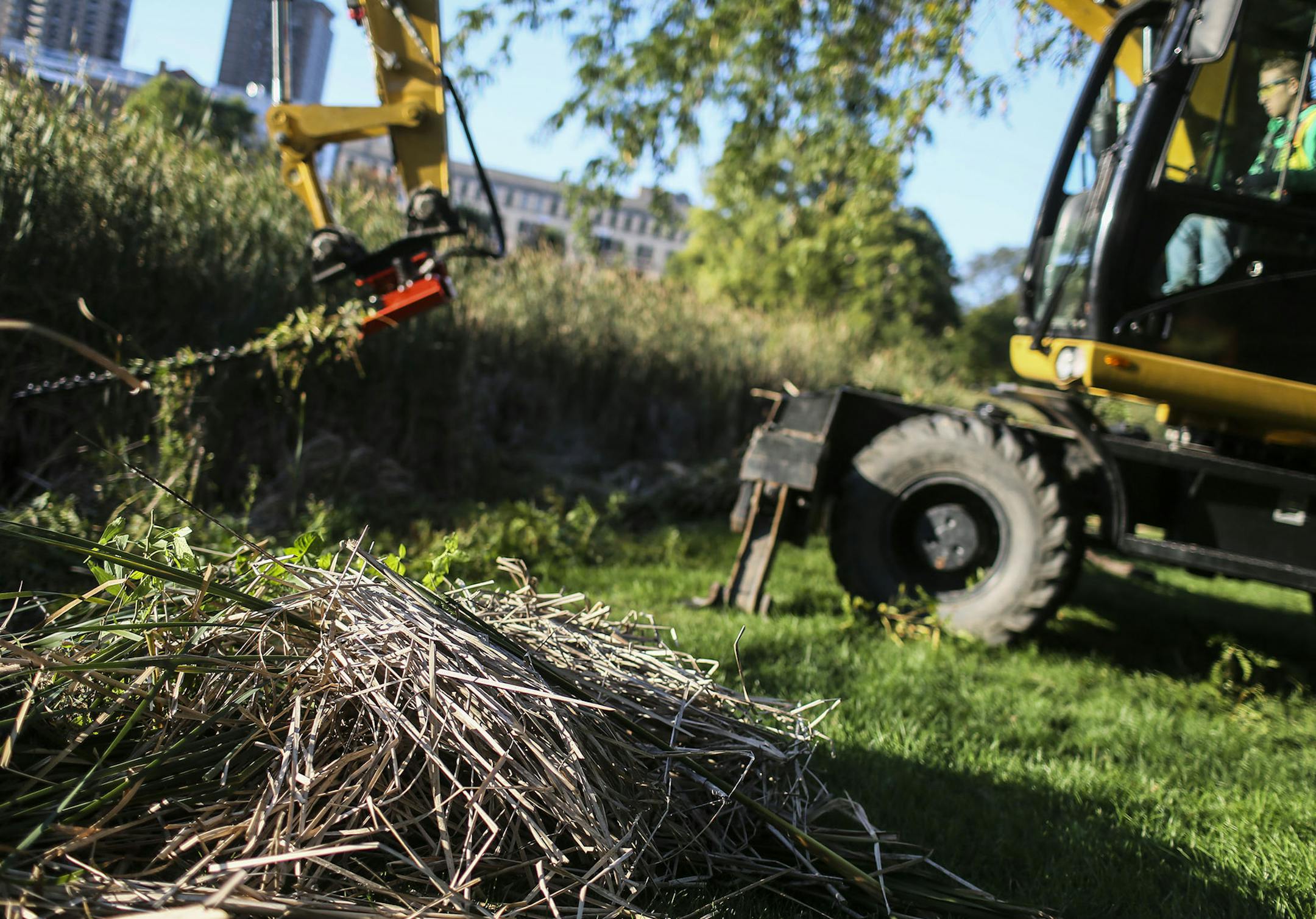
These impaired wetlands still do the job of holding and filtering water, but in the vast majority invasive species such as canary grass and cattails have squeezed out diverse native plants and created dense monocultures that are inhospitable to most birds and other animals.
"Virtually any type of impact, whether altering the water flow or doing physical changes like plowing or increasing pollutant load, tends to favor nonnative species," Bourdaghs said.


