

It's almost been a full year since Grrrl Prty went out with a bang at Rock the Garden, the group's sweltering, swaggering final performance. So it's about time Manchita stepped out on her own, just like her ex-bandmates Lizzo and Sophia Eris have done.
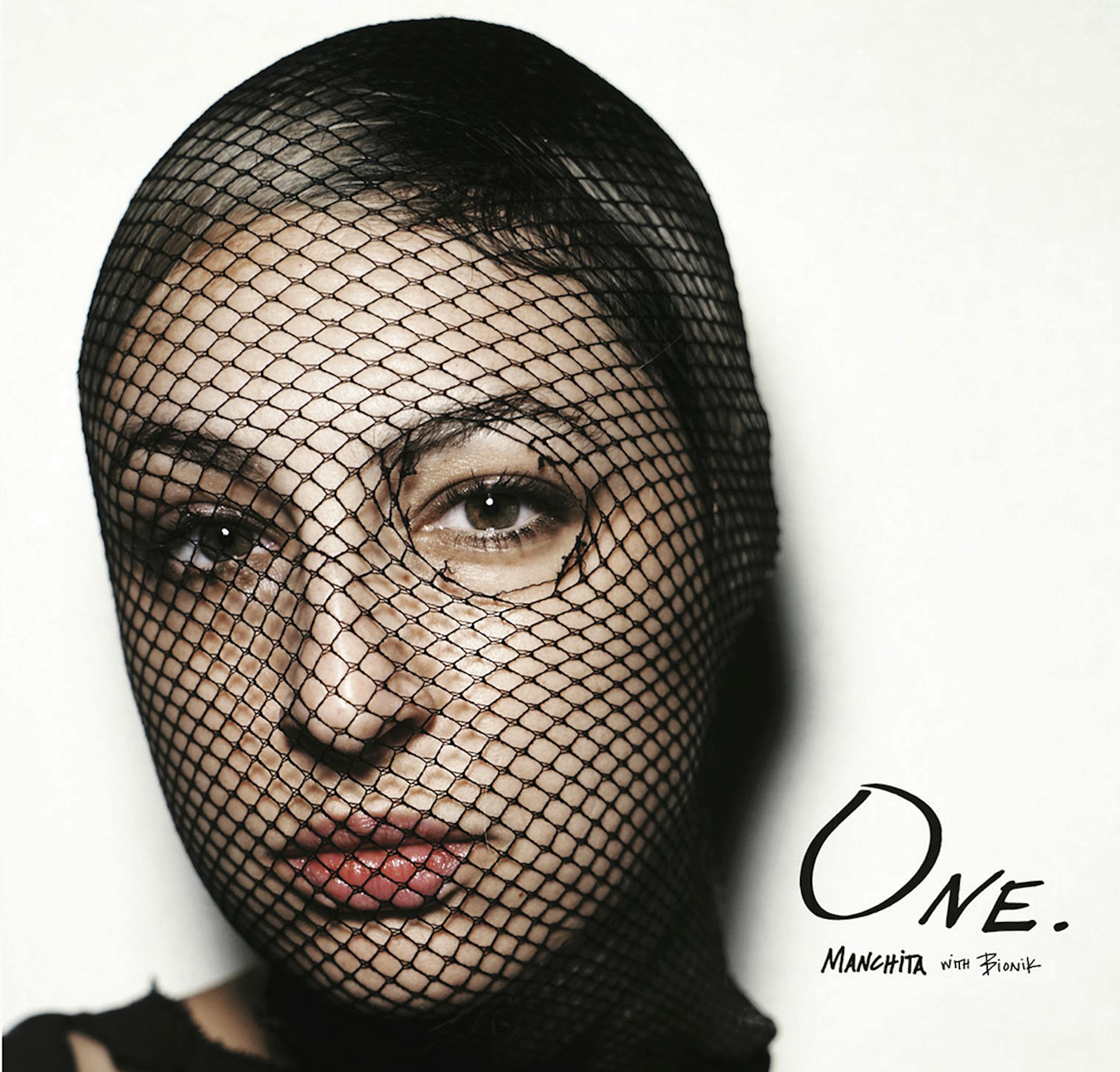
Calling it her "sola" debut instead of "solo" — a nod to both her feminist and Spanish-language leanings — Manchita's new EP, "One," doesn't take what probably would've been the easy route by just rehashing the hyper bass and rowdy roar of Grrrl Prty. Instead, she and producer Stefon "Bionik" Taylor created a more intimate and personal collection with low-tempo, high-density R&B grooves and slower-stewing, contemplative lyrics.
Turns out the West St. Paul-reared rapper/singer — who's heading up a release party Friday at 7th Street Entry — has actually been working toward this moment for almost a decade, going back to when she and former boyfriend Micheal "Eyedea" Larsen made music together in his home studio before his death in 2010.
"I was always afraid to rap around him, because his shadow loomed so large," said Manchita, aka Claire Monesterio, of the late Twin Cities hip-hop legend, who finally heard her rap on a track by Poliça/Marijuana Deathsquads producer Ryan Olson.
"It was one of the last things he heard by me, and he liked it. I felt like he gave me his blessing, and I should keep doing it."
Manchita has kept at it, all right, but she has been working at her own pace in the interim, teaming with several producers over the years in addition to her collaborative work with Slapping Purses, Grrrl Prty and another short-lived all-star group, Tha Clerb. She just never quite jelled with any beatmakers well enough for long-term until she met Taylor, who has also worked with Lizzo, Aceyalone and even (ahem) R. Kelly.
"For me, there has to be a personal connection and a comfort level to work with someone, and I definitely felt that once I got to know his character," she said of Taylor. "That was especially important with these songs."
Some of the songs on "One" aren't personal in the literal sense, but find Manchita reflecting on some of her friends' and loved ones' confidential issues. They range from addiction struggles in the opening track "Cashed" (which she was quick to say is not about Eyedea) to what she called "white privilege and learning to let go" in "Can't Save You." The EP's darkest track, "Shame on Me," reflects on sexual assault from a unique perspective.


