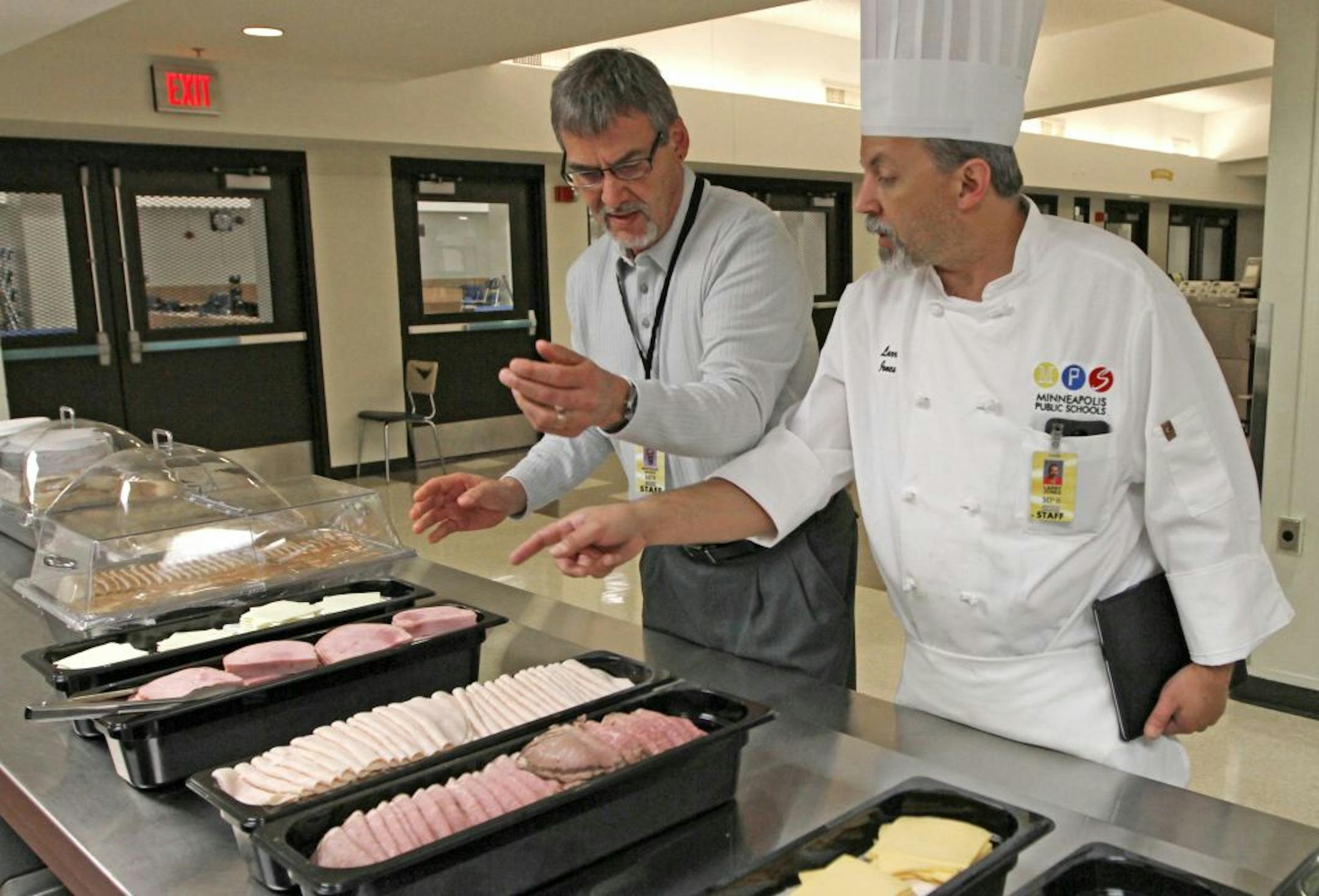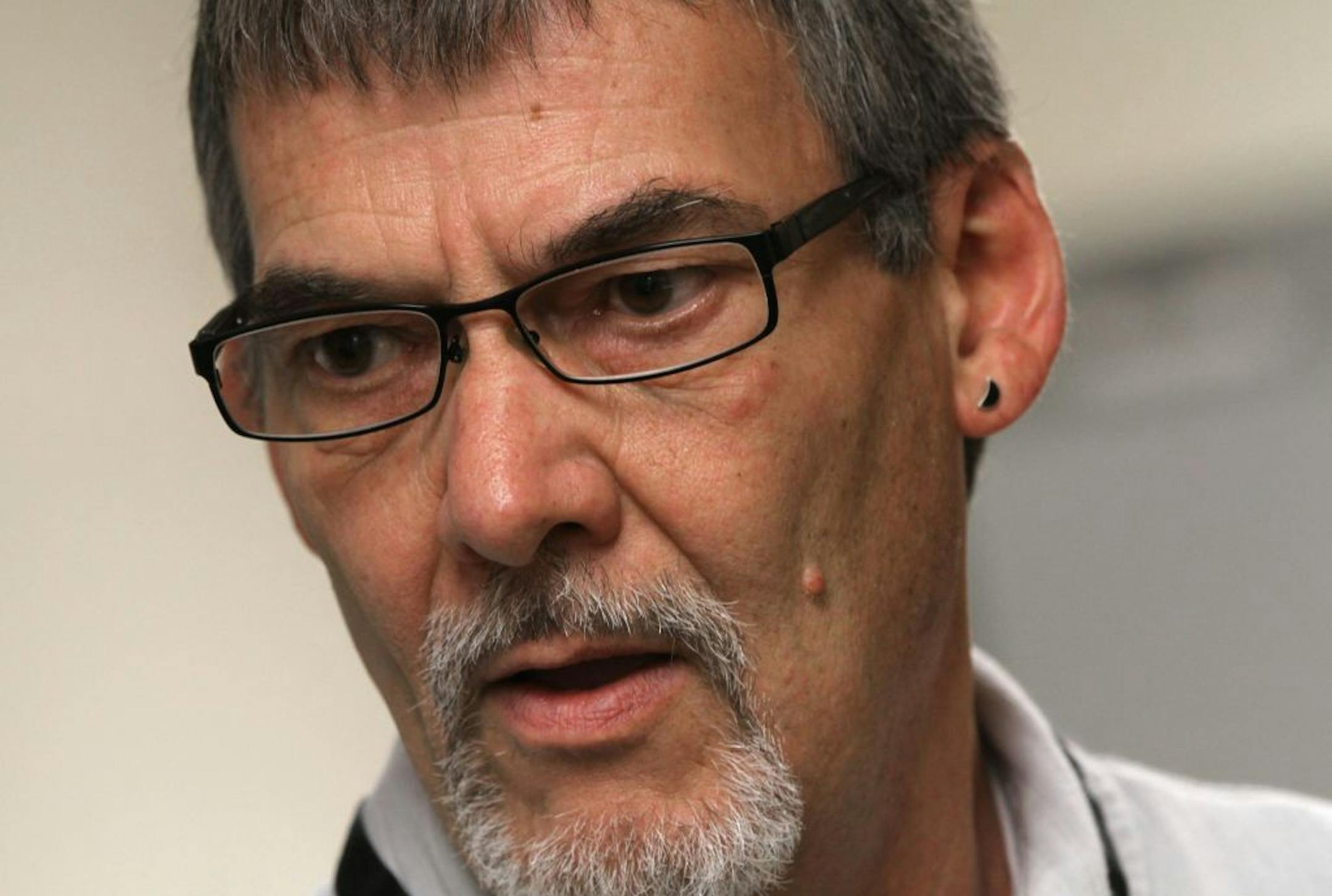
Bertrand Weber still remembers his reaction years ago when he toured the assembly line producing meals in plastic containers for Minneapolis schools: "Why are we sending TV dinners out to kids?"
At the time, Weber was being hailed among the state's school lunch directors the changes he'd made in the Hopkins district, introducing fresh, nutritious ingredients that gave students a choice. Now after six years supplying districts in the private sector, Weber has taken over as the Minneapolis district's nutrition director, overseeing the Plymouth Avenue food facility and bringing big plans to transform what city kids eat.
Students will get wider choices and fresher ingredients, more of them from regional farmers. They'll get more real vegetables -- squash and sweet potatoes, spinach and broccoli -- instead of constant French fries. The district is looking for land for an urban farm that will educate students about what they eat.
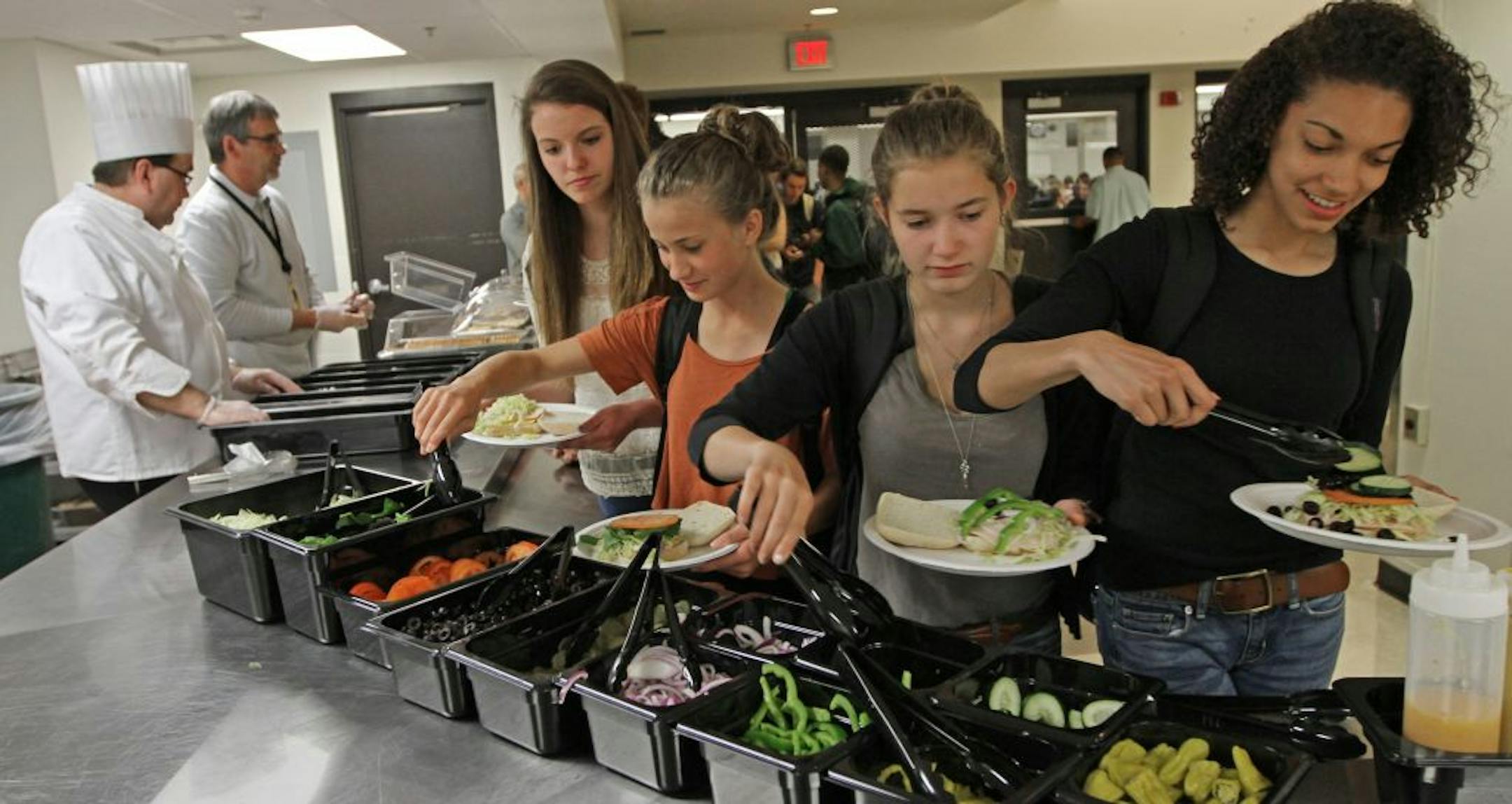
But the proof is in the eating, and judging by student reaction at Washburn High School, where Weber and his staff are testing menus they'll be adding next year, they've hit the mark.
"I feel like I'm in Subway," senior Robert Blue enthused after picking up his make-your-own ciabatta sandwich, with his choice of bread, cheese, meat and toppings. He said he'd talked to the lunch ladies just a week before Weber's weekly tests started a month ago about getting healthier, maybe even organic, food. "I'm in school and I'm eating healthy food," he marveled.
He had company. Washburn students have put the label "Real Food Day" on Thursdays when recipes are tested, like the recent burrito bar that let them select from such toppings as pico de gallo or roasted corn salsa. Students are voting with their forks, too, with the number of kids leaving the open campus for lunch elsewhere down sharply on Thursdays.
Principal Carol Markham-Cousins said her students are responding to the "respect": "You get food that tastes good. People give you options. You act much better."
School lunches long were the dominated by surplus federal commodities. But that landscape has changed, thanks to people like Weber.