

XP Lee hadn't thought much about the census before attending a 2018 meeting on the nationwide population count for his job with the city of Brooklyn Park.
But he sat up when state officials said Minnesota came within 15,000 people of losing one of its eight seats in Congress a decade ago and things were looking even tighter now.
He figured there were thousands of people undercounted in his own Hmong community.
"I realized you only get this one opportunity every 10 years," said Lee, who decided to leave his job with the city to work on statewide census efforts.
In the end, if Minnesota had counted just 26 fewer people in the 2020 Census, the state would have lost one of its seats in the U.S. House, according to population numbers released last week.
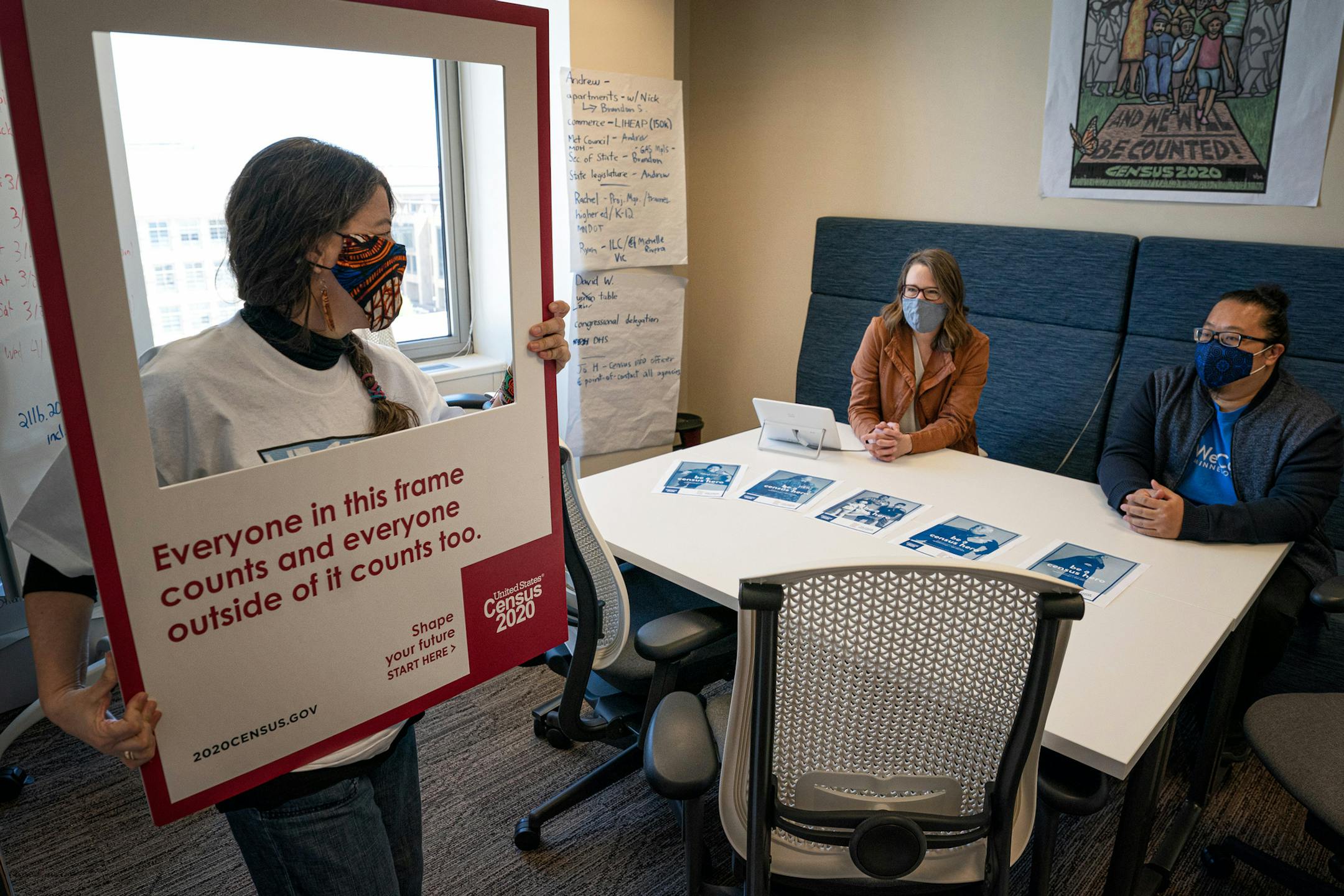
Behind that razor-thin margin was the largest mobilization effort in state history to count as many Minnesotans as possible. Alongside the state, a group of more than 300 cities, counties, advocacy groups and private sector entities put $4 million into door knocking, phone banking, advertising and social media campaigns. They held more than 1,500 events and recruited trusted messengers on reservations and in other communities of color to find people historically under counted by census enumerators.
"When you think about 26 people — every day, every ounce of that effort mattered," said State Demographer Susan Brower, who held the first meetings on the 2020 Census effort as far back as 2015. The Legislature allocated money to the census in 2018, earlier than any other state.
The coalition estimates they reached more than 1.3 million people despite challenges to the decennial population count, including a once-a- century pandemic, technical difficulties and deadline delays.


