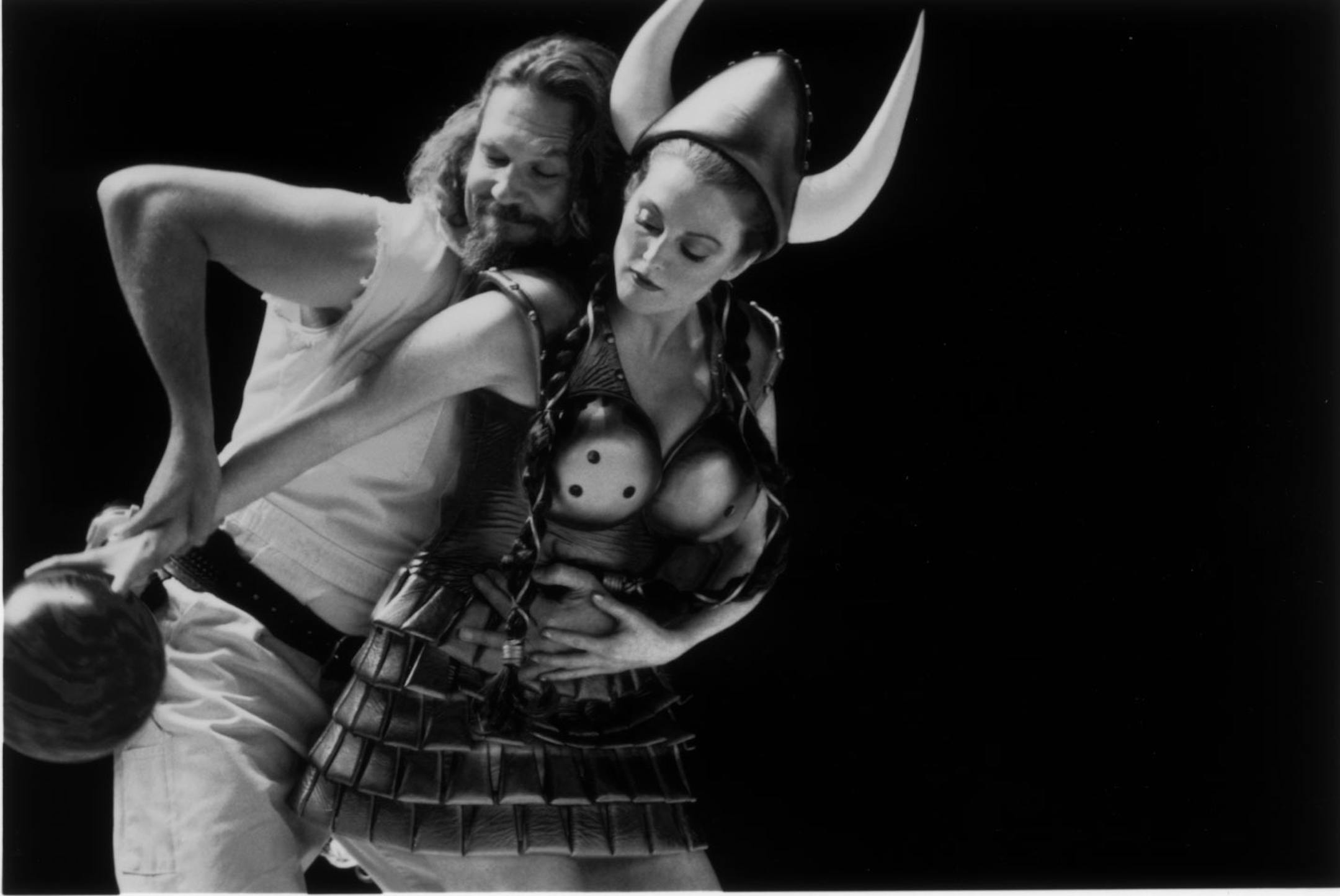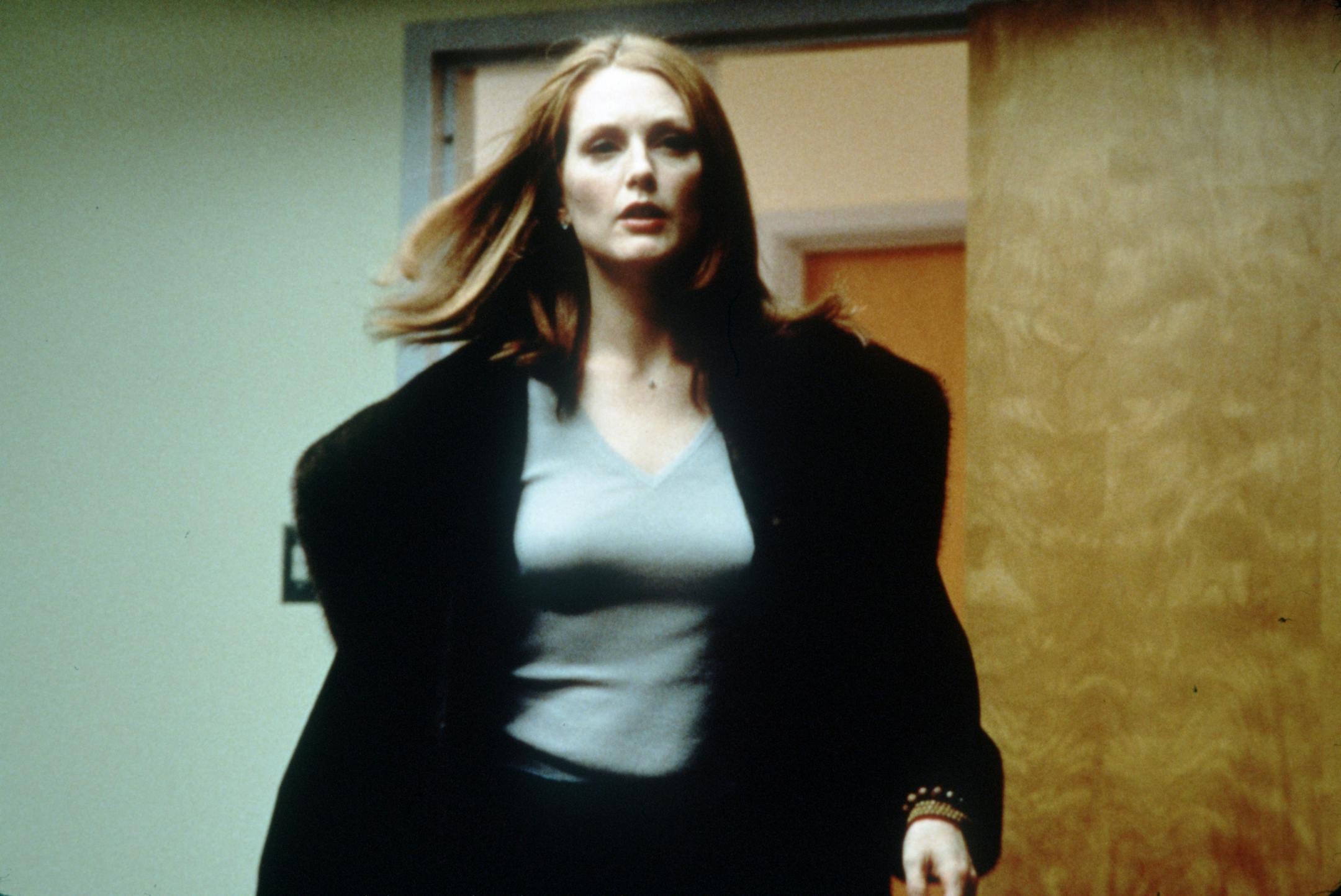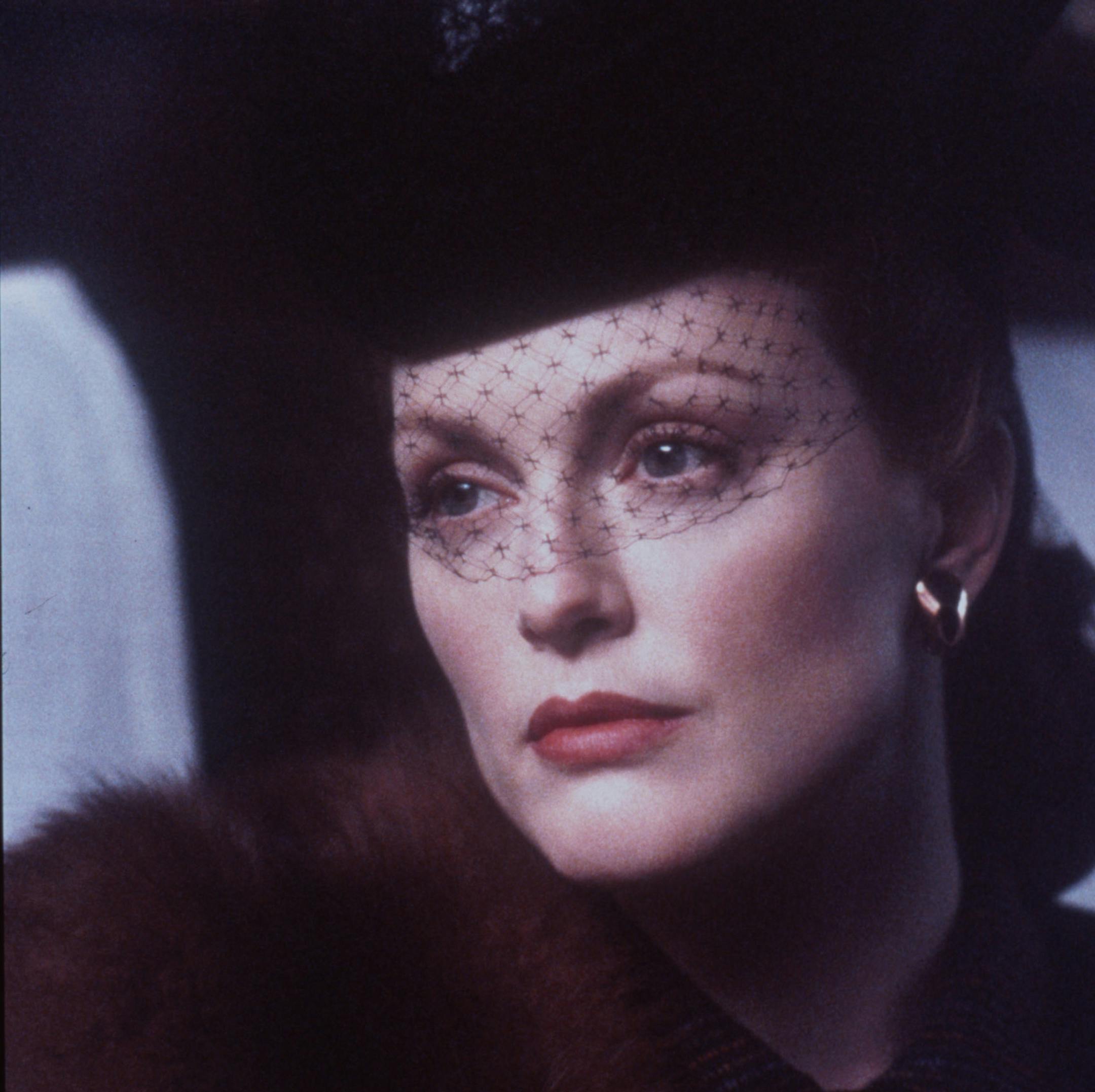
How does a woman who looks as extraordinary as Julianne Moore get away with playing so many ordinary people?
I've sat next to her so I can confirm her skin is luminous and she's one of the few stars who's actually better looking in person than in the movies. In the golden era of Hollywood, that would have consigned her to Greta Garbo/Marlene Dietrich territory, playing goddesses whose feet only briefly touched the ground. But we are fortunate that Moore can turn that glamour on and off, which is why pretty much every top director wants to work with her.
Moore has acted for David Cronenberg, Rebecca Miller, Joel and Ethan Coen, Alfonso Cuarón, Julie Taymor, Lasse Hallstrom, Fernando Meirelles and George Clooney. Heck, she did movies with Robert Altman, Paul Thomas Anderson and Neal Jordan all in the same year.
That was 1999, during the era when Moore chose one unconventional project after another. Once in a while, she'd pop up in a "Jurassic Park" sequel or a Sylvester Stallone caper but scanning Moore's overstuffed page on the Internet Movie Database yields the realization that she works like mad and nobody but movie critics see a lot of her stuff.
Few well-known Oscar winners ("Still Alice," a so-so movie in which she's incredible) have as many hidden gems on their résumés. You can see Moore playing a reckless rock star along the lines of Patti Smith in a drama adapted from a Henry James novella ("What Maisie Knew"). Or a plucky coupon champ in "The Prize Winner of Defiance, Ohio." Or a glamazon in "A Single Man." Or a maniacal heiress in "Savage Grace." Or a freedom fighter in "Children of Men."
Come to think of it, none of those people sounds all that ordinary. Moore can disappear into characters who are mothers, teachers or Joan Baez ("I'm Not There") because she locates the specific behaviors that help us believe in them. Not only is Moore wildly different from film to film but her characters often vary within the length of a movie, as if she recognizes that none of us presents the same face to everyone.
Take (little-seen) "Gloria Bell," in which director Sebastián Lelio trusts Moore enough to know that he can keep the camera focused on her face while she dances and that the dejected/hopeful/jubilant story of her character's life will play across her features.
"I don't think I come at acting ever from a performative place," Moore has said, somewhat surprisingly. A voracious reader all her life, she said, "I like the feeling of being in the middle of a story and when I started acting, that's what it felt like: being inside a book."