

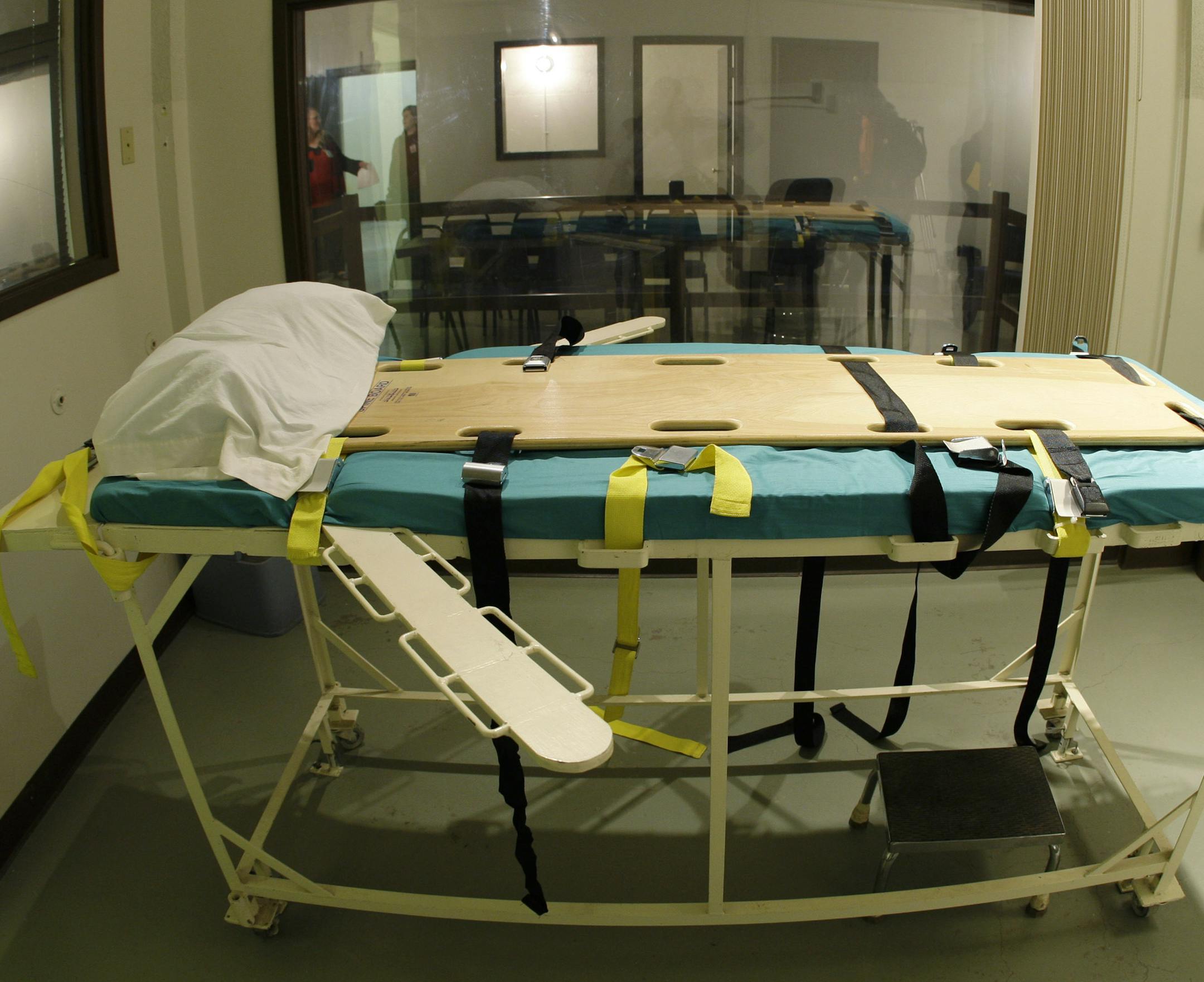
BRUSSELS – There's one big reason the U.S. has a dearth of execution drugs so acute that some states are considering solutions such as firing squads and gas chambers: Europe won't allow the drugs to be exported because of its fierce hostility to capital punishment.
The phenomenon started nine years ago when the European Union banned the export of products used for execution, citing its goal to be the "leading institutional actor and largest donor to the fight against the death penalty." But beefed-up European rules mean the results are being strongly felt in the U.S., with shortages becoming chronic and controversial executions making headlines.
In Ohio last month, Dennis McGuire took 26 minutes to die after a previously untested mix of chemicals began flowing into his body, gasping repeatedly as he lay on a gurney. On Jan. 9, Oklahoma inmate Michael Lee Wilson's last words were: "I feel my whole body burning."
E.U. nations are notorious for disagreeing on just about everything when it comes to common policy, but they all strongly agree on one thing: abolishing capital punishment.
The uncompromising stance has set off a cat-and-mouse game, with U.S. corrections departments devising new ways to carry out lethal injections only to confront updated export restrictions.
"Our political task is to push for an abolition of the death penalty, not facilitate its procedure," said Barbara Lochbihler, chairwoman of the European Parliament's subcommittee on human rights.
Europe's tough stance has caused U.S. states to start experimenting with new drug mixtures, even though convicts' lawyers and activists argue they may violate the constitutional ban on cruel and unusual punishment.
In 2010, Louisiana switched from the established three-drug protocol to a one-drug pentobarbital lethal injection, but eventually that drug also became unavailable because of European pressure.


