

The deliberate downing of Malaysia Airlines Flight 17 should not be compartmentalized in East-West, post-Cold War geopolitics. It was a crime of mass murder, and we join the global mourning for the loss of innocent passengers.
While the lives of all 298 on board were precious, it's especially tragic that among those killed were many who had dedicated their professional lives to saving lives through AIDS research.
Their humanitarian work contrasts with the cowardly selfishness of those accused of firing on the jet — Russian-leaning Ukrainian separatists, many of whom received direct support from Russia.
Evidence of the connection continues to mount. On Sunday, Secretary of State John Kerry said that U.S. intelligence agencies tracked the launch of a missile from a rebel-held area in Eastern Ukraine. And the U.S. embassy in Ukraine's capital, Kiev, also confirmed the authenticity of recorded conversations in which rebel leaders boasted about their barbaric act.
Compounding this cruel disgrace, separatists initially blocked access to the crash site, withheld the recovered "black boxes" from the Ukrainian government and, in a particularly despicable insult to victims' families, held hostage the corpses of victims.
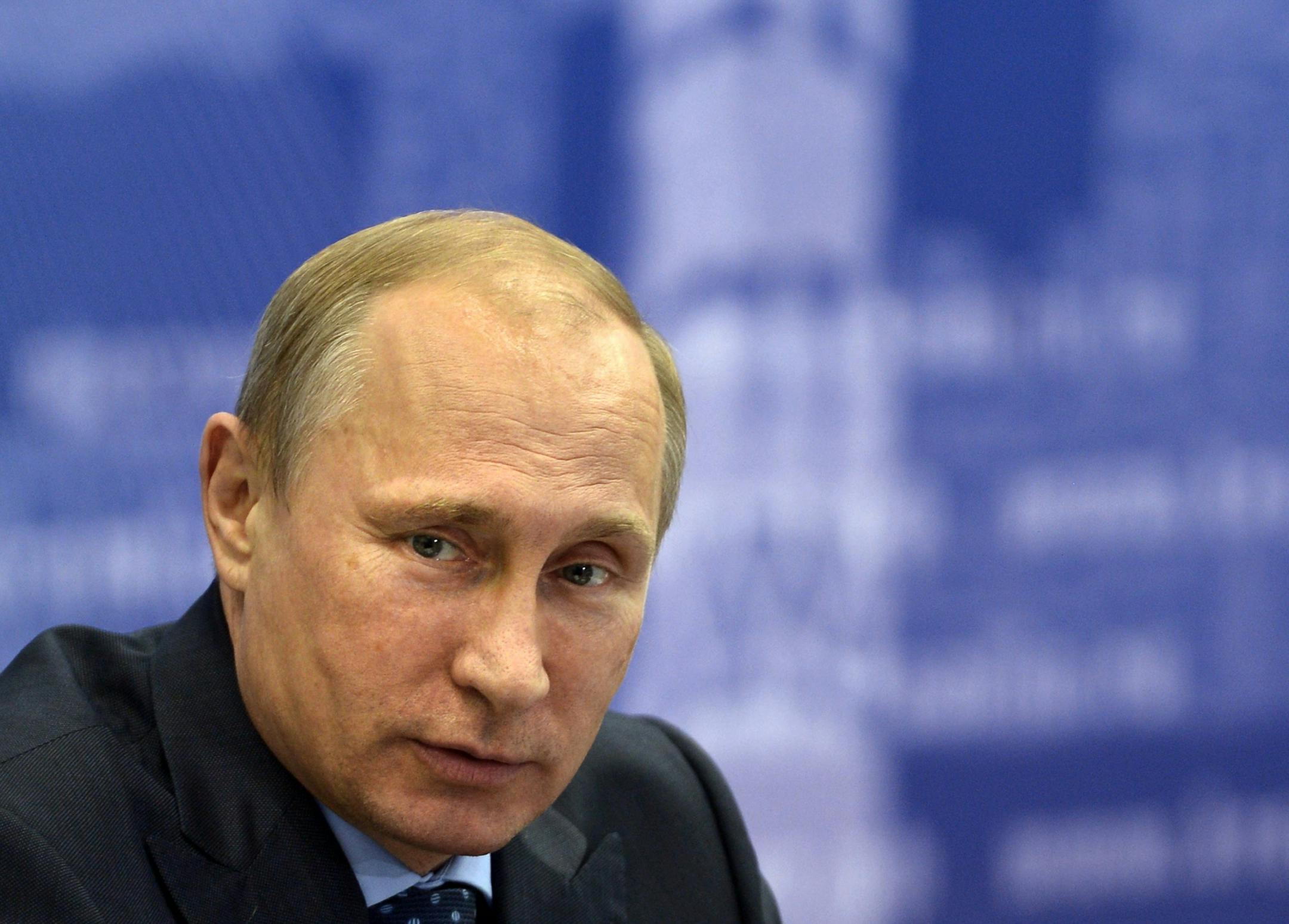
Facing intensifying international pressure, the rebels eventually yielded on Monday and reluctantly cooperated with investigators. Separately, Russian President Vladimir Putin called for access to the crash site and said no one has a right "to use this tragedy to achieve their narrowly selfish political goals."
Even by Putin's low standards, such a statement is highly hypocritical. His government has encouraged, trained and armed many of the separatists. The destabilization has led to a low-level war that has killed scores in Ukraine. And although many in the West unfortunately seem to have forgotten, Russia annexed Crimea in clear violation of international law.
Europe, and the world, should fear that Putin's ambitions are bigger.


