

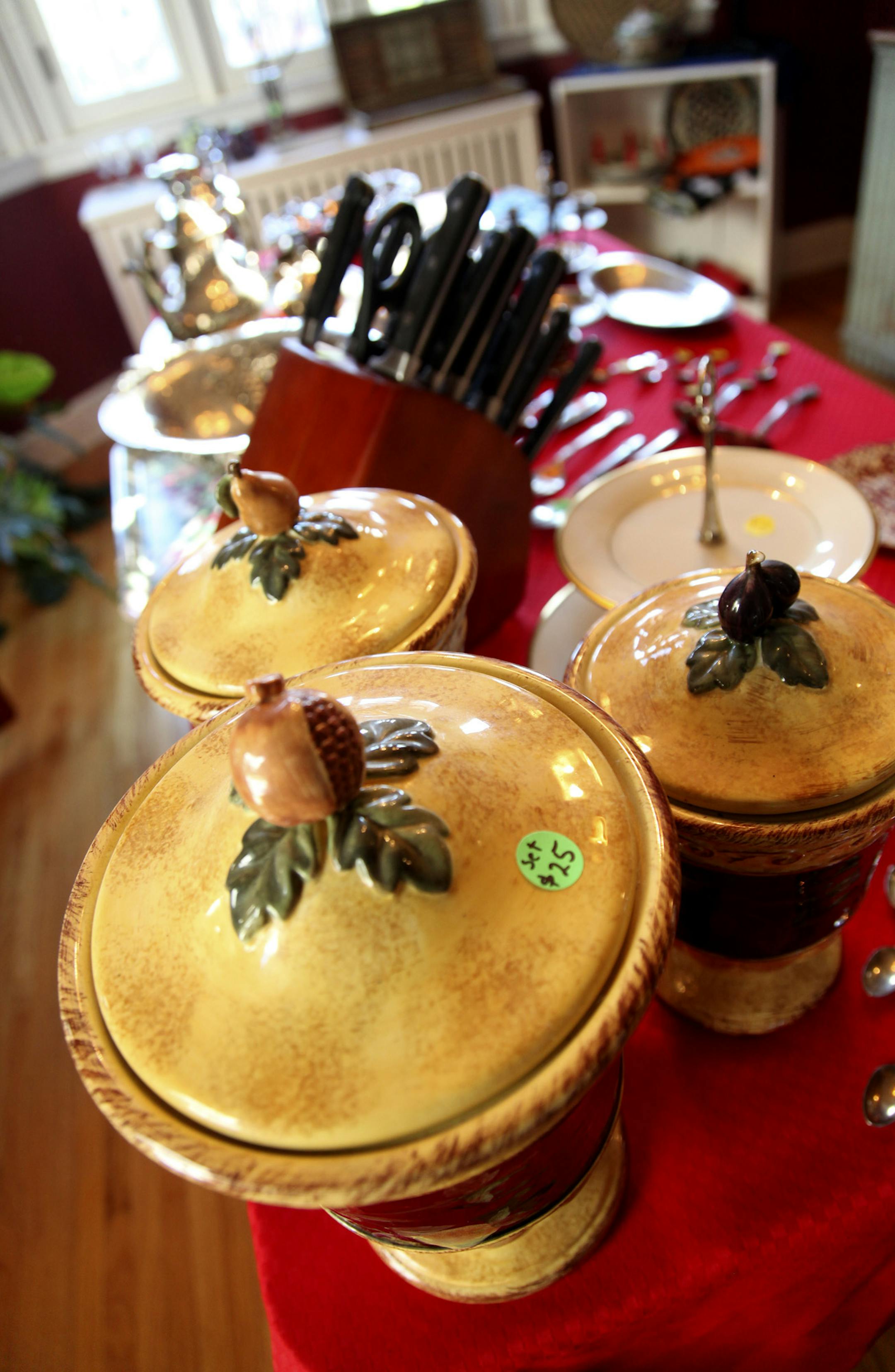
For collectors, antique dealers and garden-variety bargain hunters, there are few happier ways to spend an hour or two than hitting an estate sale.
For more than 20 years, St. Petersburg-based Interbay Estate Sales has been helping homeowners and heirs of the deceased unload furniture, antiques and other items they don't want or don't have room for. Founder Carol Cadden shares tips and stories from the front lines.
Q: How do you price items?
A: A lot of it is just experience knowing what the public will pay. If it's something unusual, we do some research, look online, check auction results or eBay. In my experience, something can sell one day for a price and the next day, if the same item came up again, it would sell for a different price. If we have to negotiate or reduce on Saturday we do — our job is to liquidate, not be looking at something on Sunday and thinking, "What are we going to do with that?"
Q: What are people looking for at estate sales these days?
A: We know what they're not looking for. Victorian furniture is pretty much out, mahogany pieces from the '30s and '40s are just not selling. You get a lot of people from all age groups, all socioeconomic backgrounds who come to these sales. They're looking for certain things that are useful — towels, sheets, cookware. Jewelry is a big seller, doesn't matter if it's junky or costume, it's really big.
Q: How about clothing?
A: Men's clothing does not sell well at all because of all the variety of sizes, sleeve lengths and pant lengths and neck sizes. Women's clothing sells pretty well but just doesn't bring very much compared to other things like jewelry. We do much better with large-size clothes than small clothes. Why? Look around.


