

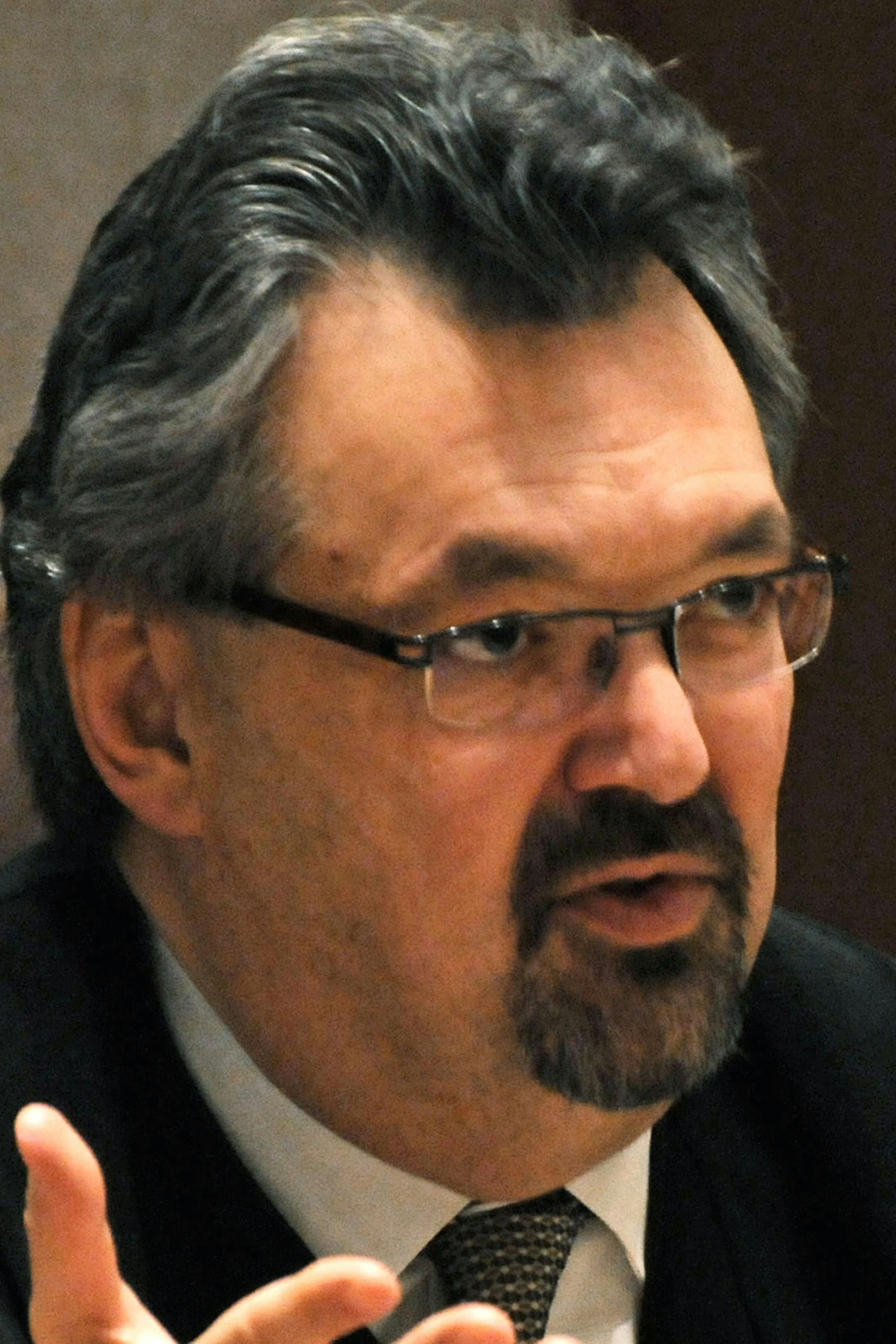
In a sign that he expects prompt action to fix Minnesota's troubled sex-offender treatment system, a federal judge in St. Paul has appointed a special master to oversee litigation challenging the program.
Eric Magnuson, a former chief justice of the Minnesota Supreme Court, will coordinate efforts to correct "serious constitutional problems" identified by the federal court, according to an order filed Thursday.
Magnuson was picked by U.S. District Judge Donovan Frank, who last month ruled that Minnesota's system of confining hundreds of sex offenders indefinitely after they have already completed their prison terms violates the U.S. Constitution.
The appointment is a clear sign, legal experts said, that Frank wants the state to move quickly on reforms to the Minnesota Sex Offender Program (MSOP), which holds about 700 offenders indefinitely at high-security treatment centers in Moose Lake and St. Peter.
Magnuson, now a partner at the Robins Kaplan law firm in Minneapolis, served as chairman of a state task force that called for major changes to the program. In a 2013 report, Magnuson's task force concluded that Minnesota's system "captures too many people and keeps many of them too long." Magnuson also testified in late 2013 before the Legislature, warning lawmakers of court-imposed changes if they failed to enact reforms.
"This decision [to appoint Magnuson] indicates the judge's confidence in the correctness of his ruling, and his determination not to allow procedural maneuvering to delay necessary reforms," said Eric Janus, professor at the William Mitchell College of Law in St. Paul and author of a book on sex offender commitment laws.
Magnuson's appointment came just a day after Frank denied the state's motion for an appeal, and just weeks before an Aug. 10 courtroom conference where the judge expects state leaders to present ways of bringing the MSOP up to constitutional standards. Gov. Mark Dayton, Human Services Commissioner Lucinda Jesson, and Senate Majority Leader Tom Bakk, DFL-Cook, are among those expected to attend. Both Dayton and Jesson have said publicly they disagree with Frank's ruling.
In his June ruling declaring the program unconstitutional, Frank outlined more than a dozen proposed reforms. These include requiring the state to conduct periodic, independent "risk assessments" to determine whether sex offenders held at MSOP still meet the legal criteria for confinement, and the creation of less-restrictive community treatment options for sex offenders.


