"The broken pillar of the wing jags from the clotted shoulder. The wing trails like a banner in defeat."
-- From "Hurt Hawks," a poem by Robinson Jeffers
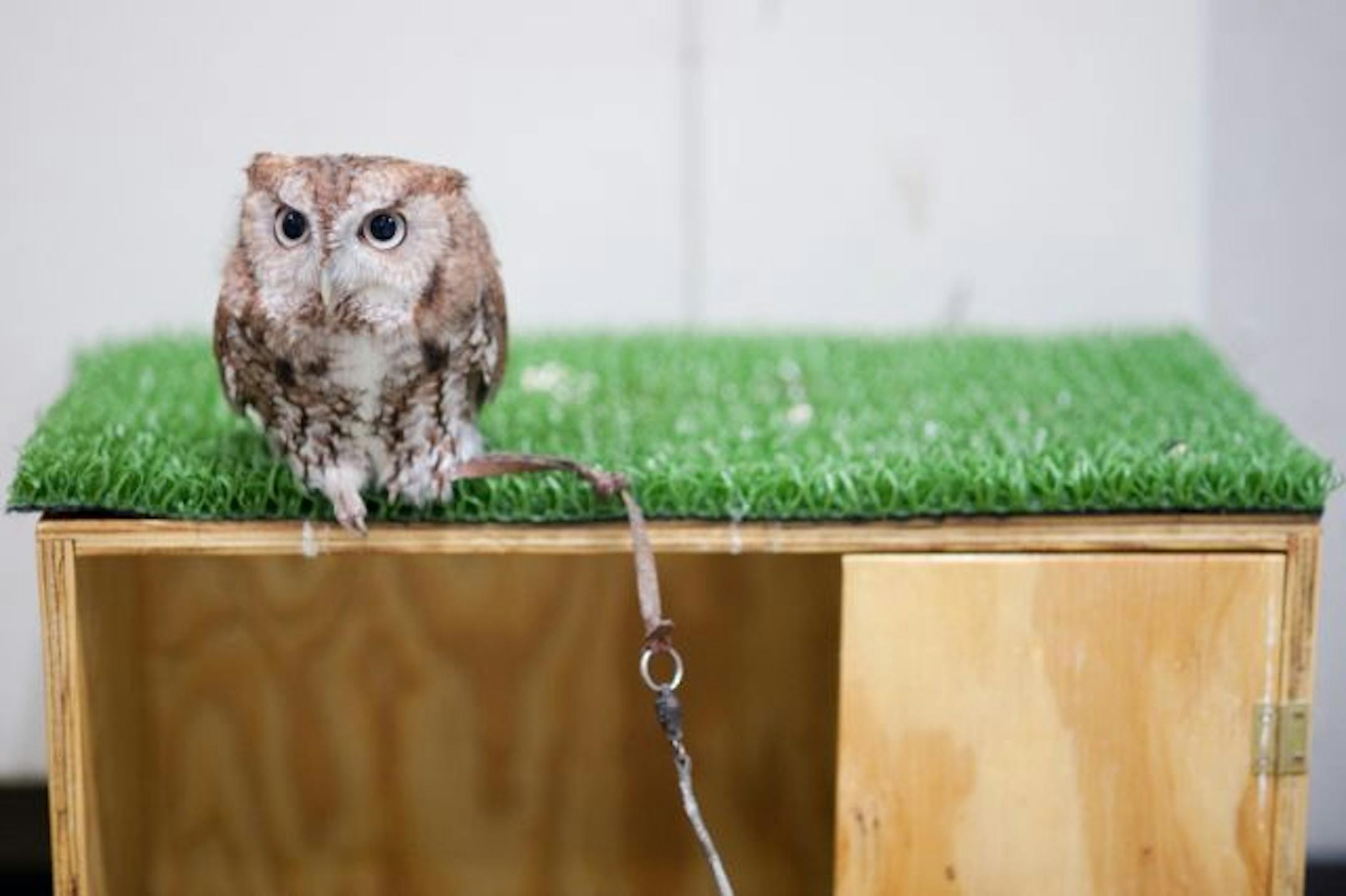
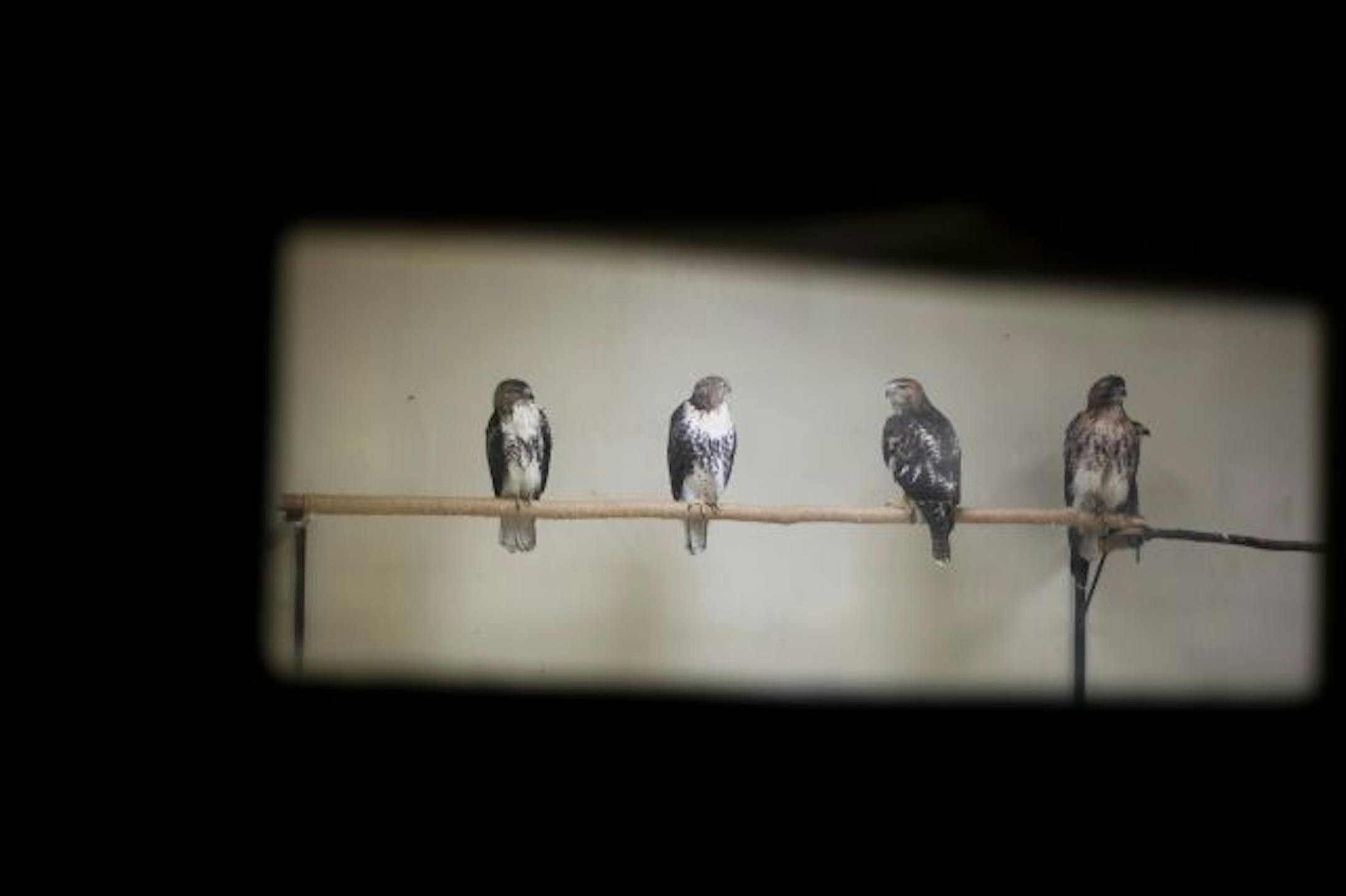
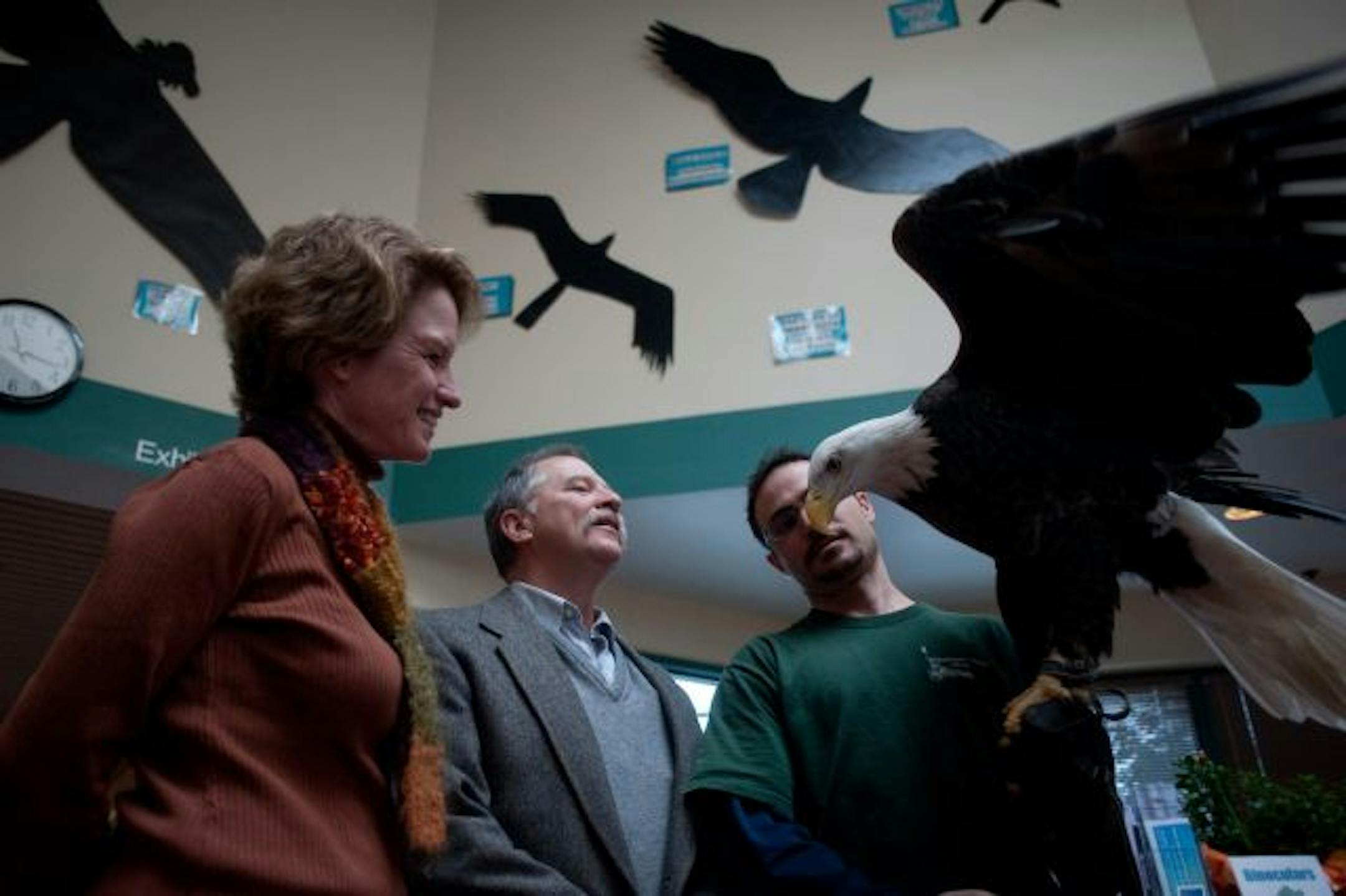
What is it about a bald eagle that makes us watch with such wonder? And then report the sighting to family and friends? Why is a chance encounter with an owl staring back at us with those huge eyes so mesmerizing? And why do we squint into a bright sky to follow a red-tailed hawk effortlessly pirouetting on a thermal?
Hawks, owls, eagles, falcons and other warlords of the sky are aerial predators. Throughout history, these fierce hunters have captivated man. You might say we are enraptured by raptors.
But why?
"Raptors are dominant by almost any measure," observes Dr. Patrick Redig. "They possess speed, agility, amazing sensory powers, and fearlessness. These are traits most of us envy and admire."
Redig should know. As cofounder of the University of Minnesota Raptor Center in 1974, with Dr. Gary Duke, he is arguably the most knowledgeable expert on birds of prey in the world. He has literally written the book on their care. Raptor Biomedicine is in its third revision and viewed as the authoritative resource throughout the bird care universe.
Redig's love affair with these birds began in a third-grade classroom in Hibbing, Minn. A children's book, The Falcon of Eric the Red, published in 1942, caught his eye and his imagination.