

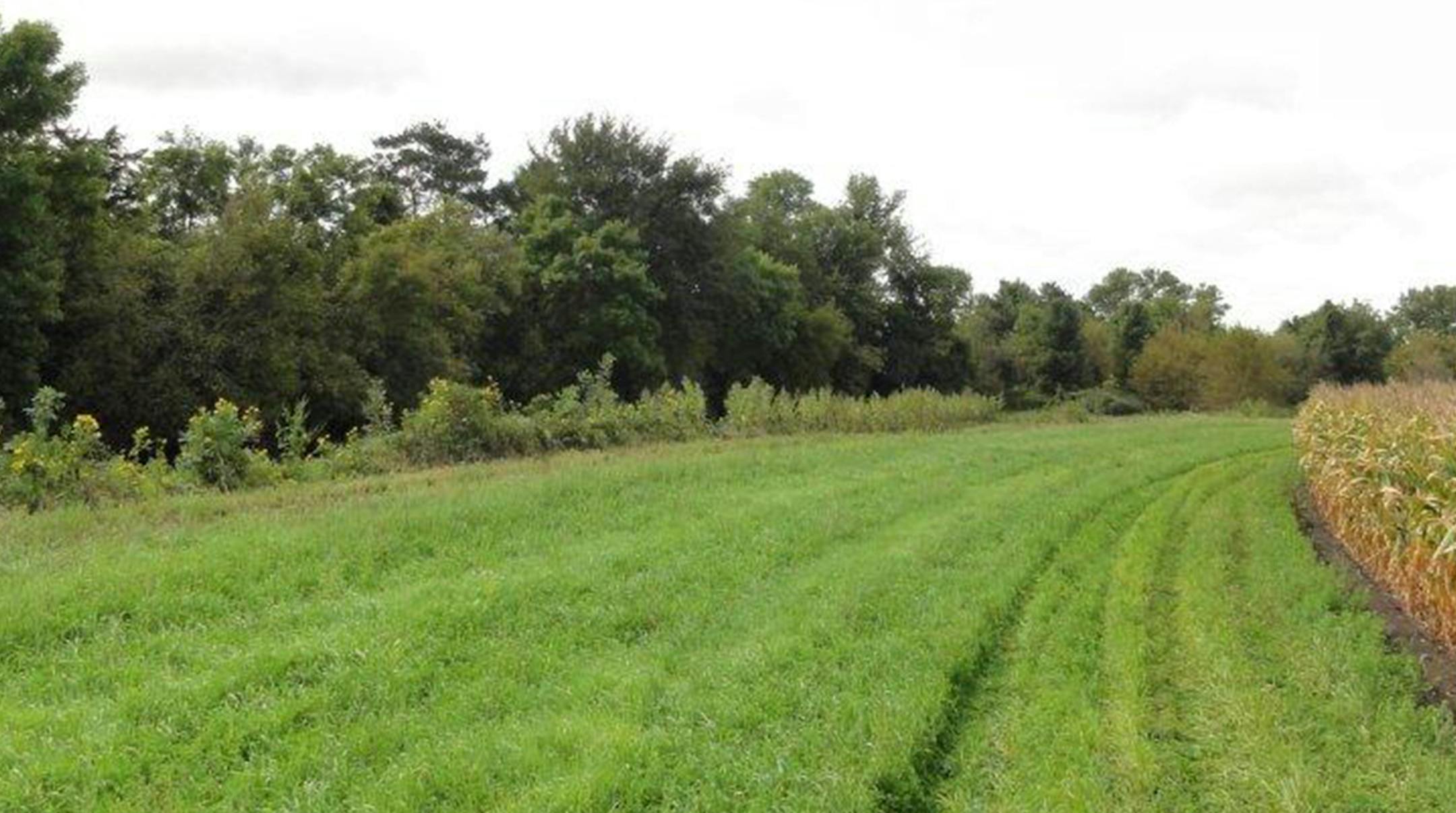
Farmer Ken Betzold has planted 50-foot-wide buffer strips on more than 1½ miles of riverland he owns in Dakota County.
And not entirely for charitable reasons. A state law requires such buffers along some lakes, rivers and streams in agricultural areas. And unlike some Minnesota counties, Dakota County strictly enforces it.
Though the requirement means taking some cropland out of production, Betzold, 72, of Castle Rock Township, sees the benefit of the buffer strips.
"It stops dirt from running into the river, and cleans the water,'' he said. "There's a cost, but you have to weigh that with the benefits to the environment."
A side perk: Those buffer strips also provide wildlife habitat.
"Any time you have permanent vegetation that isn't monoculture, there's a wildlife benefit,'' said Tom Berry, Dakota County water resources supervisor.
While the state's buffer law seems to work in Dakota County, enforcement in some other counties is lax. In 2013, 32 of the state's 87 counties enforced the buffer law, according to the Department of Natural Resources. Another 29 counties told the DNR they had engaged in "non-enforcement" activity to support buffers.
"The short answer is we don't have a good sense of how counties are doing [with buffers],'' DNR Commissioner Tom Landwehr said. "We do know some counties are doing a bang-up job, like Dakota, Olmsted, Otter Tail and others."


