

Opinion editor's note: Star Tribune Opinion publishes a mix of national and local commentaries online and in print each day. To contribute, click here.
•••
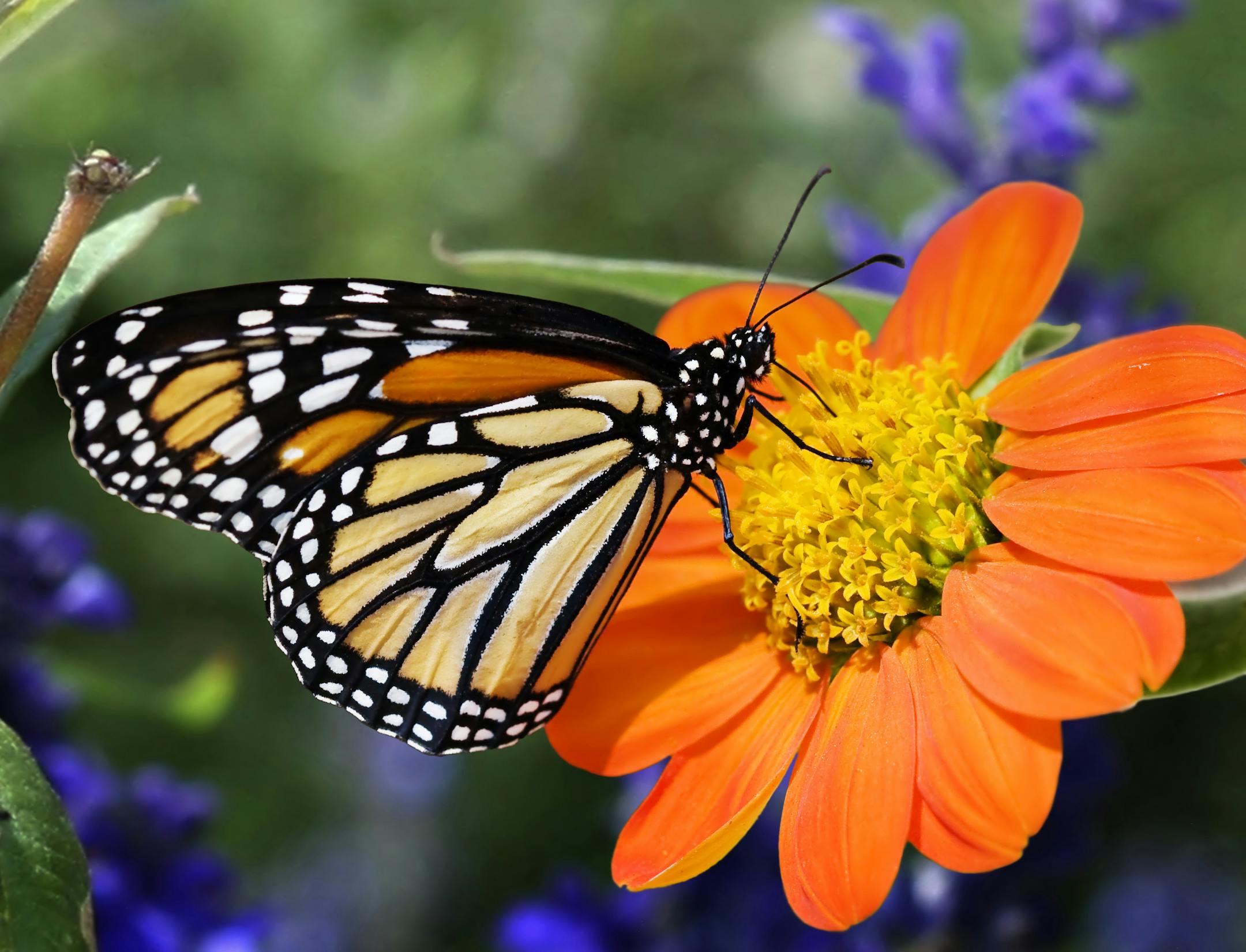
In July, the monarch butterfly was added by the International Union for Conservation of Nature to its red list of threatened species, a recognition that the insect's continuing decline could lead to extinction.
Though the monarch population increased 35% from December 2020 to December 2021, its numbers overall have been in steep decline for the last three decades. The IUCN listing is an alarm about the need to reassess monarch conservation policies across North America.
As a woman born in Mexico and now living and teaching in Canada, I know that nothing is ever simple for anyone who makes their home across borders. I have conducted research throughout the United States, Mexico and Canada, following the struggles of humans and insects migrating across North America. Both have been shaped in harmful ways by the erasure of Indigenous knowledge that supported populations of many species for millennia, and by the globalization policies, border security and toxic agribusinesses that have transformed the landscapes of North America.
Ecological justice for humans, monarchs and other species will come only when we prioritize community livelihoods and ecological decisionmaking beyond borders.
Monarch habitat decline began during the 19th century, as settlers transformed the open prairies in what is now the "corn belt" of the U.S. and Canada. Monarch caterpillars eat only one thing — milkweed, which once grew in abundance in those landscapes. But settlers evicted Indigenous people, whose agricultural practices embraced biodiversity, and brought monoculture agriculture, planting single crops over vast areas and uprooting the milkweed.
In the modern era, one of the main culprits of the monarch's decline was the agrochemical giant Monsanto, now part of the German corporation Bayer. The company's Roundup herbicide decimated the monarchs by killing their host plant. Its pesticides damaged caterpillar growth.


