

Opinion editor's note: Editorials represent the opinions of the Star Tribune Editorial Board, which operates independently from the newsroom.
•••
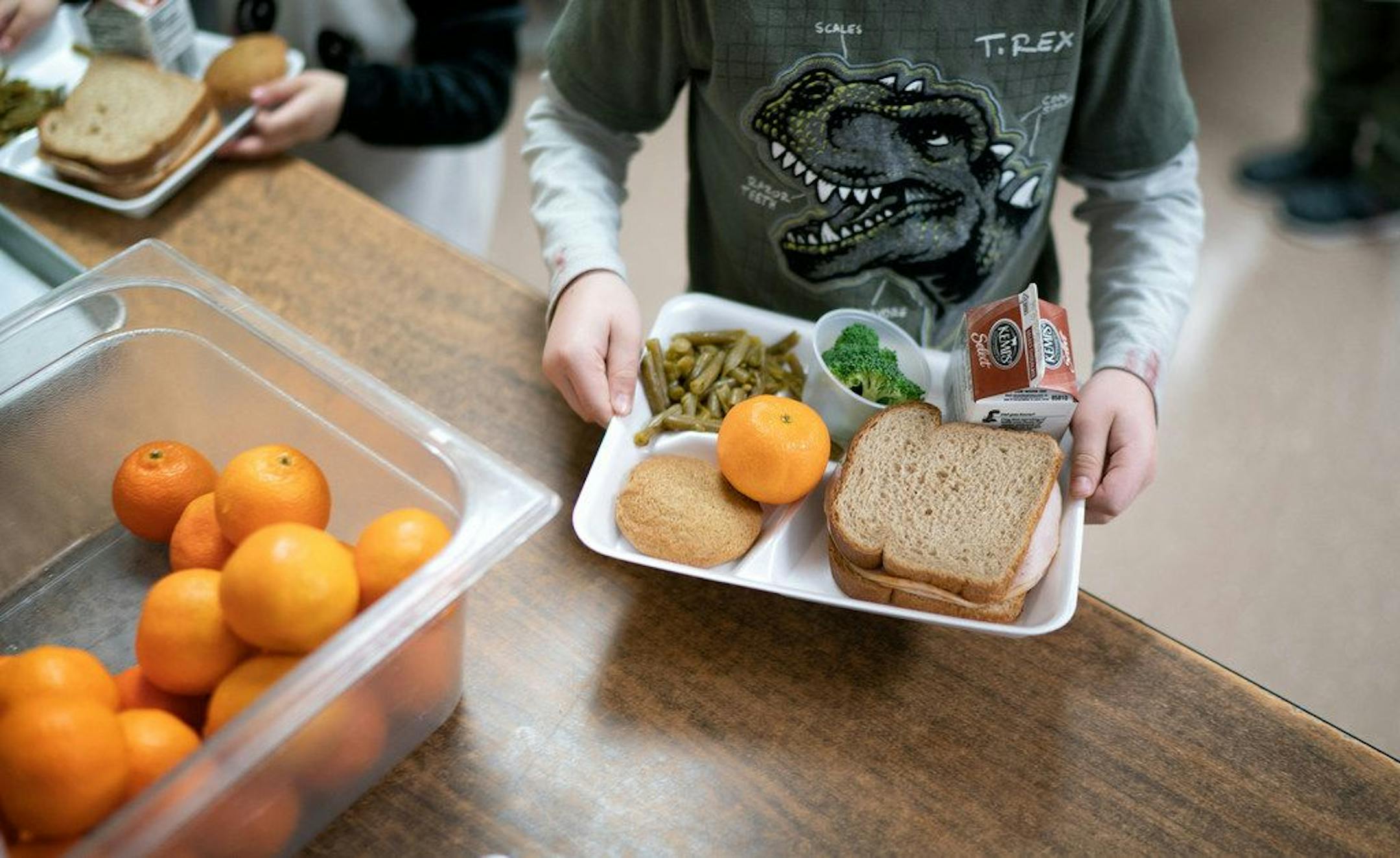
Minnesota took a big, positive step in 2021 to end "lunch shaming," the practice of depriving a child of lunch or offering a substandard meal because of school lunch debt. At the time, federal funds from the pandemic helped ensure that all children received a full, nutritious lunch.
It wasn't the first time the state tried to end this humiliating practice. In 2014, Minnesota was among the first states to pass a law to address lunch shaming. Nevertheless, some schools continued degrading practices that included dumping hot lunches in front of hungry students, substituting a downgraded lunch, or forcing children to take back written notes reminding parents about lunch debt.
In 2021, when the state tried again, it came back with a more specific bill that stated, "A [school] that receives school lunch aid under this section must make lunch available without charge and must not deny a school lunch to all participating students who qualify for free or reduced-price meals, whether or not that student has an outstanding balance in the student's meals account attributable to a la carte purchases or for any other reason." During the pandemic, schools also received special federal funding to feed students, but that ended in June.
Now that school districts are back on their own, too many have reverted to past practices, even though they are breaking state law by doing so. Thankfully, Mid-Minnesota Legal Aid, which has been fighting this battle for years, discovered that more than 100 school districts had policies that still have cafeterias serving downgraded meals — typically the dreaded cold-cheese sandwich — to students whose parents or guardians owe money. In surveying more than 330 school districts, Legal Aid found 124 policies that appeared to violate either the spirit or the letter of the state's new ban.
The survey found that some districts still hold refusal of a meal as an option. Others don't allow classmates to share their lunches with those less fortunate "for health and sanitation reasons." One southeastern district went so far as to withhold milk from first-graders' morning snacks if they owed lunch money.
It is shocking that such practices are still going on, particularly in a state that has a projected $9 billion budget surplus. Schools may struggle to meet budgets, but surely there are other places to economize without depriving 6-year-olds of milk?


