

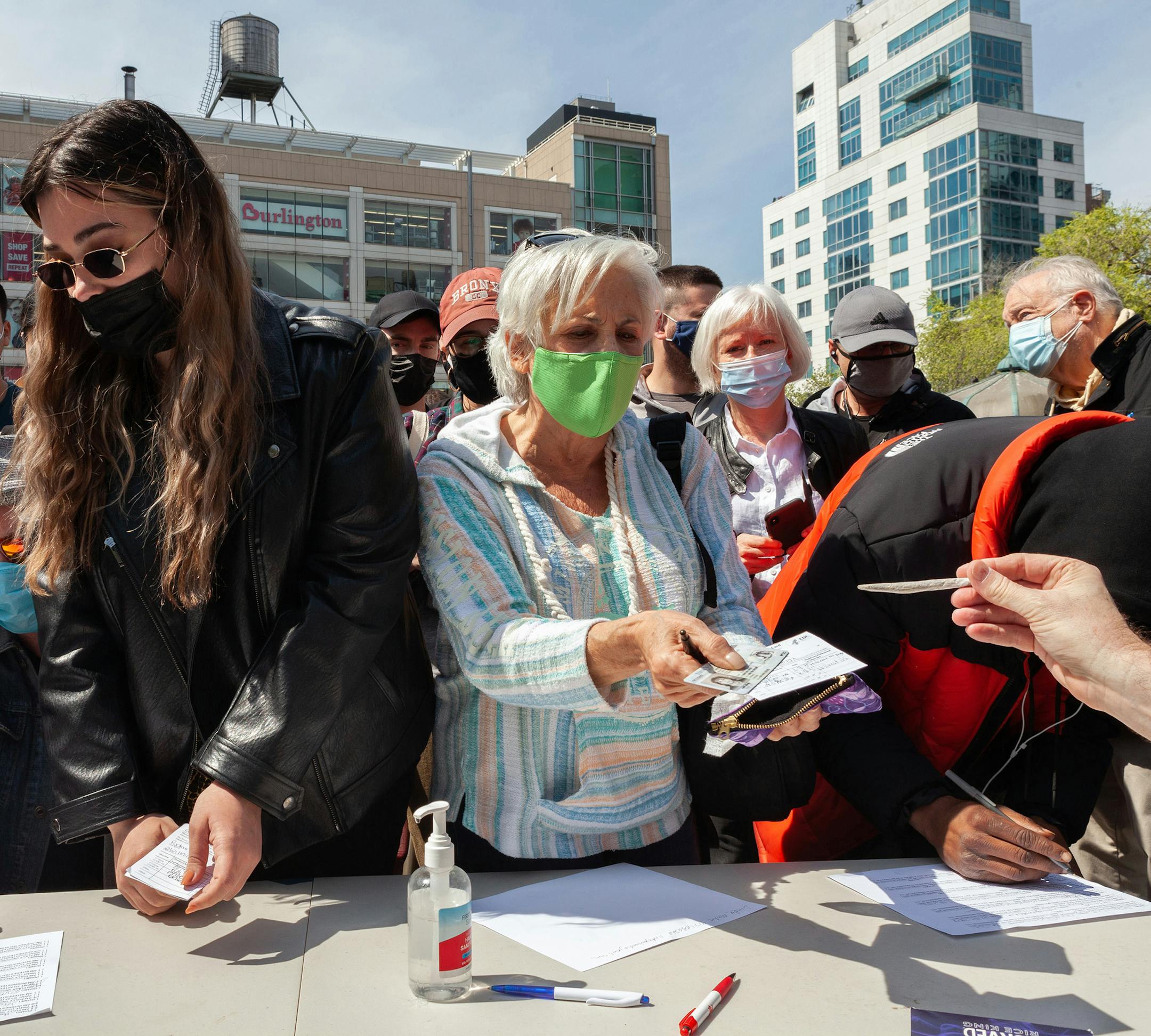
A lottery. Free fishing licenses. Two laps, in your own vehicle, around the famed Talladega Superspeedway.
With the COVID-19 vaccination campaign's pace slowing nationally, states are coming up with creative enticements for those who haven't yet gotten the jab. Ohio, Maine and Alabama, which respectively offered the rewards listed above, merit applause for their promotional savvy. Minnesota has yet to join the fun, but we hope that its elected officials do so soon to help the state hit its 70% vaccination goal by July 1.
If a little lightheartedness can help crush COVID, let's lighten up.
But getting to 70%, and going higher to more effectively stamp out the virus, is going to take more than clever marketing from the state's public health professionals. The private sector continues to have an important role to play.
The state's business community has done commendable work so far. Many Minnesota firms have offered on-site vaccination clinics, for example. Yet a strong down-the-stretch effort to further encourage employee vaccination is critical to propel the state across the finish line.
New data from the respected Kaiser Family Foundation (KFF) put a timely spotlight on employers' ongoing role in combating vaccine hesitancy. Smart policy and communication could encourage a significant number of vaccine holdouts to go get the shot. The nonprofit's findings also suggest that businesses can help achieve "vaccine equity," ensuring that vaccination rates keep pace in minority communities.
KFF does regular surveys on public health issues. Its May 17 report took a deep dive into the reasons why people haven't been immunized. A practical concern surfaced. "Overall, nearly three in ten (28%) employed adults who are not yet ready to get the vaccine say that they would be more likely to get the COVID-19 vaccine if their employer gave them paid time off to get vaccinated and recover from any side effects," the report's authors wrote.
In addition, "Hispanic and Black adults are more likely than their White counterparts to report concerns about missing work to get or recover from the COVID-19 vaccine."

