

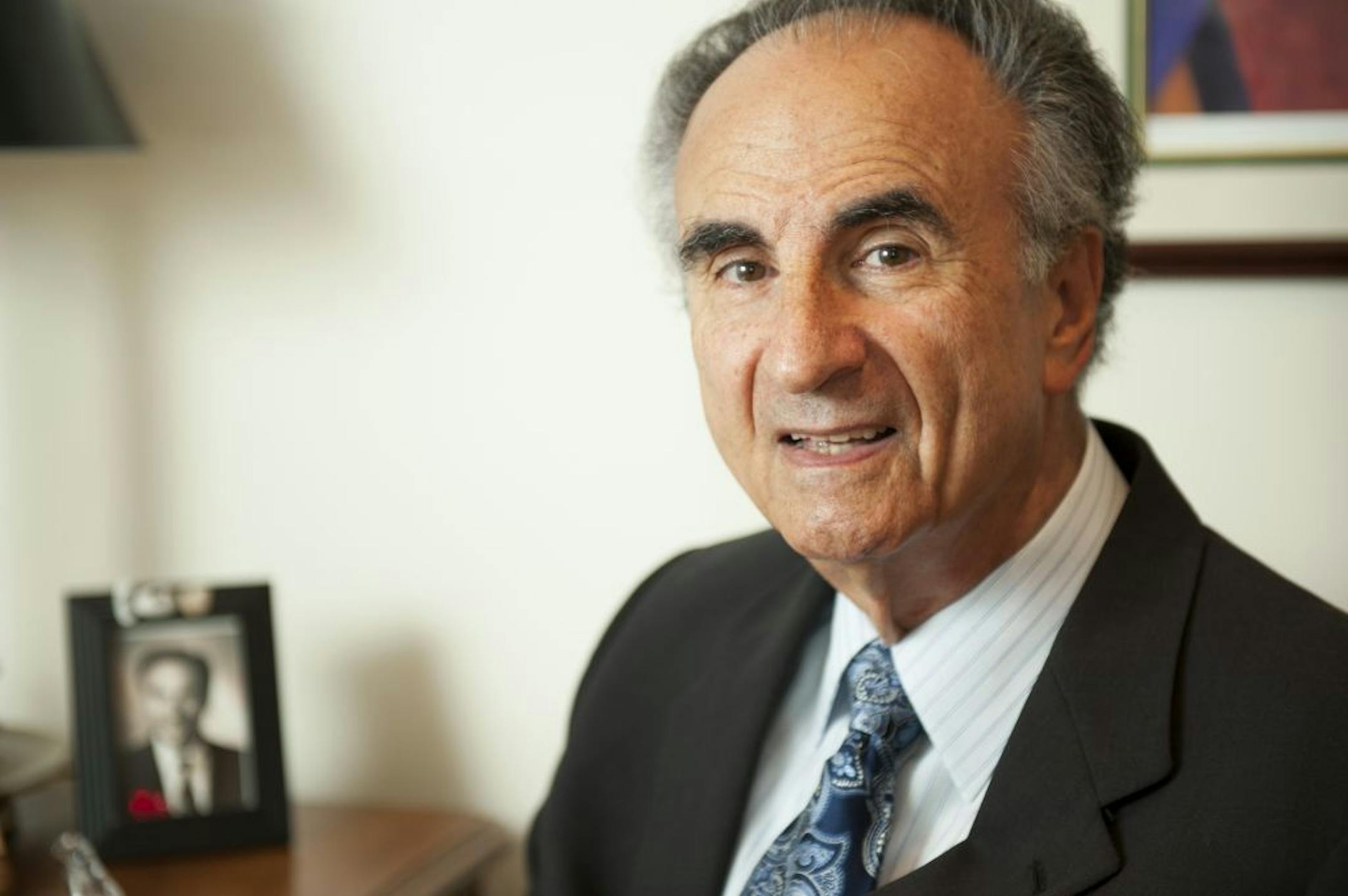
In the summer of 1952, after his first year of dental school at Emory University in Atlanta, Perry Brickman received a letter from the dean. It informed him that he had flunked out.
Brickman was mystified. He had been a B-plus student in biology as an Emory undergraduate and had earned early admission to dental school. He had never failed a course in his life.
Over the next few weeks, Brickman found out that three of his classmates had also been failed. All of them happened to be Jewish. Yet instead of fighting back, Brickman and his friends searched for other dental schools and swallowed a shame that lasted decades.
"Your parents said, 'Why didn't you work harder?'" Brickman, 80, recalled. "My mother said, 'What have you done to me?' ... No one believed us."
Sixty years later, Brickman has helped to see belated justice done. In large part because of his personal research into the anti-Semitic record of Emory's dental school, the university has invited many Jewish former students to a private meeting Wednesday with its president, James W. Wagner, and that same night it will host the premiere of a documentary film about the scandal.
'We need to be fearless'
The evidence of bias against Jewish students in Emory's dental school under the reign of Dean John Buhler from 1948 to 1961 has been known for decades. Until now, however, the university had neither admitted the bias nor apologized for it.
"We need to be fearless in confronting our past as individuals and an institution," said Gary Hauk, Emory's vice president. "There are often things we regret about our past, but there is the possibility of making amends and of building on the acknowledgment of those things. Part of our vision of Emory is being ethically engaged, and that means wrestling about what it means to have these warts."


