
Emerging markets, Syria may dominate G-20

Prospects in Turkey, India, Brazil have weakened.

September 5, 2013 at 1:06AM
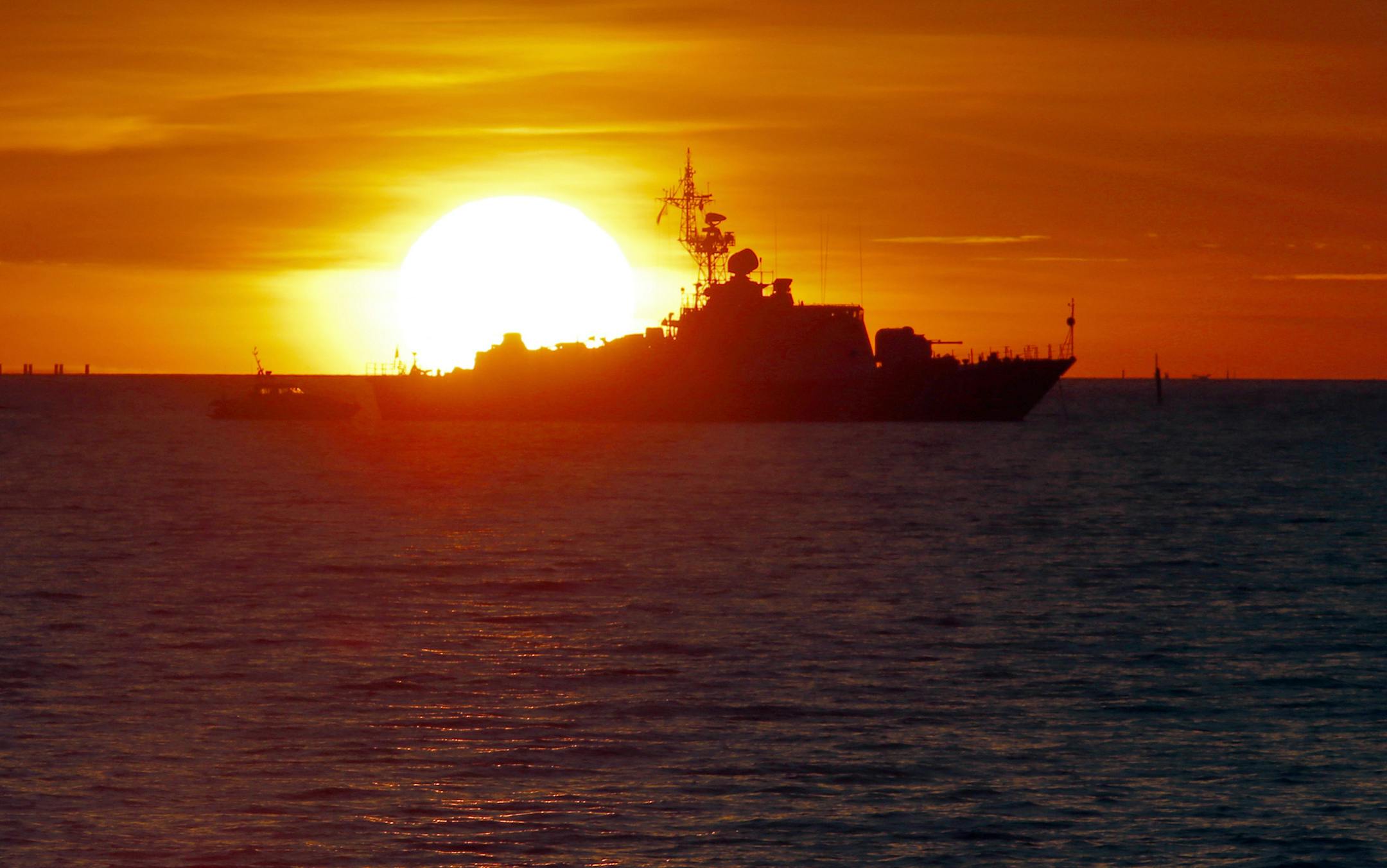
A Russian Coast Guard ship patrols the Gulf of Finland waters outside a G-20 summit at a sunset in St. Petersburg, Russia on Wednesday, Sept. 4, 2013. U.S. President Barack Obama will seek to bolster international support for a strike against Syria during talks with world leaders this week at the Group of 20 summit. Those efforts will pit him against Russian president and summit host Vladimir Putin, who has perhaps done the most to stymie international efforts to oust Syria's Bashar Assad. The G
A Russian Coast Guard ship patrols the Gulf of Finland waters outside a G-20 summit at a sunset in St. Petersburg, Russia on Wednesday, Sept. 4, 2013. U.S. President Barack Obama will seek to bolster international support for a strike against Syria during talks with world leaders this week at the Group of 20 summit. Those efforts will pit him against Russian president and summit host Vladimir Putin, who has perhaps done the most to stymie international efforts to oust Syria's Bashar Assad. The G-20 summit begins on Thursday, Sept. 5. (AP Photo/Dmitry Lovetsky) (The Minnesota Star Tribune)

WASHINGTON – For the first time in several years, the annual G-20 summit won't be dominated by the Eurozone's debt troubles. But that may be little comfort to world leaders gathering this week in St. Petersburg, Russia.

In addition to sharp differences over the conflict in Syria, which is certain to hang over the meetings Thursday and Friday, President Obama and other heads of the Group of 20 major economies have a new economic threat on their hands.

After financial fires were contained in the United States and then Europe, things now are heating up in the emerging economies.

'Chronic complainers'

India, Turkey, Brazil and South Africa are among the member nations whose currencies have tumbled as investors have pulled back from emerging markets in recent months.

The catalyst has been the expected cutback in Federal Reserve stimulus, which is marking an impending end not only of the cheap cash and ultralow interest rates for Americans, but a new era for developing countries that lived high off the hog on the Fed's easy-money policies after the financial crisis. The capital flow out of emerging markets reflects the shifting global landscape: Growth prospects in the U.S. and other advanced nations have improved while those of up-and-coming economies, including China, have weakened somewhat.

"The emerging markets [are] largely viewing monetary policy in advanced economies as causing problems for them," said Eswar Prasad, a senior fellow at the Brookings Institution, "and the advanced economies are basically taking the position that the emerging markets are chronic complainers."

Ever since the G-20 heads united in 2008 in an effort to fight the financial crisis, this self-appointed steering committee for the global economy has struggled to reach consensus on key matters of economic policy. For much of the past five years, the summits have been overshadowed by an outbreak of troubles in Greece and other parts of the euro area and the broader policy question they raised about whether austerity or spending was the best medicine for their economic ills.

The fiscal debate isn't over, though there appears to be wider agreement that countries have gone too far in pushing austerity programs. And with the eurozone debt problems having eased — and the region showing signs of emerging from its recession — the sense of urgency at the G-20 has lifted.
Analysts said the working sessions will touch on an even wider range of issues than before, including trade liberalization, sustainable development, financial regulation, tax avoidance and global warming. The broader menu of topics suggests a return to more normal times as world leaders shift their focus from acute to chronic economic problems, from the short term to medium term.

'Not entirely engaged'

Yet even as leaders consider goals on spending and debts, they are expected to water down any commitment by avoiding hard targets, such as debt-to-GDP ratios, instead going with a more general agreement that countries will lower their debts, said Domenico Lombardi, a G-20 expert at the Center for International Governance Innovation in Canada.

"Countries are very much immersed in their own domestic issues and are not going to be entirely engaged in the G-20 agenda," he said, noting that many nations are trying to forge bilateral or regional trade and economic deals as opposed to multilateral ones.

Leaders this week also will be preoccupied by Syria and reports it used sarin gas against citizens. While Syria isn't on the formal agenda, Obama is likely to make a push during meals and informal sessions to generate support from world leaders for a military push.

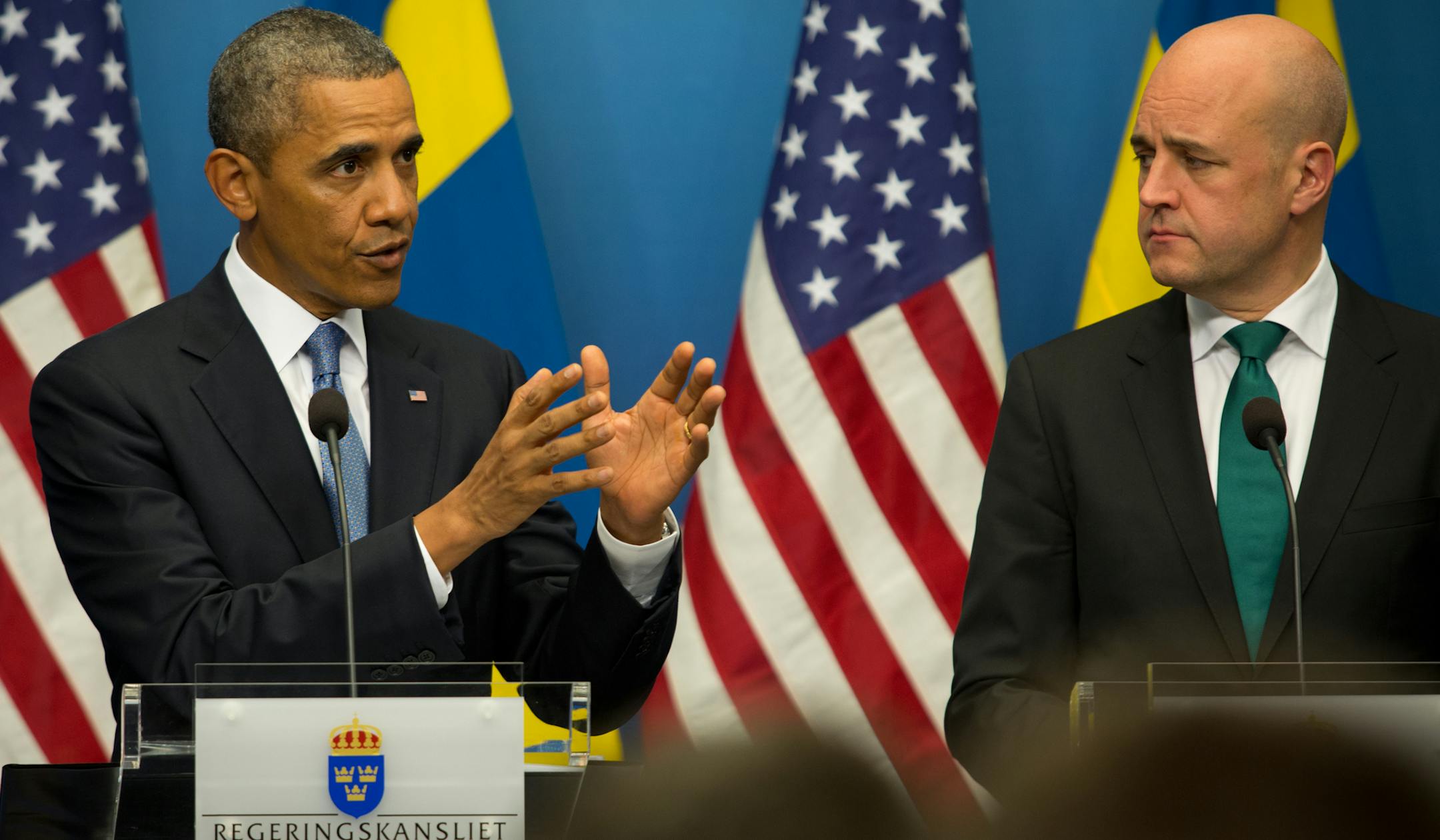
U.S. President Barack Obama with Prime Minister Fredrik Reinfeldt of Sweden during a joint news conference in Stockholm, Wednesday, Sept. 4, 2013. Obama was discussing a question on surveillance by the National Security Agency. On Thursday Obama arrives in St. Petersburg, Russia, to attend the G20 summit. (Stephen Crowley/The New York Times) 30140828A-Sept. 4, 2013, PREXY/G20--STOCKHOLM, SWEDEN-President Barack Obama discussing NSA and spying during a joint press conference with Fredrik Reinholt
President Obama, with Prime Minister Fredrik Reinfeldt of Sweden, will likely keep focus on Syria at G-20. (The Minnesota Star Tribune)
about the writer

about the writer

Don Lee Tribune Washington Bureau

More from No Section

See More
FILE -- A rent deposit slot at an apartment complex in Tucker, Ga., on July 21, 2020. As an eviction crisis has seemed increasingly likely this summer, everyone in the housing market has made the same plea to Washington: Send money — lots of it — that would keep renters in their homes and landlords afloat. (Melissa Golden/The New York Times) ORG XMIT: XNYT58
Melissa Golden/The New York Times

It’s too soon to tell how much the immigration crackdown is to blame.