Minnesota summers are short, and for the state's elk population, that's just fine.
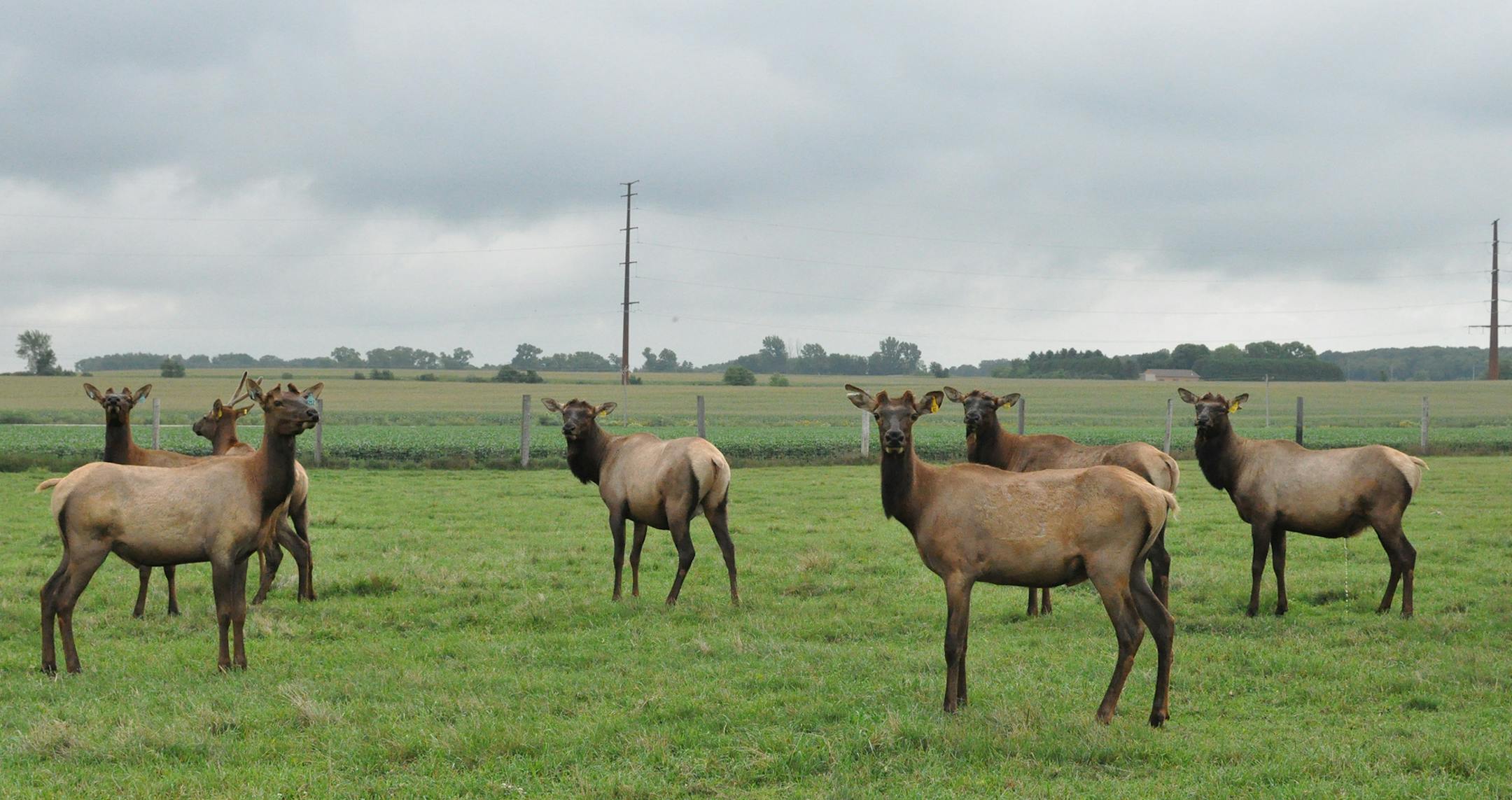
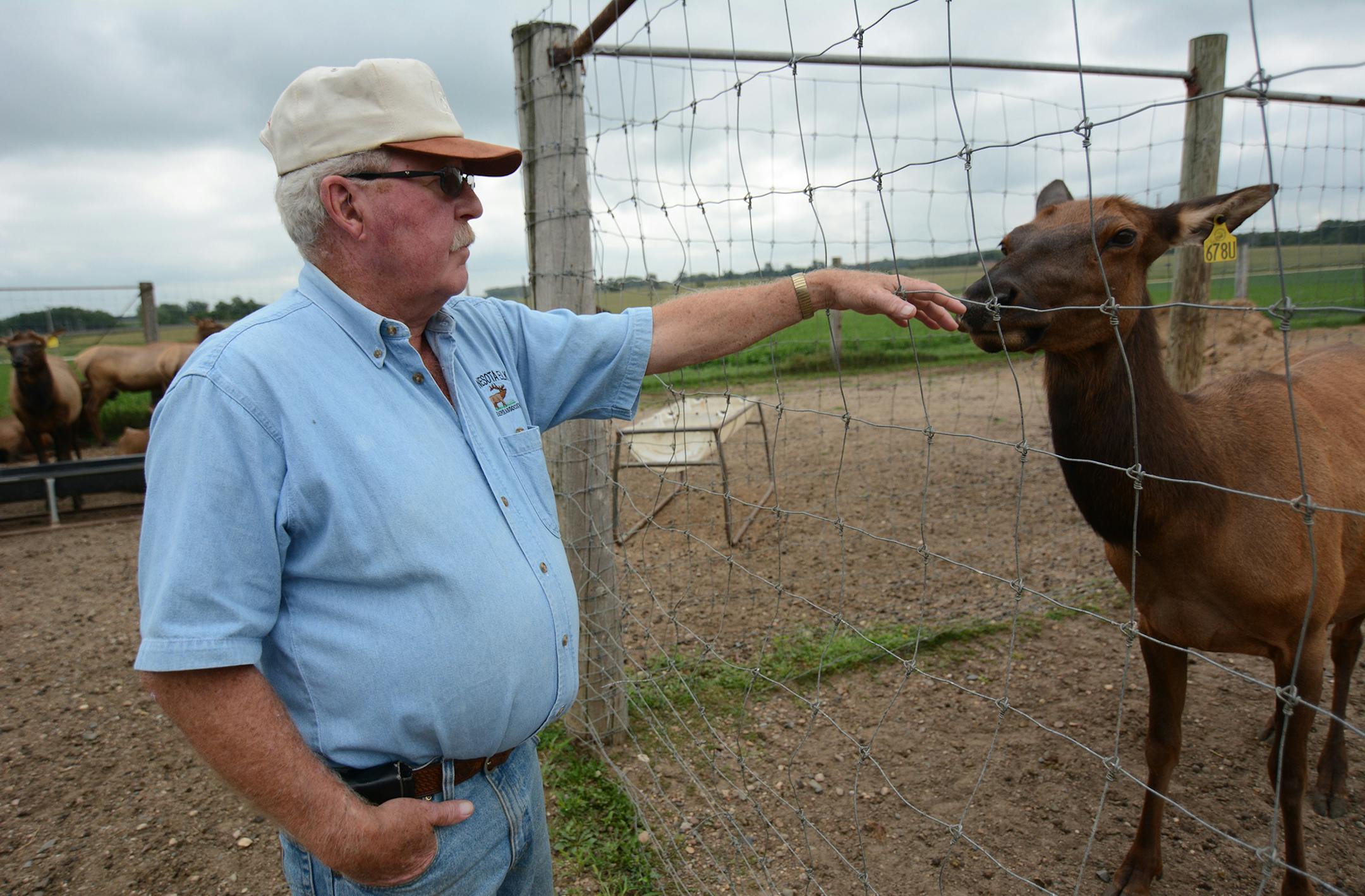
"They love the cold weather," said Gary Smith, who keeps a herd of about 40 on his Elk Haven Farms just south of Farmington. At temperatures of 20 below, even though there is plenty of shelter, he'll often find them in the yard, "with an inch of snow on their backs," he said.
The calves, he said, "play king of the mountain on the piles of snow."
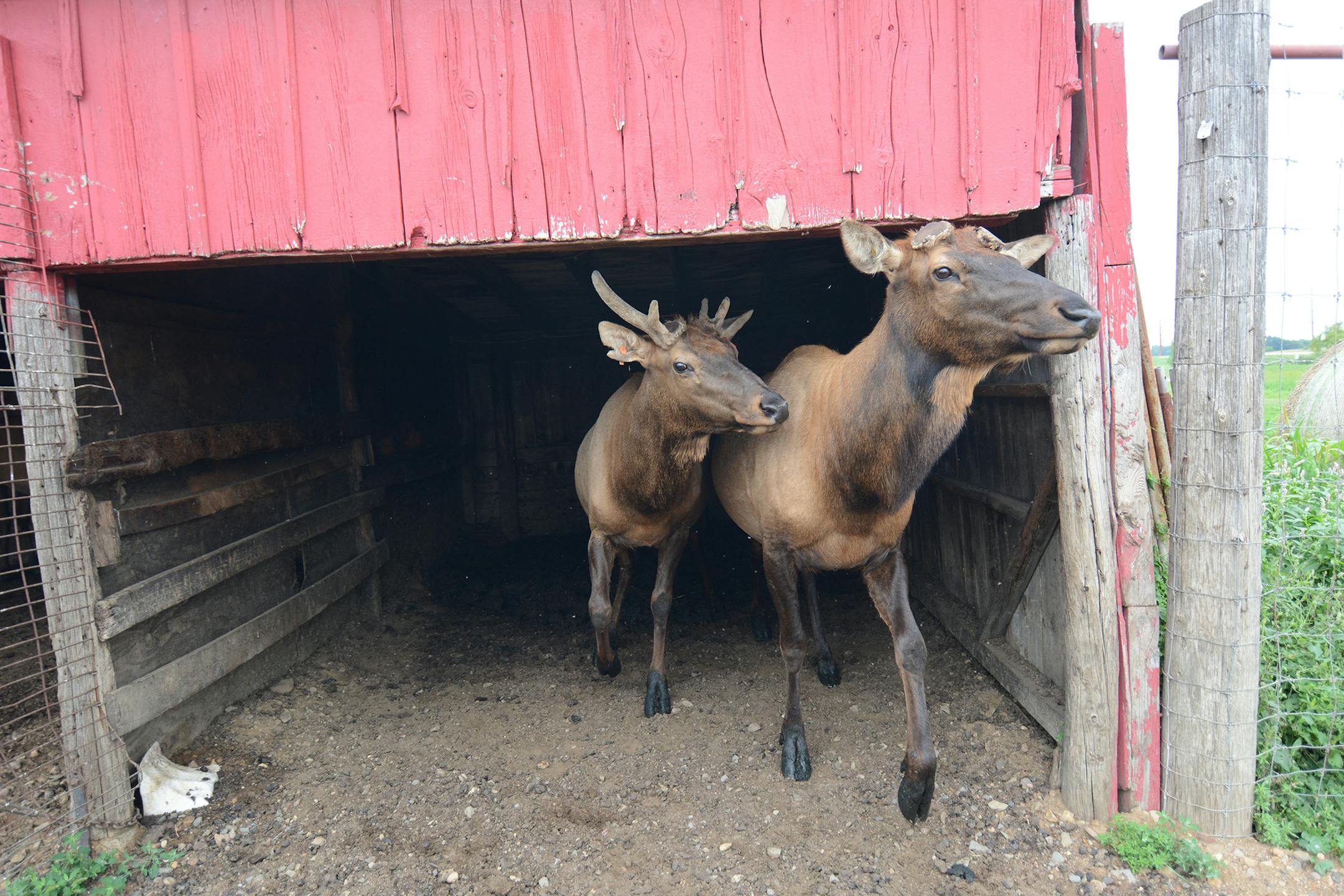
When Smith enters their pen, the females and their young come running and make squeaking sounds. It means they are hoping to get fed, he said. The bulls come pounding up from the pasture, their antlers in various stages of regrowth.
"They're pretty easy keepers, except that they get a little hard on the fence," he said, pointing to a couple of spots where an elk had stretched the wire and stuck its head through.
Smith, the only elk farmer that he knows of in Dakota County, raises elk at a time when many farmers in Minnesota have given up.
Smith attributes that partly to wild fluctuations in the market. About 20 years ago, velvet elk antler could fetch $100 a pound. Velvet antler has been used in Chinese medicine for thousands of years for arthritis, rheumatism or joint problems, even libido issues. However, about five or six years ago, when reports surfaced that CWD (chronic wasting disease) might get into the antlers that people were ingesting, the price plummeted into the upper teens.
"That knocked the heck out of the market," said Smith, who started raising elk 12 years ago. "It's taken until the last couple years for people to relax."