

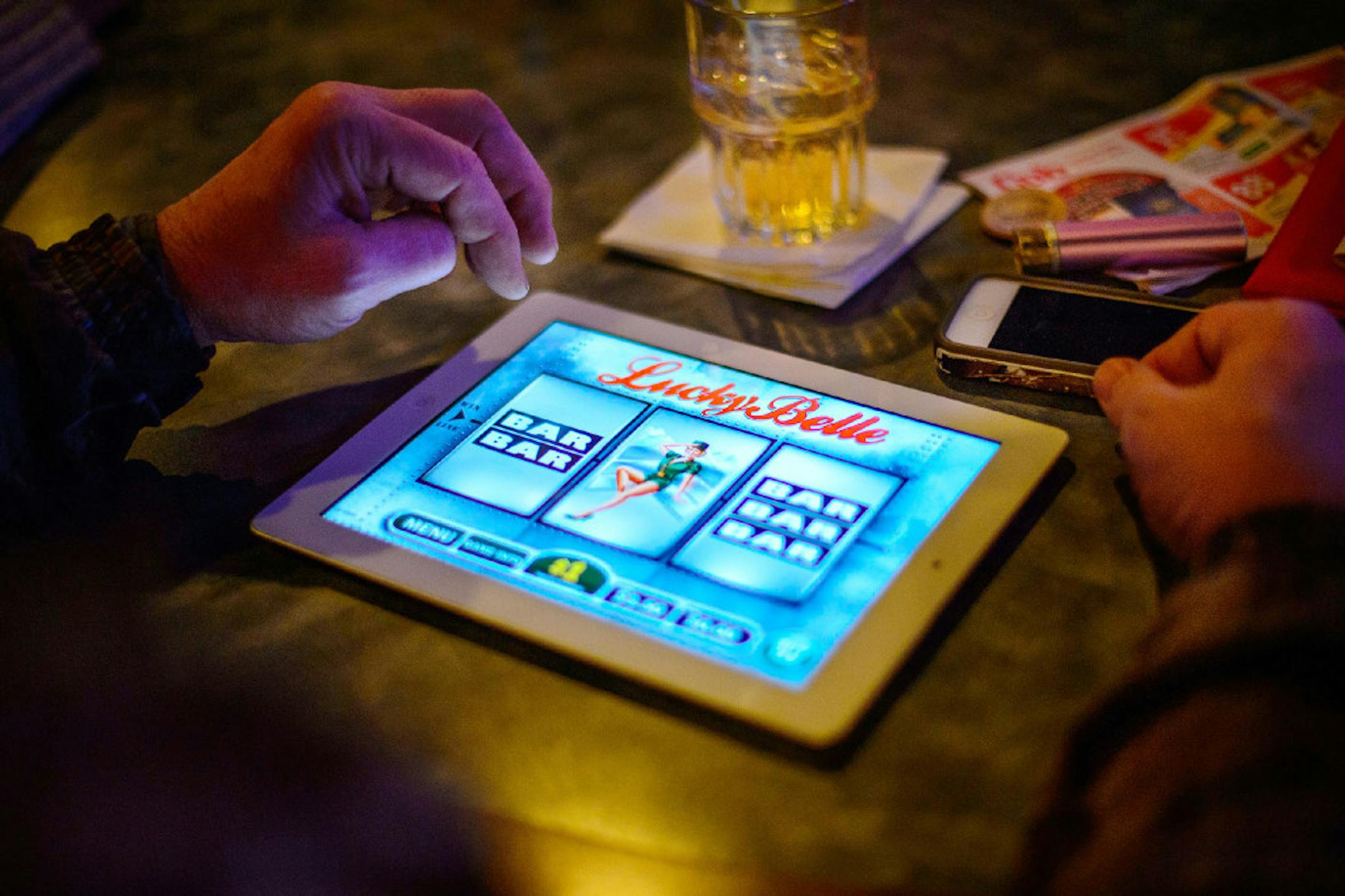
A push to make electronic pulltabs less like slot machines has been dealt a setback — but like most issues at the Minnesota Capitol, nothing is certain until the final gavel strikes.
One week before the Legislature is expected to gather for a special session, Rep. Zack Stephenson laid out the highlights of the Commerce, Energy and Climate bill that he had been privately negotiating.
The Coon Rapids Democrat said a key item he pushed for is absent: a proposal to alter the look and play of electronic pulltabs, found in bars and restaurants across the state. Stephenson and others have argued the electronic games have gotten too far afield from the paper version of pulltabs, and are not in keeping with the state's gaming compacts that allow slot machines only at tribal casinos.
"It's not in the commerce bill," he said, as Senate Republicans rejected restrictions. The lead GOP negotiator on the bill declined to comment. Nonetheless, Stephenson said he still hopes the change will succeed, adding, "There are 13 other major finance bills out there … And so, it's not over until it's over."
Like all but one of the 14 bills that will make up the next state budget, the exact language of the commerce bill was not available to the public Monday. But Stephenson said the bill does include a pilot program to prevent theft of catalytic converters and a "Bill of Rights" to help protect student loan borrowers.
The idea of changing electronic pulltabs has faced a wave of opposition from bar and restaurant owners who have the machines and charitable organizations that benefit from the proceeds, which also fund U.S. Bank Stadium.
Kolleen Raymond is one of thousands of people who contacted state leaders and urged them to continue to allow the current form. She is the program director of Competition Cheer Spirit Booster Club, which recently opened a gym in Coon Rapids, something she said they would not have been able to do without charitable gambling revenue.
"I don't think people really realize the impact. I think they just think of, 'Oh, bars and restaurants,' when it's so much more than that. It's those niche communities that rely on it," Raymond said.


