

"Electability" has emerged as a contentious issue among pundits, party activists and politicos during the early stages of the Democratic presidential primary. Some have dismissed the concept as a "delusion," "canard" or "trap."
Technically, electability simply means a candidate's ability (or perceived ability) to win the general election — that is, to earn a majority of the electoral college votes.
But at its heart, "electability" is a strategy, employed by the party that prioritizes party victory over any one particular candidate or a specific ideological agenda. Certain candidates may appeal to particular factions of a party, but not all can deliver enough states to win the White House. An electability strategy assesses the realities of the electoral map, and attempts to put forth a candidate who can deliver the right mix of states and votes that will best assure victory for the party.
This strategy empowers the party structure, of course, and disadvantages those who may seek to upend it. But it has succeeded in putting forth successful candidates during contentious elections.
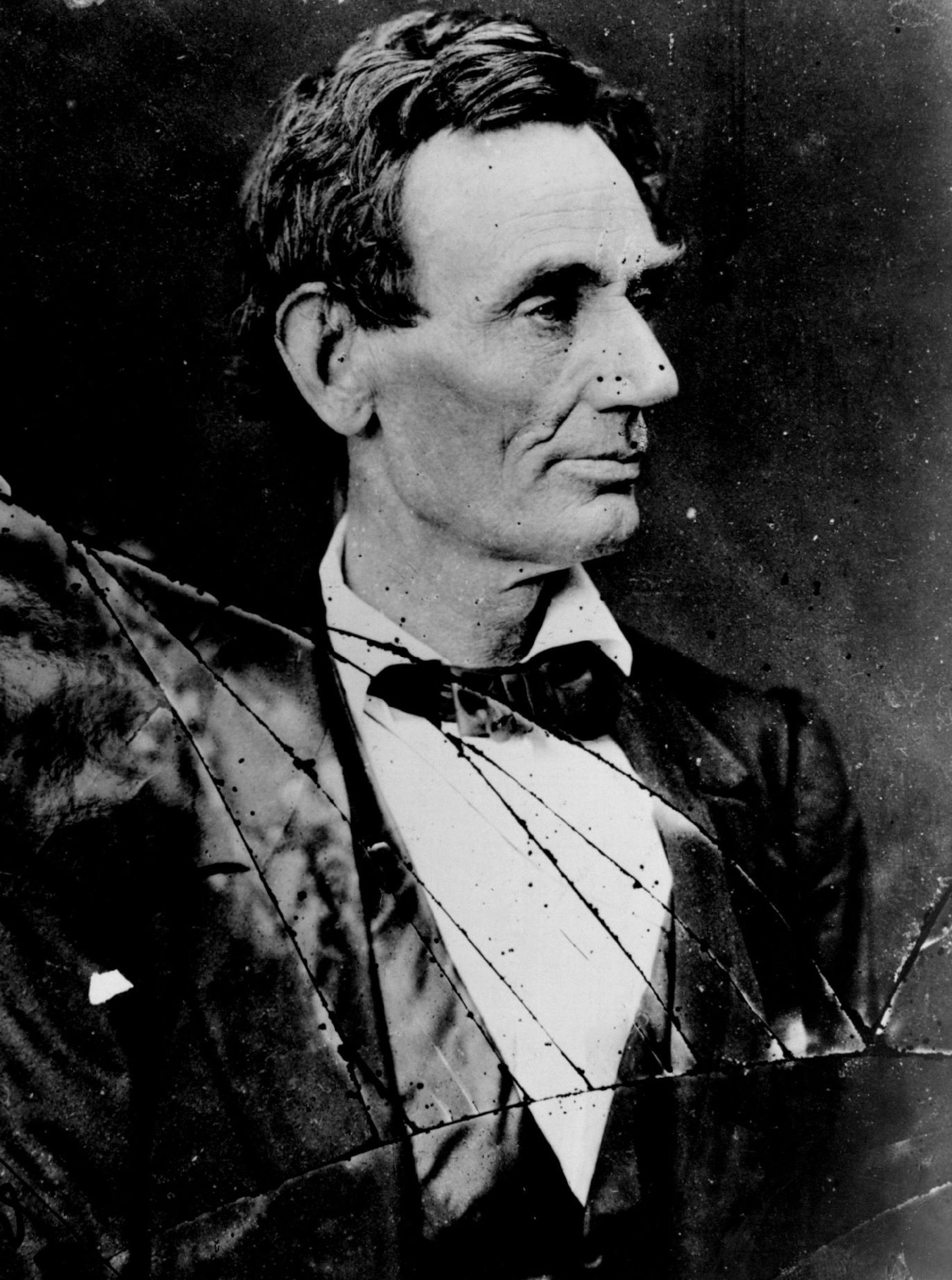
In fact, Abraham Lincoln — arguably the most significant president in our nation's history — won his party's nomination and ultimately the White House on the back of his "electability."
In 1860, Lincoln was relatively unknown. The presumptive favorite to be the Republican nominee for president was William Seward, a politician with 30 years of government experience.
But Seward, a native New Yorker, was not considered electable by key Republican Party power brokers, most notably Horace Greeley, the publisher of the New York Tribune and a close ally of Republican and abolitionist leaders. Greeley thought Seward was too radical on slavery and not attractive enough to Western interests.
"An Anti-Slavery man per se cannot be elected," Greeley wrote in a private letter. "But a Tariff, River and Harbor, Pacific Railroad, Free Homestead man may succeed although he is Anti-Slavery."


