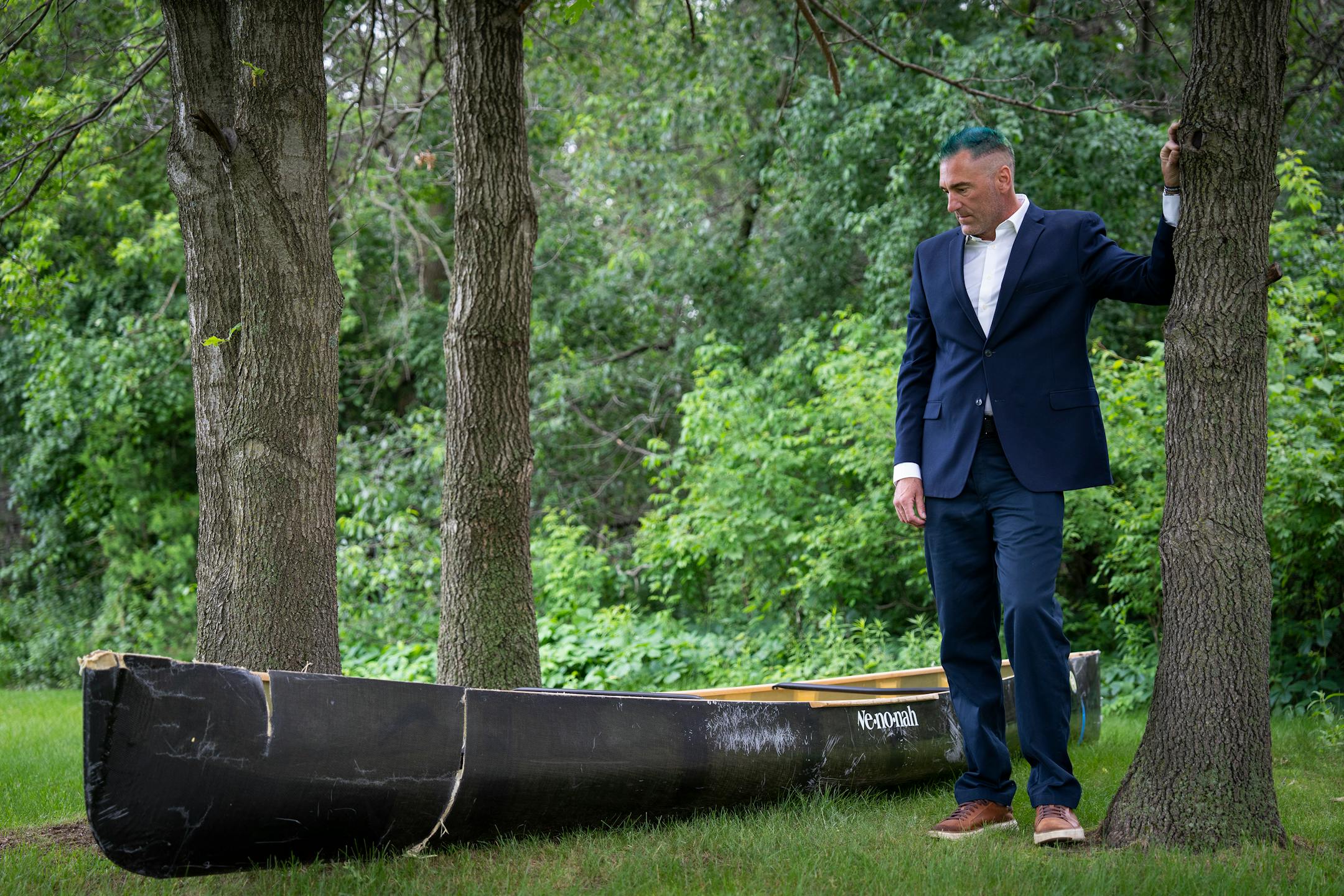
An accidental drowning can happen whether you’re enjoying a canoe or cabin cruiser, if you fall in unexpectedly, dive in deliberately, if you’re an experienced boater or just a landlubber out for an afternoon cruise on a friend’s pontoon.
Nor is being a good swimmer a guarantee of safety, according to Dugan. You could be knocked unconscious when falling into the water, for example, be intoxicated or sustain other injuries that make it difficult to swim.
Or you could come across something called a “strainer.” It works the same way as the kitchen implement used to separate pasta from boiling water. As Dugan explained, this is an object, like a downed tree, that water rushes through but one that also prevents other objects, such as a boat or canoe, from doing the same thing. That can trap boats and people against or under the hazard. High water conditions and fast currents can make strainers especially perilous.
The DNR understandably recommends that everyone out on the water wear a life jacket. Dugan points out the many advantages. A life jacket buys time for rescuers to provide assistance if someone falls in. It can keep those unconscious or injured afloat.
“Even the best of swimmers can get into bad situations,“ she said. “If you fall overboard and hit your head on the way out, if you don’t have a life jacket you don’t have a chance to keep your head above the water.”