

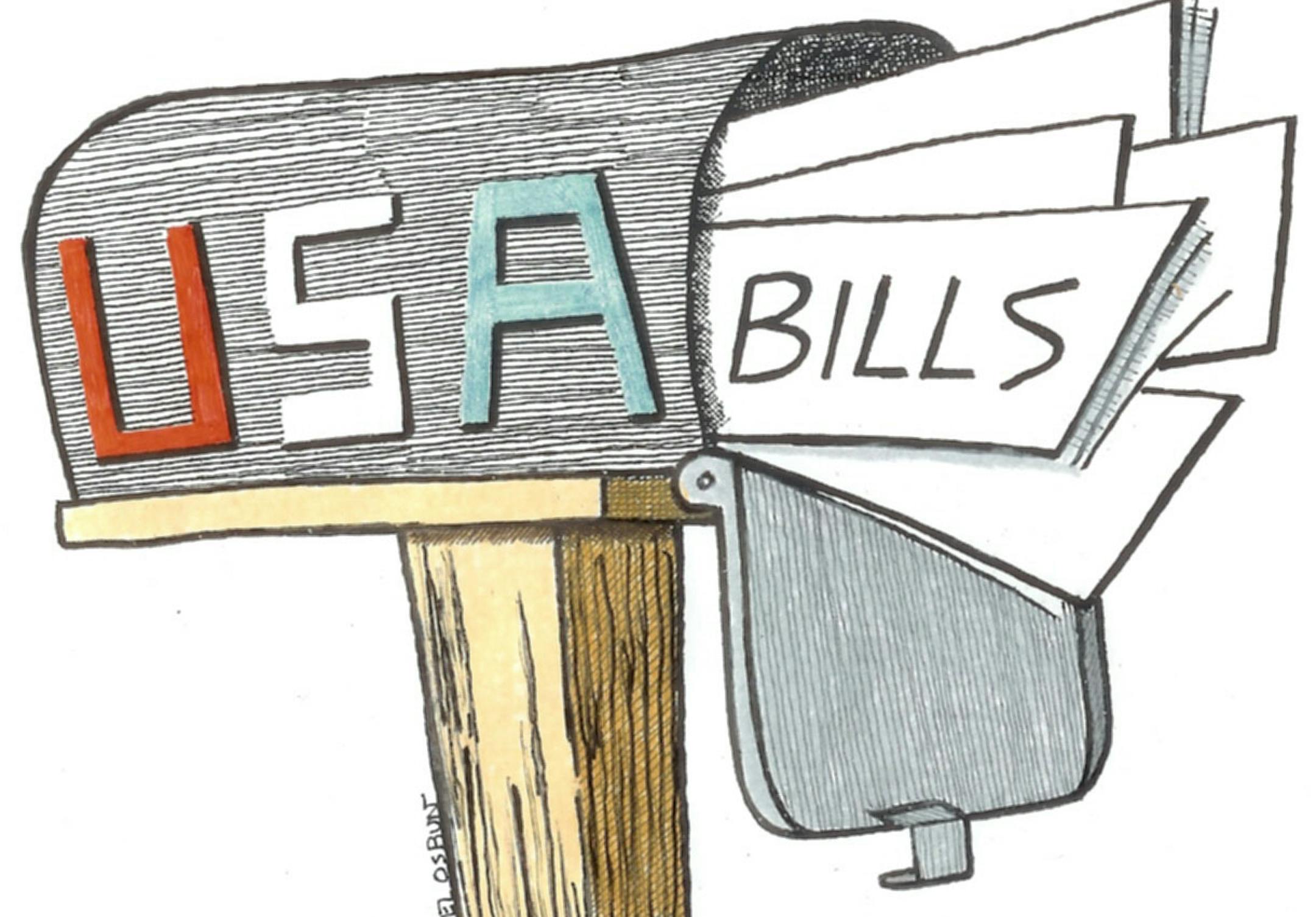
Minnesotans put considerable faith in the state's congressional delegation when ballots were cast last month. Of the nine incumbents seeking re-election -- one senator, eight U.S. House representatives -- all but northern Minnesota's Chip Cravaack were tapped to serve again.
The urgent task awaiting them at the nation's Capitol -- averting the so-called "fiscal cliff" -- demands that the state's elected officials move swiftly to live up to the trust placed in them. They can do so by pushing aside partisanship and forging a deal that responsibly avoids the cliff's combination of expiring tax cuts and massive federal spending reductions.
The sweeping changes are set to kick in after the first of the year, threatening to plunge the economy back into recession. Too little progress has been made during the lame-duck session to avoid the cliff and take the next critical step -- a "grand bargain" to stabilize the nation's long-term debt by gradually finding $4 trillion in deficit reduction.
But over the past week, leadership on these critical budget issues by some of state's congressional representatives inspires confidence that a longer-term deal can be reached and that Minnesota's representatives will be part of the solution, not the problem.
It's no mystery what's needed. It's called compromise. Republicans have to give ground on tax revenue and defense spending. Democrats must agree to additional savings or find consensus on additional revenue for entitlement programs such as Medicare, which is perceived as an "earned benefit" because of individual payroll tax contributions but which typically pays out more in enrollee benefits than is taken in.
While Minnesota's Republican congressional delegation has for too long hewed to the rigid antitax pledge that they all signed, three of Minnesota's four Republican House are signaling a welcome if overdue flexibility on raising tax revenue. In statements this week, Reps. John Kline, Erik Paulsen and Chip Cravaack indicated they're willing to consider raising additional tax revenue by closing loopholes. Further flexibility is needed on tax rates, but this openness puts some daylight between them and the gridlock-inducing pledge engineered by antitax zealot Grover Norquist.
The three deserve credit for being in the vanguard of congressional Republicans willing to question the oath. This independence is in the best interests of their constituents. It also will serve Kline and Paulsen well politically if they decide to run outside their districts for a statewide office. As for Cravaack, his one term will soon end, but being part of the coalition whose work leads to a deal will be a lasting political contribution.
Leadership is also needed from Minnesota's Democratic delegation to ensure that partisanship on their side of the aisle doesn't derail a deal. Newly re-elected Democratic U.S. Sen. Amy Klobuchar has become a forceful advocate for a grand bargain, appearing on national news shows to call for a "significant" but balanced deal. Rep. Tim Walz also clearly understands that the public expects Congress not only to get something done, but to protect veterans and seniors as much as possible.


