

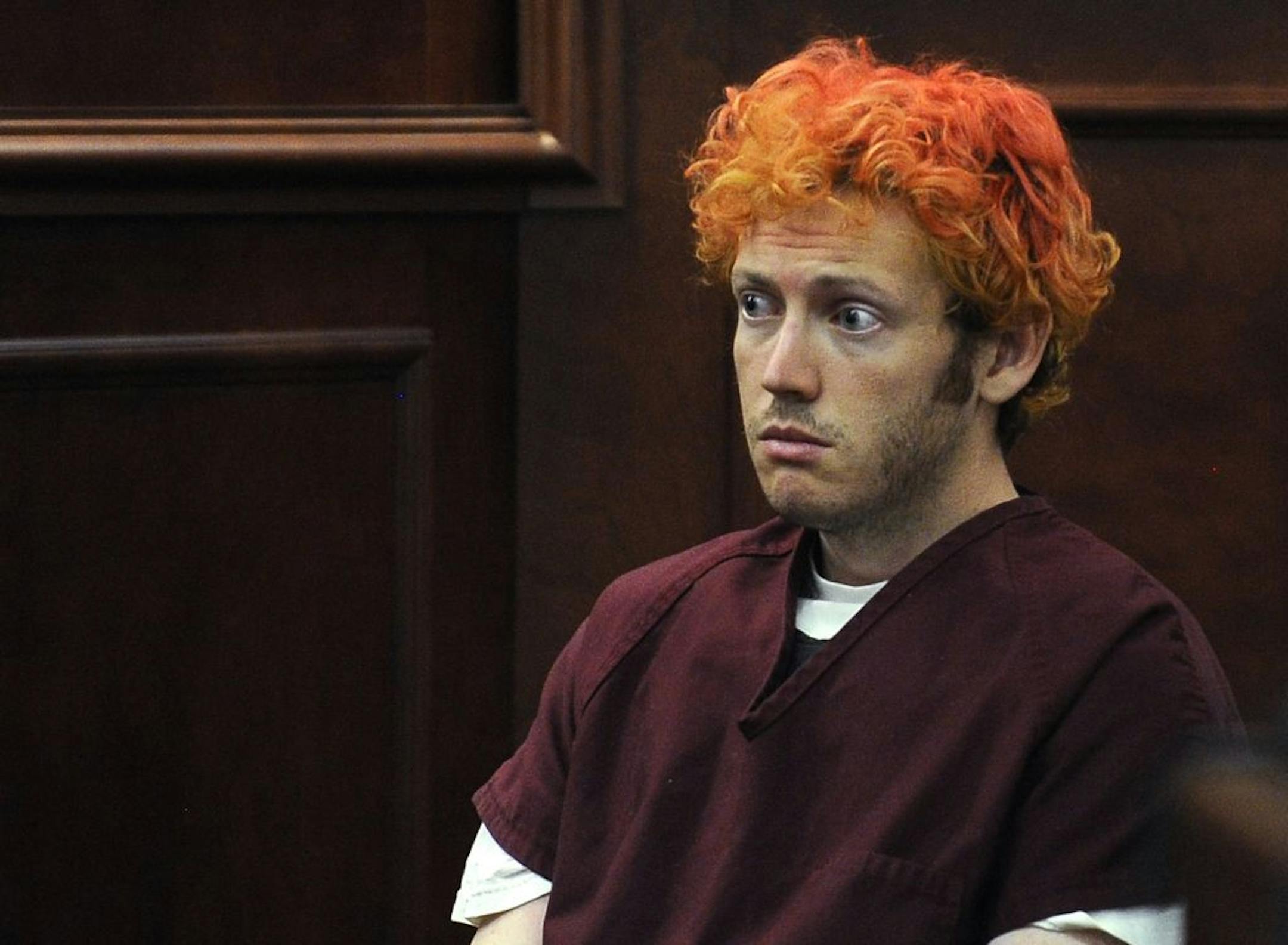
The disturbing, albeit riveting, images of the dazed, orange-haired James Holmes in a Colorado courtroom were ready-made for front pages and TV newscasts. Those images, and the emerging profile of the accused Aurora shooter, dominated the news media narrative this week.
That's prompted some to decry the attention paid to Holmes, protesting that coverage focusing on the suspect disrespects the memory of the victims. In an emotional interview with CNN, the father of one victim challenged the media to stop identifying Holmes by name.
That's an understandable sentiment. The stories of the innocent victims have to be told, too. And it's legitimate to worry that the attention paid to the alleged killer will give him a level of notoriety that others may wish to obtain.
But it's the role and the responsibility of the press to tell the whole story, however uncomfortable. A horrific crime has been committed, and the public deserves to be informed about all aspects of it. That includes providing a full profile of the suspect, however distasteful.
Mass murders invariably prompt public debate. A national dialogue about gun control has already begun (at least by pundits -- President Obama and Mitt Romney have shirked their responsibility to join the debate). Others have wisely weighed in on the issue of mental health, and what can be done to reach those unable or unwilling to seek treatment.
Questions are being raised about what role, if any, the "Batman" movie played in the shootings and whether the excessive video violence found in games, film and TV was a contributing factor. And some have even questioned whether midnight movie events are appropriate.
These debates will be productive only if we have a full understanding of what led to the shooting. That includes gathering as much useful information as possible about Holmes.
The news media, in this and previous cases, has made mistakes. As often happens, some journalists have parachuted in, only to soon jet out without following up on the aftermath.


