

Count us among the Minnesotans who winced at the Wall Street Journal's Dec. 29 story about administrative excess at America's universities. The story's prime example: the University of Minnesota. This state's higher-education flagship was accused of going on a decadelong "hiring spree" to the detriment of students and taxpayers.
The U's administrative ranks swelled 37 percent between 2001 and 2012, the Journal reported. More than 350 university employees draw annual salaries in excess of $200,000. Among that number are 81 administrators, more than double the number in 2001.
Those are troubling figures that should be accompanied by caveats and context: During the decade in question, enrollment grew 16 percent. The volume of research grants and contracts rose 40 percent. The undergraduate four-year graduation rate reached 58 percent, up from 41 percent in 2002. The financial aid available for students from the institution's own resources, raised largely through administration efforts, more than doubled.
At least in part, serving more students, hastening their progress to graduation, providing more of them with financial aid and overseeing compliance with research regulations drove administrative numbers up. One might argue that higher staffing levels and salaries were fair prices to pay for those gains.
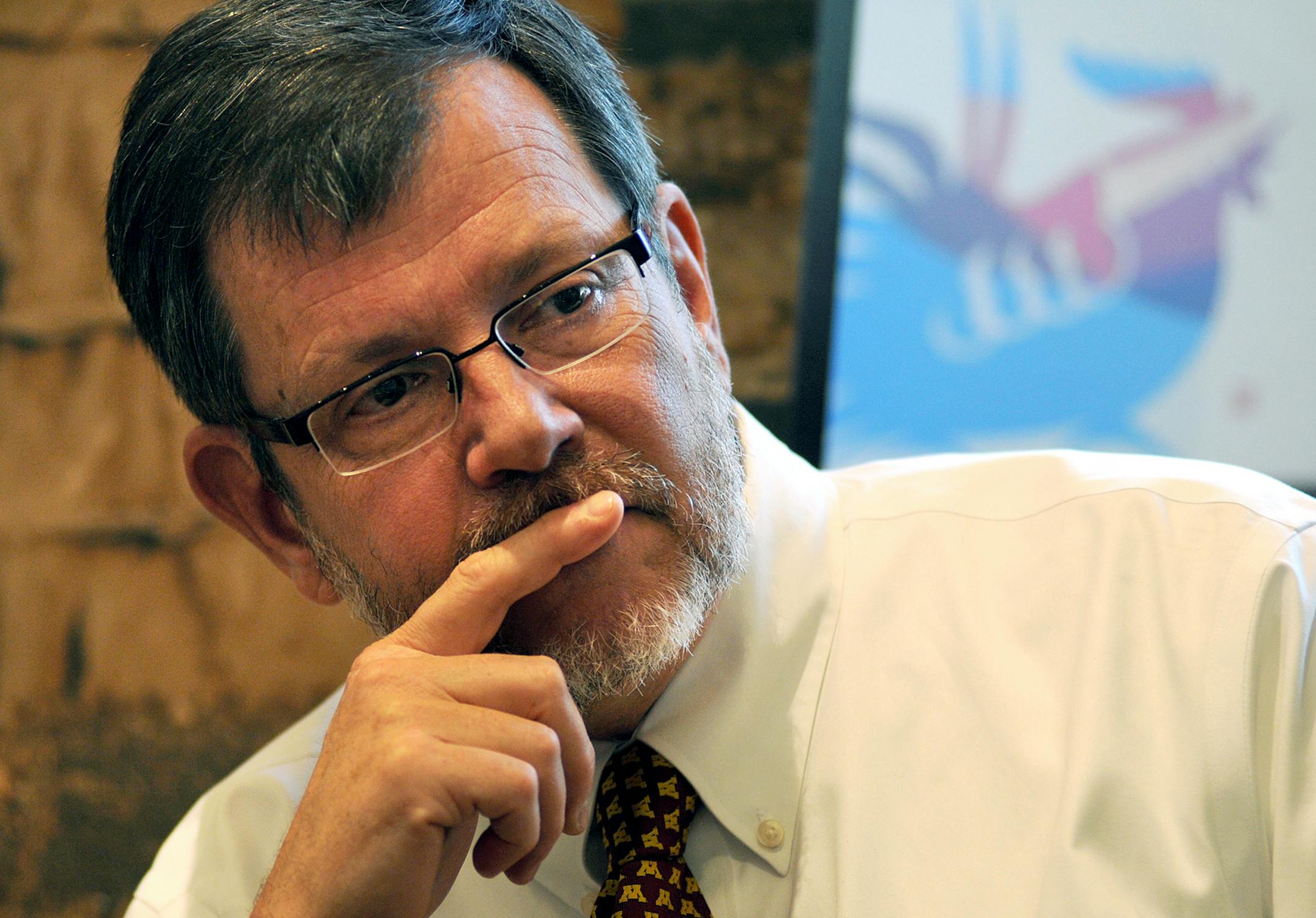
University President Eric Kaler makes that argument, to a point. He also cites flaws in the U.S. Department of Education data on which the Journal's analysis relied. For example, more than a third of the administrators it counts are in fact professors, he told State Capitol reporters on Friday.
Kaler also notes that he just eliminated a vice presidency, and that his predecessor, Robert Bruininks, eliminated three such positions in his last year, 2010-11.
And he points to declining state support -- not bloated bureaucracy -- as the prime driver of tuition increases in the past decade. This year's state aid has been rolled back to 1998-99 levels, without considering inflation.
But to Kaler's credit, he also acknowledges that a more austere day has dawned for public higher education, and that the U has not fully adjusted to its imperatives. He concedes the need for a leaner administration, and points to steps he is taking toward that end.


