

"Fix it." That's the dominant message about the state's tax-and-spending systems that state Revenue Commissioner Myron Frans says he's gleaned through nearly a year of meetings with business and civic leaders across Minnesota.
A fiscal fix is indeed in order in 2013. Minnesotans have endured nearly a dozen years of recurring state deficits; service reductions; climbing fees, tuition and local taxes, and borrowing from schools and future revenues. More of the same is on the way unless something changes. Another billion-dollar-plus deficit has been forecast for 2014-15.
Chronic money woes are interfering with state government's ability to respond to new problems or effectively solve old ones. Minnesotans expect better. They elected a new DFL legislative majority on Nov. 6 with "fix it" in mind.
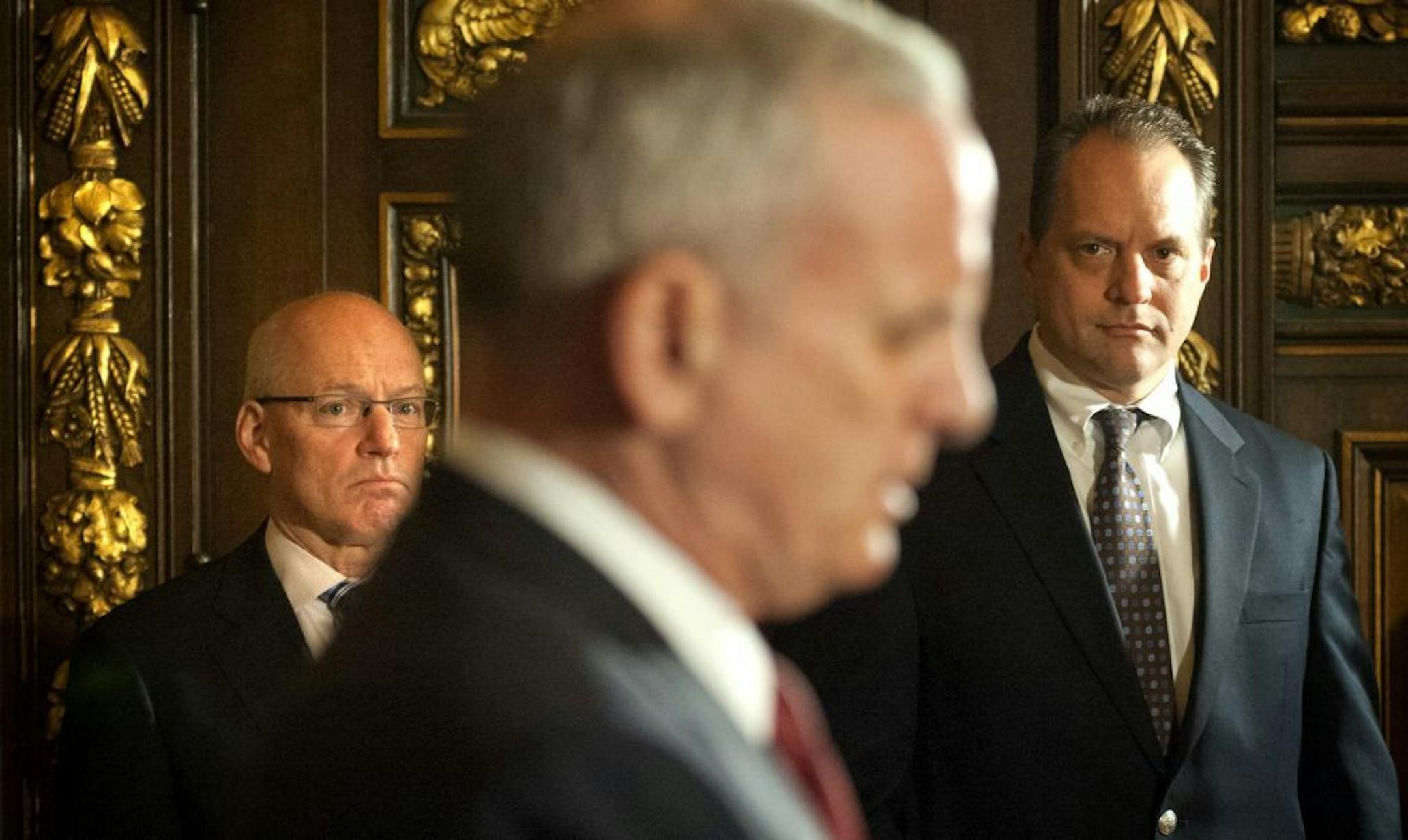
At a briefing in St. Paul last week, Frans and his spending-side counterpart Jim Schowalter, state management and budget commissioner, dropped broad hints that the fix DFL Gov. Mark Dayton will propose in a few weeks will be major. Details were scarce -- too much so, given that legislators will be in session again in only seven weeks. Precious time for selling a major proposal is slipping away.
But the Dayton administration appears to be headed in a promising direction. The positive indications include these:
•State goals and the performance of programs that aim to achieve them will be a driving factor in Dayton's spending recommendations, Schowalter said. A "dashboard" collection of several dozen numerical performance markers is in the works. It will guide the governor's proposals for allocating state's resources in fiscal 2014 and beyond, he said.
If the Dayton team can convince the Legislature to think the same way, they will make government both more adaptable in responding to state needs and more accountable to the public. Spending increases would need to be justified by the chance to achieve measurably better results -- not, for instance, by the need to make up for last year's or last decade's funding cuts. Underperforming programs would be easier to identify and either remedy or eliminate.
•The administration's No. 1 policy goal isn't an end to deficits, positive as that would be. It's job creation, the commissioners said -- and to their credit, they cite a need to improve Minnesota's economic competitiveness in the same breath.


