

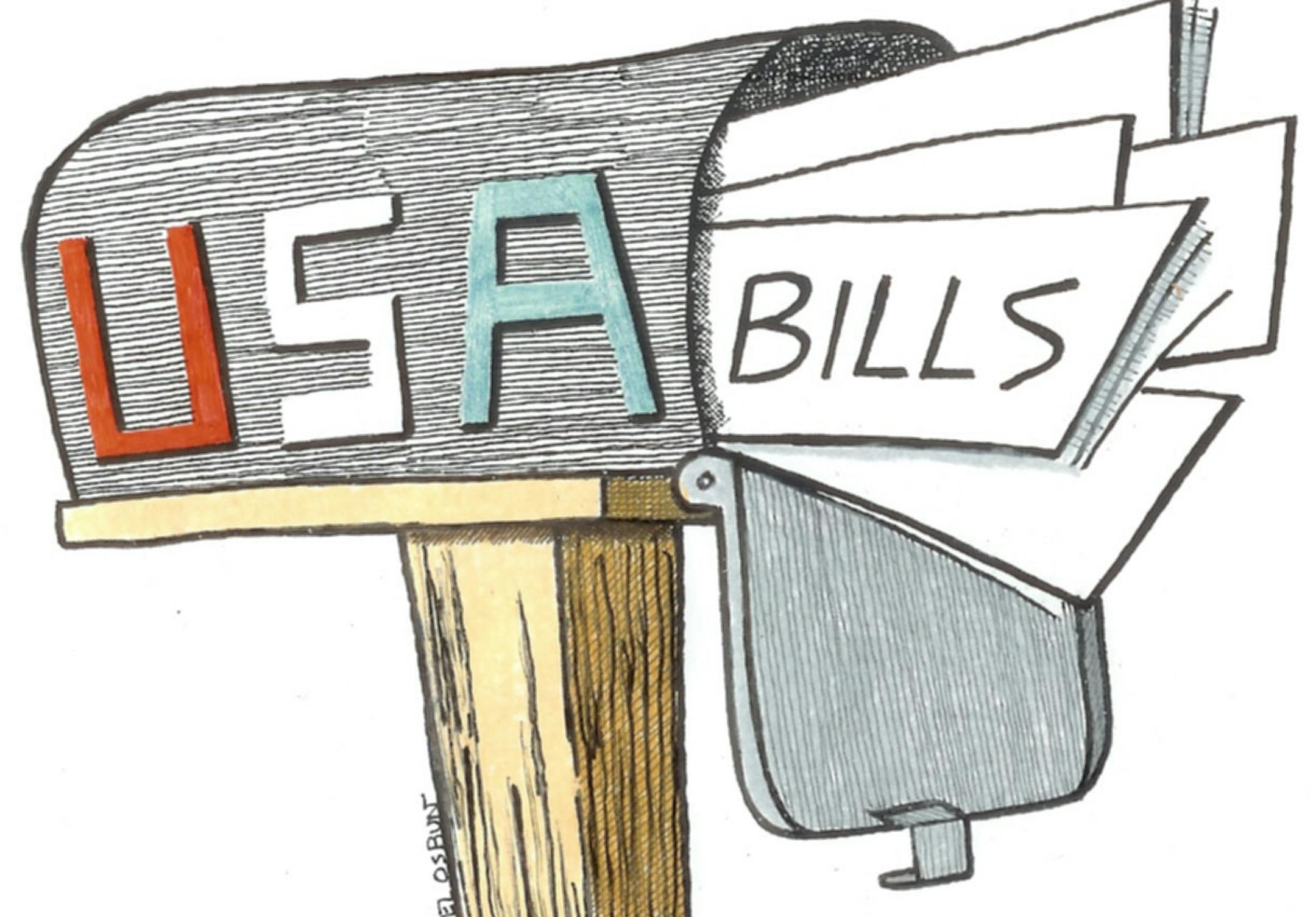
The fiscal-cliff deal passed over New Year's fell far short of the smart, strategic deficit-reduction agreement that the American people wanted -- and deserved.
After having more than a year to develop a long-term plan to carefully stabilize the nation's fiscal condition, the outgoing Congress and President Obama's administration did the bare minimum at the last possible moment to prevent the economy from taking a nosedive off the cliff's self-imposed combination of tax hikes and spending cuts.
Bipartisan but mostly Democratic majorities in the Senate and House took the relatively easy but necessary step of preventing steep income tax rate hikes from taking effect for most people. The end of the 2 percent payroll tax holiday will still take a bite out of paychecks, however.
Making the Bush-era tax rates permanent for all but those who earn $400,000 a year or more individually ($450,000 for families) will blunt the fiscal cliff's abrupt austerity and give businesses and taxpayers certainty about their tax obligations.
Extending unemployment benefits, as well as preventing Medicare payment cuts to doctors, also will help stabilize the economy in the short-term. Minnesota's two U.S. senators, as well as four members of its House delegation -- Republican John Kline, and Democrats Tim Walz, Betty McCollum and Keith Ellison -- cast adult votes to pass this legislation and protect the fragile economy.
Still, this economic package comes at a high cost. The Congressional Budget Office estimates that enacting the deal rather than facing the cliff's across-the-board tax increases and spending cuts will add $4 trillion to the nation's deficit over the next decade.
Asking relatively few people to contribute more to the existing cost of government doesn't inspire confidence about the hard choices ahead. The reality that President Obama and policymakers decided to punt for two months rather than craft a sensible alternative to the cliff's deep spending cuts underscores those concerns.
So does the lack of progress made over the past year on finding bipartisan solutions to the vexing issues -- tax reform, reducing defense spending and reining in Medicare spending -- that are critical to long-term debt reduction.


