

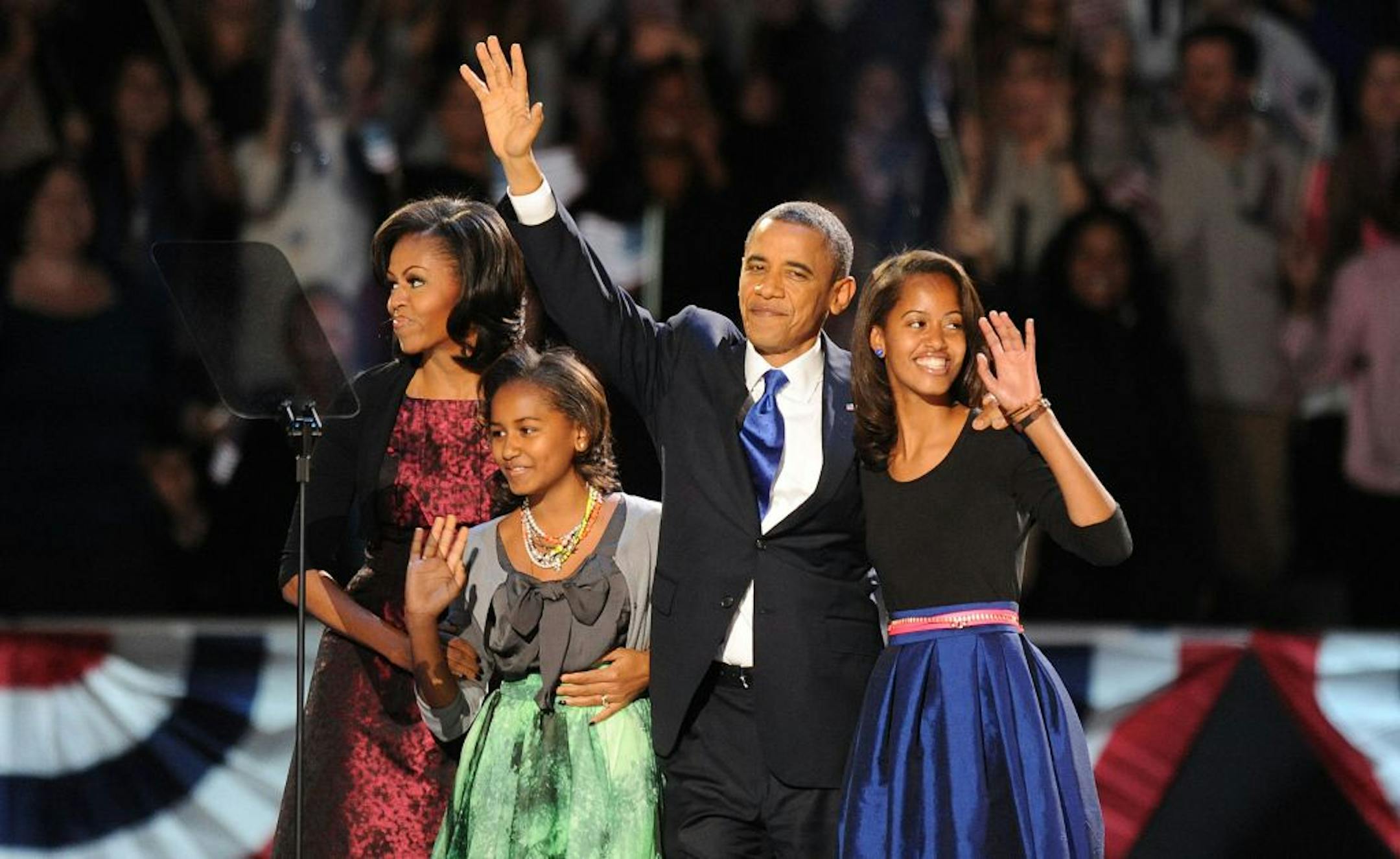
Minnesotans joined voters in enough other states Tuesday to return President Obama to the White House, rejecting Republican Mitt Romney's offer to replace the Democratic president and scale back the role of the federal government in American life.
This state's preference for Democrats and Democratic-backed causes reached down the ballot to the Legislature, which reverted to DFL control in both houses after two years in GOP hands, and to two constitutional amendments, defeated in part on the strength of near-unanimous opposition by DFL officials and candidates.
American voters made the same presidential choice on Tuesday that they did four years ago. But after a brutal recession and halting recovery, neither they nor the president they elected are the same.
Gone are 2008's unrealistic hopes that Obama would usher in an era of bipartisan good feeling. What remained was voters' sense that he sides with average Americans and is willing to employ the muscle of the federal government to improve their lives.
The components of his victory included the slowly but steadily improving economy; his success in reviving the U.S. auto industry, especially in Ohio, and Hurricane Sandy's harsh reminder that there are times when Americans need a robust federal government.
But while the wishful thinking of 2008 has evaporated, a realpolitik reality remains: Obama's success -- and the nation's -- in a second term will depends in large part on his ability to forge a bipartisan governing consensus.
While Democrats made gains in the U.S. Senate, the House will remain in Republican hands. That means that a bipartisan way must be found to flatten the imminent "fiscal cliff," then shrink unemployment rolls, reduce the national debt, and make immigration once again a national asset rather than a liability. One party can't get the job done alone.
Minnesota voters sent back to Washington a U.S. senator who has demonstrated the propensity for the kind of bipartisan lawmaking that will be required. DFLer Amy Klobuchar won a second term with a lopsided victory over Republican state Rep. Kurt Bills on the strength of her bipartisan, centrist approach to lawmaking.


