

For all the big talk in northern Minnesota these days, you'd think a pot of gold had been discovered deep in the Boundary Waters -- enough to rescue the state's public schools from penury if only tree-huggers would get out of the way. Too bad it's largely a fairy tale.
The issue is the proposed Boundary Waters land swap now before Congress. It's the latest act in the long-running morality play that dominates politics in the north woods -- although this time "our schoolchildren" have been added to the familiar cast of hot-button characters -- pitting timber and mining interests on one side and federal bureaucrats and nature preservationists on the other.
The tale deserves a more complete telling and a more sober decision than lawmakers have so far delivered.
Let's start at the beginning. In 1849, Congress established Minnesota's territorial government and launched a process that held in trust two square miles in every township to benefit public schools. Over the years, most of the original 8.3 million acres of these "school trust lands" were sold or leased for private development. Proceeds were pooled and invested, with earnings applied to school budgets.
By the middle of the 20th century, only a small portion of the trust lands remained, mostly in northern Minnesota.
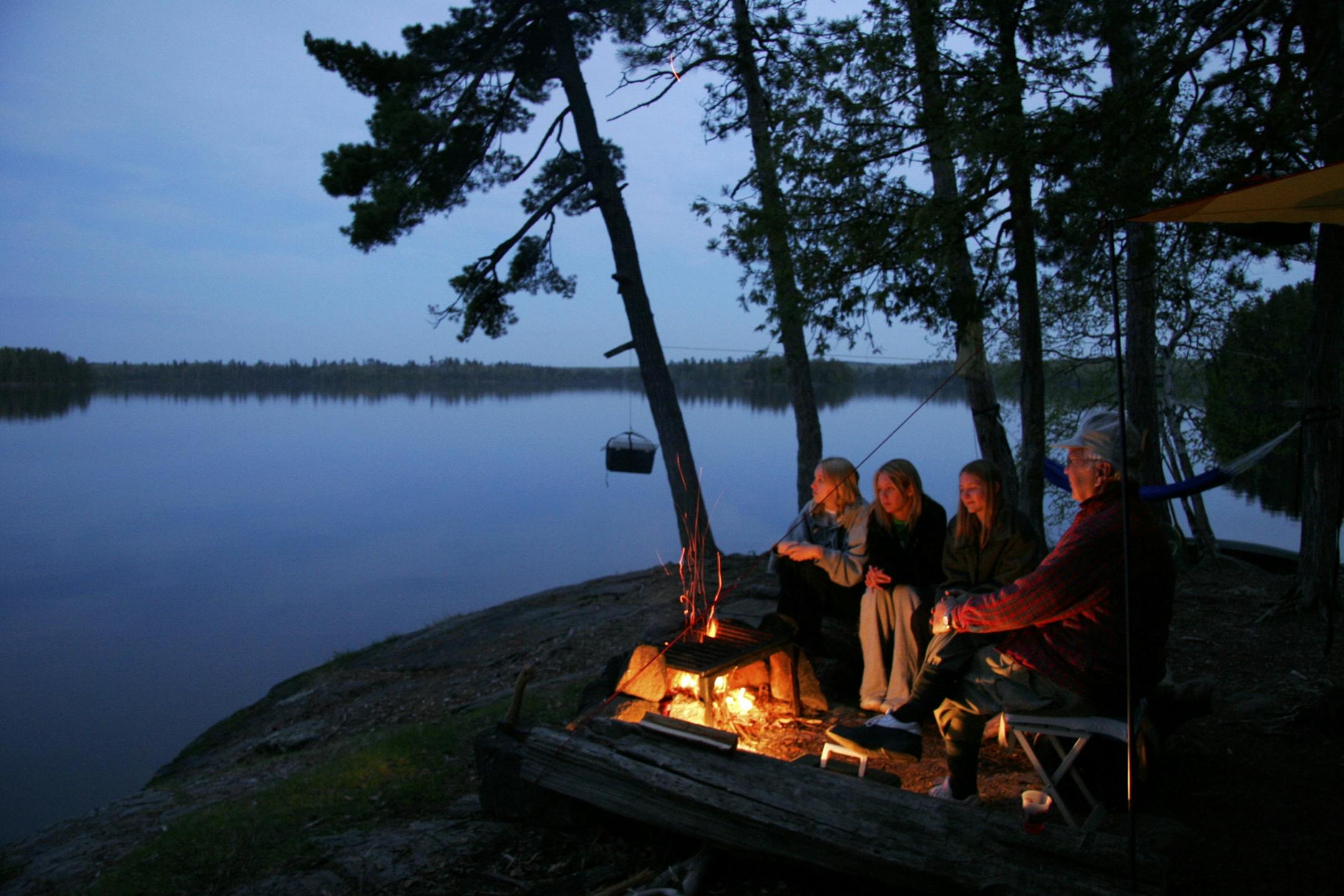
When, in 1978, Congress established the Boundary Waters Canoe Area Wilderness, 93,000 acres of school trust lands were trapped within the park and rendered unusable for development because of the BWCA's prohibitions against mining and timber cutting. Numerous attempts at a federal buyout or a swap of these lands have failed over the years because of bitter feuding between development and environmental interests.
Earlier this year, in a rare bipartisan maneuver, the Republican-controlled Legislature and DFL Gov. Mark Dayton stepped in to pass an expedited land swap, opening the way for approval by Congress.
U.S. Rep. Chip Cravaack's bill (HR5544) would execute the swap, trading a patchwork of school trust land within the BWCA (86,000 acres) for an unspecified amount of less-regulated federal land within the adjacent Superior National Forest. This land would presumably be converted to mining or logging, with proceeds benefiting the schools. Usual environmental review procedures would be bypassed.


