

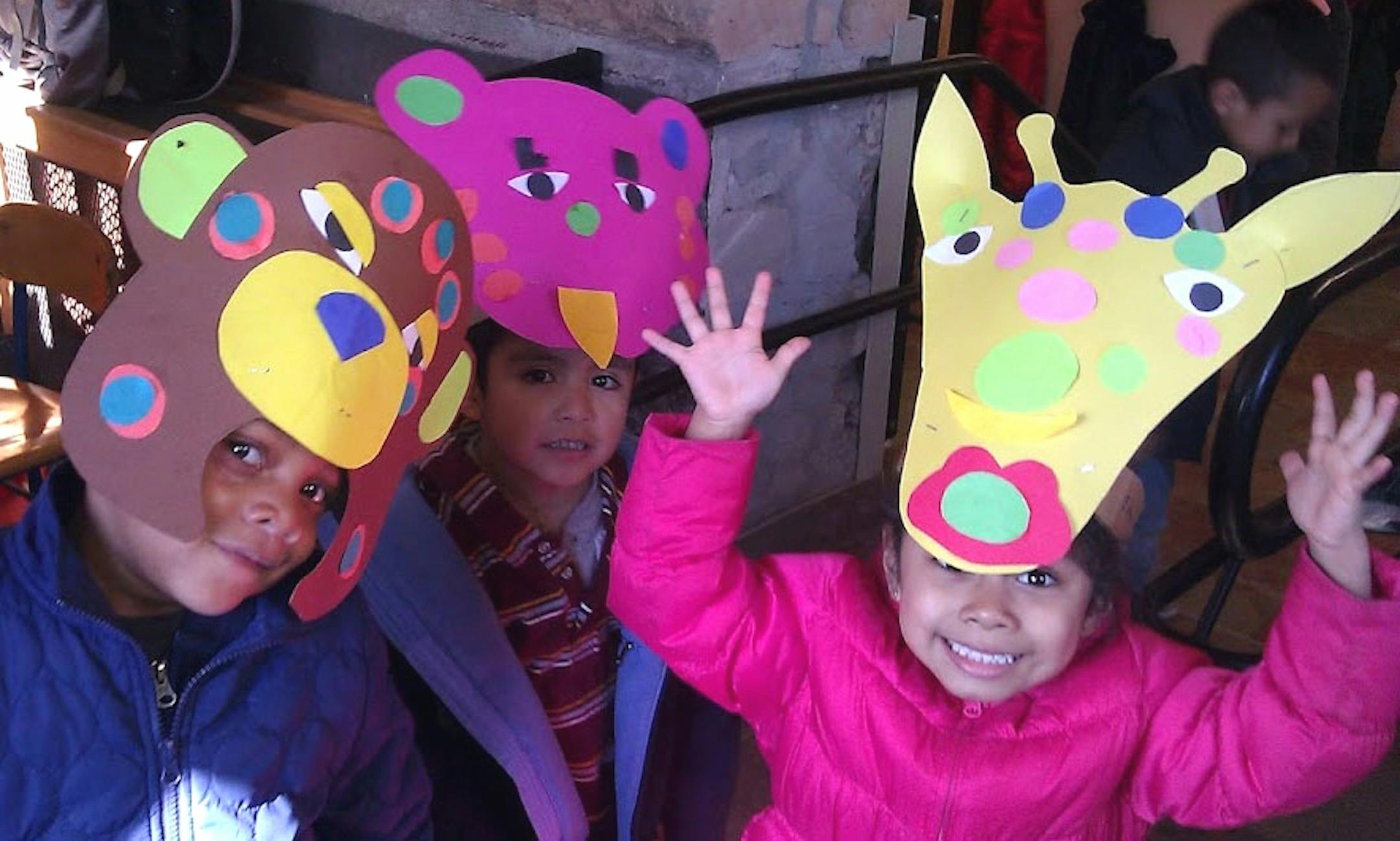
Monday mornings are hard for kids like 4-year-old Alex (not his real name) at the Southside Family Nurturing Center's preschool. He howled and kicked his unhappiness while other children ate breakfast and prepared for a field trip.
Southside, which operates in a former convent in the East Phillips neighborhood, serves children with developmental, social and emotional challenges from low-income families that have experienced trauma of various kinds.
Its staff knows Alex and his family well, and is large enough to have given him the individual attention he needed that morning. Elkniah Richardson separated him from other children. Then Lauren Hofmeister wrapped him in a comforter, sat on the floor beside him and soothed him until he was ready to rejoin the group.
Southside is a therapeutic program, committed to aiding troubled families as it prepares kids like Alex for kindergarten. It's modeled after Perry Preschool in Michigan, the well-studied program that Minnesota economist Art Rolnick cites when he says that preschool tailored for at-risk children is "the best public investment we can make."
The Great Recession spiked demand for Southside's services. Yet it is smaller today than it was in 2009, before the Hennepin County Board responded to then-Gov. Tim Pawlenty's unallotment by curtailing Southside's county support -- $800,000 a year, 57 percent of its total operating funds.
A push for private and foundation support has replaced about $250,000 of the lost funding. Retrenchment also ensued. Southside serves 30 children today, down from 48 in 2009. Its staff went from 30 to 14 full-time equivalents.
It hasn't been enough. Two years on, "sustainability is a huge issue for us," said executive director Barb Olson. "We are on the brink of closing."
Southside was hit unusually hard by state and county government spending cuts in 2009. But its story differs only in degree from that of many early childhood programs serving low-income families. Child-care subsidies for those families were whacked in 2003 and have languished since -- even as the most recent research has confirmed the long-term value of quality preschool for poor children.


