
Advertisement

Editorial: Online sales should not escape tax

Minnesota can help press Congress for a level playing field.

January 30, 2012 at 12:32AM
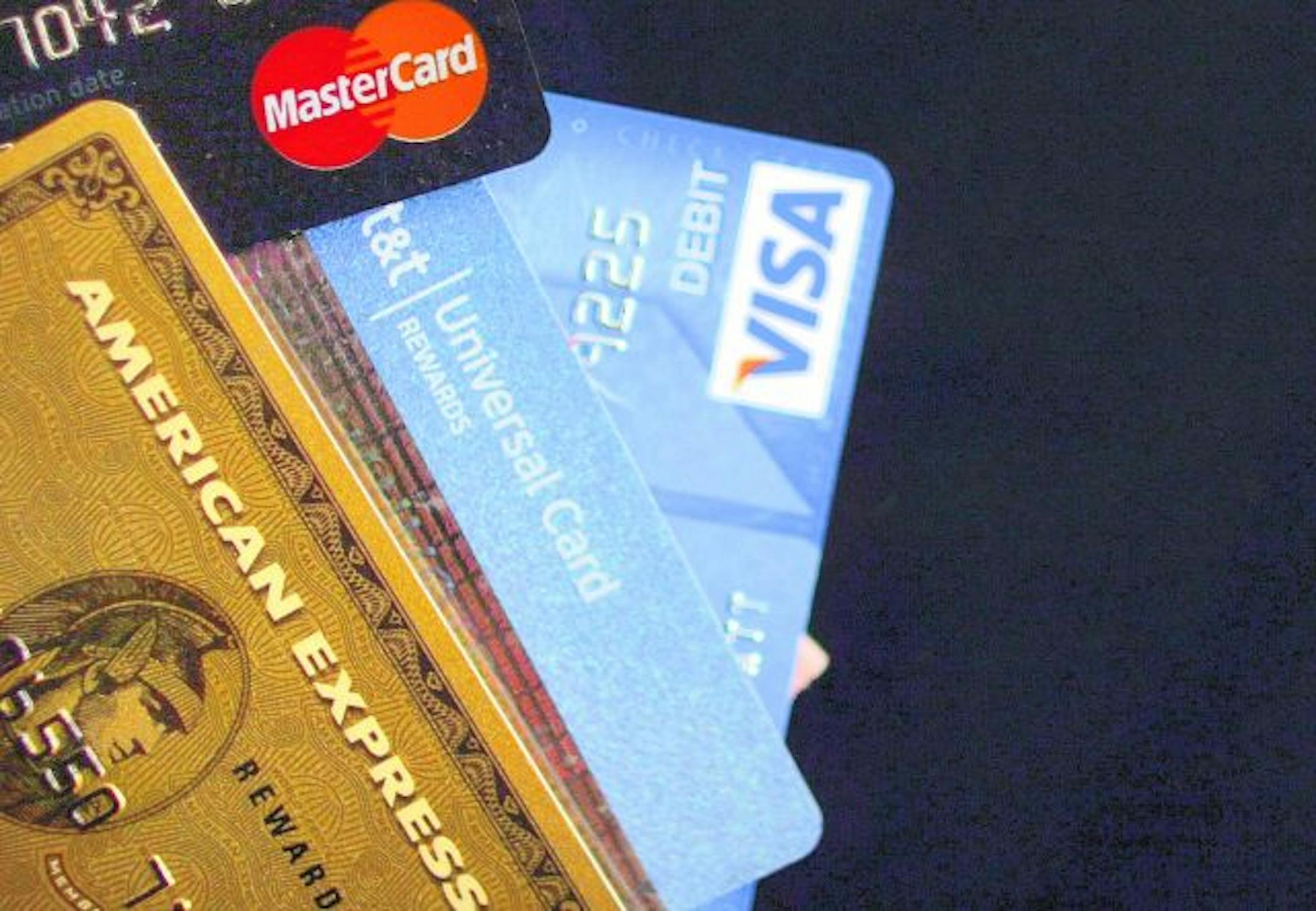
NEW YORK - MAY 20: In this photo illustration, major U.S. credit cards are seen on May 20, 2009 in New York City. In new landmark credit card legislation, the United States Senate has voted 90 to 5 to pass a bill that would restrict credit card issuers' ability to further raise interest rates and charge fees. Known as the Credit Card Accountability, Responsibility and Disclosure Act, or Credit CARD Act, the new rules would force companies to post their credit rules on the internet and provide ca
NEW YORK - MAY 20: In this photo illustration, major U.S. credit cards are seen on May 20, 2009 in New York City. In new landmark credit card legislation, the United States Senate has voted 90 to 5 to pass a bill that would restrict credit card issuers' ability to further raise interest rates and charge fees. Known as the Credit Card Accountability, Responsibility and Disclosure Act, or Credit CARD Act, the new rules would force companies to post their credit rules on the internet and provide cardholders with a written statement explaining pending interest-rate hikes 45 days in advance. (Getty Images/The Minnesota Star Tribune)
Advertisement

Minnesotans are savvy shoppers. It's no secret to most of them that online shopping often offers bargains -- especially when one shops on websites that do not collect the sales tax that the law requires.

That's right: If you live in Minnesota, when you click the "buy" button to purchase a taxable item, sales tax is owed, whether or not the seller collects it. Minnesotans are bidden by law to pay any uncollected sales tax when they file their income tax returns.

But with no enforcement mechanism to compel compliance, that requirement may be the most widely disregarded feature in the state tax code.

This situation isn't unique to Minnesota. It's the consequence of federal court decisions made 20 years ago that limited states' sales tax reach to online sellers with a physical presence within their borders.

The online purchases that escaped taxation as a result amounted to a small, slow leak in state revenues 20 years ago. That leak is now a major breach in the revenue pipelines of all of the 45 states that rely on sales taxes.

According to the National Conference of State Legislatures, Minnesota is losing $455 million in fiscal 2012 in owed-but-uncollected tax on online purchases.

The NCSL tally for all 50 states is $23.3 billion -- enough to have averted some of the worst of the budget cuts states have inflicted on schools, public safety and human services since the Great Recession began.

One of the best things Congress could do to assist fiscally struggling states is to help them collect taxes they are already owed. Several measures have been introduced that would require all online sellers to collect state sales tax at the time of purchase, regardless of whether the seller has a physical presence in the state where the sale originates.

Advertisement

And one of the best things Minnesota could do to encourage Congress to act is to make the change Gov. Mark Dayton recommended recently.

It would extend the legal definition of businesses already required to collect online sales taxes -- that is, those with a Minnesota nexus -- to those who lack Minnesota stores but have affiliated sellers in the state.

Who's that? Amazon and Overstock are the big ones. The number of sellers affected is so small that state coffers would gain only $3.6 million in fiscal 2013 from the change Dayton proposes.

"We wouldn't be doing this for the revenue," explained House Taxes Committee chairman Greg Davids, R-Preston. Rather, Davids said, he's inclined to support the DFL governor's proposed change for two reasons:

The more states act, the more pressure Congress faces to bring national uniformity to online sales tax collection practices. Therein lies the opportunity for a much bigger payday for state governments than they can achieve on their own.

Minnesota is one of seven states now considering legislation that would require online sellers with in-state affiliates to collect sales taxes. Eight have already enacted the change Minnesota contemplates, and four others have reached agreements with Amazon that have the same effect.

Advertisement

In previous years, Amazon has threatened to end its relationships with state affiliates in those states contemplating an online tax collection requirement.

But in reaching a compromise last year with California, the company showed new willingness to accommodate state concerns, state Revenue Commissioner Myron Frans said.

Fairness to Minnesota-based retailers demands this change. It would begin to level the online playing field for retailers based in Minnesota. From small Main Street shops to multinational Target and Best Buy, Minnesota retailers report that they regularly lose customers because of the online sales tax disparity.

Requiring Amazon and similarly situated sellers to collect sales taxes is the top legislative priority of the Minnesota Retailers Association this session, and figures to be an issue for the group in the fall campaign if it doesn't prevail in St. Paul.

"We're getting to the point of saying that if you're not supporting this, you're not supporting Minnesota businesses," said association president Brian Steinhoff.

Amazon's threat to end its affiliate relationships in Minnesota combined with jitters about raising taxes to scuttle this proposal in 2011. Amazon's threat is milder this year, and the tax argument (see box, above) should be better understood.

Advertisement

Legislators who want to cast themselves this fall as allies of Minnesota businesses should walk the talk this spring by responding to the retailers' plea for online sales tax fairness.

about the writer

about the writer

Advertisement