

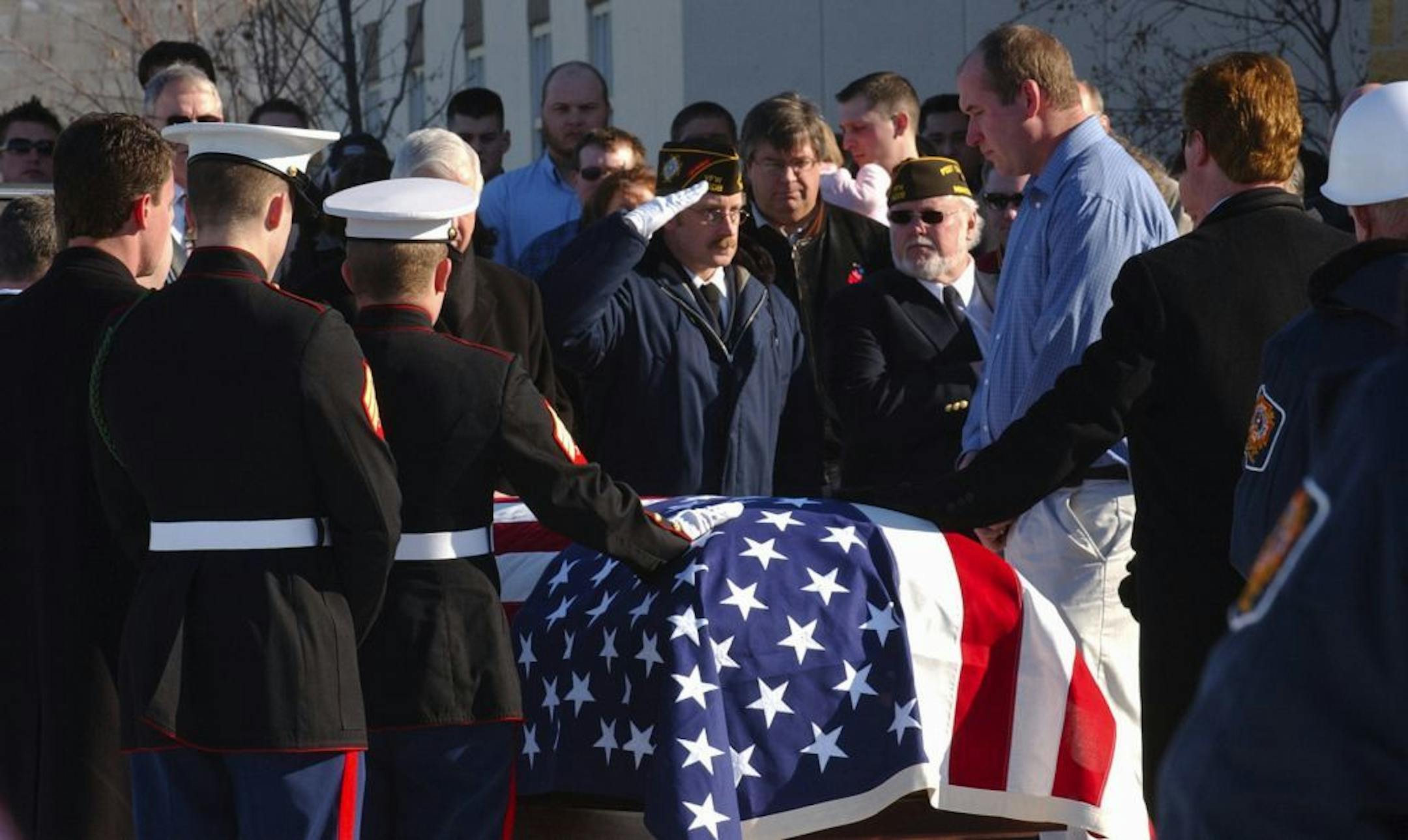
It's difficult to comprehend the physical pain and mental anguish that Vietnam veteran Raymond Schwirtz must have endured in the years leading up to his suicide in 2011. And it's impossible to know whether better care from the Minneapolis Veterans Medical Center could have prevented his death.
What is disturbingly clear, though, is that the VA failed to follow up on multiple warning signs because of an unacceptable lack of coordination among key caregivers, including the former manager responsible for keeping track of suicidal patients. As the Star Tribune's Mark Brunswick reported this week, the missteps are especially troubling because the VA has tried to bolster suicide prevention programs nationwide in response to estimates that nearly 1,000 vets in the system try to commit suicide every month.
Schwirtz, a 57-year-old former Marine, suffered from multiple sclerosis, depression, chronic pain, diminished vision, and bowel and bladder problems. In 2010, he lost his wheelchair-accessible van, home and belongings in a flood outside Hammond in southeastern Minnesota.
A few months later, he told a VA therapist in an MS support group that he was feeling depressed and hopeless, but that he would not harm himself. Just five days later he was brought to an emergency room at a private hospital, where he admitted that he had tried to cut his throat.
When a nurse at the VA asked about the wound during an exam two days later, Schwirtz confirmed the suicide attempt. He was admitted, and two staff members completed suicide assessments that described his risk level as "heightened."
During the 21 days of treatment that followed, Schwirtz received psychiatric medications and attended therapy sessions. His wife called the VA in June to schedule an annual physical, but by the time a case manager returned that call Schwirtz had died from burns suffered when he poured gas on himself and lit himself on fire in the garage of his abandoned home.
An investigation launched after the Schwirtz family contacted U.S. Rep. Tim Walz, D-Minn., found that the hospital failed to follow up with Schwirtz despite the risk warning noted by the two staff members after his first suicide attempt.
The former manager charged with tracking suicidal patients learned of Schwirtz's death two weeks after he died, and the head of mental health was unaware of his suicide until shortly before investigators from the VA Inspector General's Office arrived.


